




























Washington rescinded a designation in place since 1979, lifting severe economic restrictions and opening the door to private investment, as the US State Department also removed the terror designation from HTS, the group al-Sharaa led to topple Assad.
Interim President Ahmed al-Sharaa hailed Washington's decision to remove Syria from its list of state sponsors of terrorism, in another step toward major sanctions relief amid Damascus' efforts to rebuild the country after years of civil war.
 ADVERTISEMENT
ADVERTISEMENT
ADVERTISEMENT
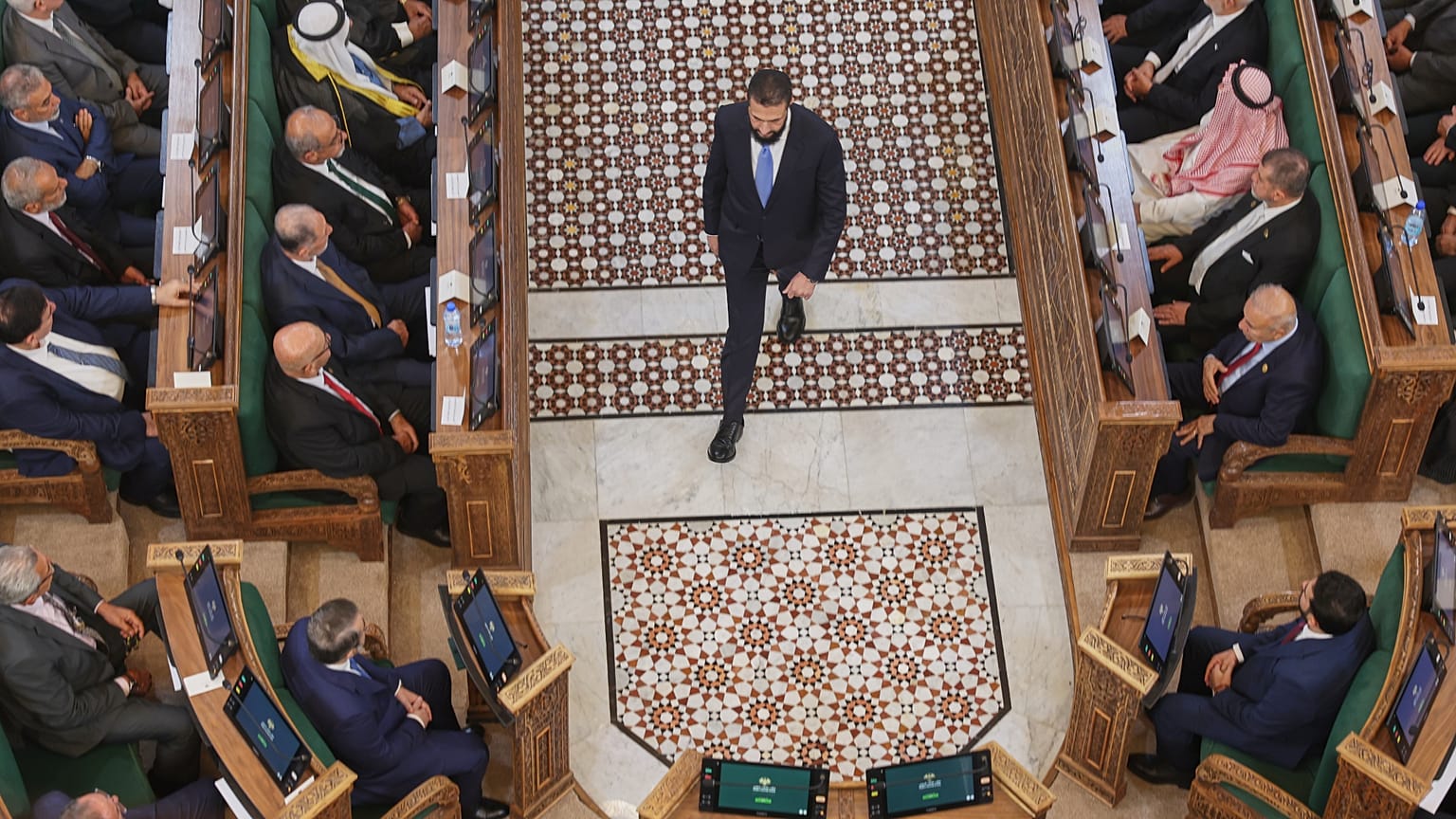
"Today, Syria shakes off a dark stain and tears away a painful chapter of its past to embark on a path of development, reconstruction and rebuilding," al-Sharaa said in a speech early Tuesday.
Washington's decision on Monday rescinded a decades-old designation that came with severe economic restrictions, marking another step in warming ties between the countries following the 2024 ouster of longtime Syrian dictator Bashar al-Assad.
The US Treasury Department announced corresponding sanctions relief.
Al-Sharaa expressed his "many thanks to the president of the United States of America, Donald Trump, and to all the friendly and supportive nations that stood by us".
The US Department of State also revoked its designation of the al-Nusra Front — later known as Hay'at Tahrir al-Sham (HTS) — as a global terrorist organisation. Al-Sharaa led the group which spearheaded the blitz offensive that toppled al-Assad.
It was formerly the branch of Al-Qaeda in Syria before breaking ties with it in 2016.
Syria's new authorities are trying to attract investment to support the country and rebuild its infrastructure, heavily damaged by more than a decade of civil war.
'A path of prosperity' ahead
Syria was first placed on the list in December 1979 — during President Jimmy Carter's administration — over al-Assad regime's support for Palestinian armed groups and its alliance with Tehran.
The designation carried a range of restrictions including bans on US foreign assistance and arms exports, controls on dual-use exports and limits on financial and commercial dealings.
The US had initially announced in July its intent to delist Syria as a state sponsor of terrorism, a move seen as a vote of confidence in al-Sharaa.
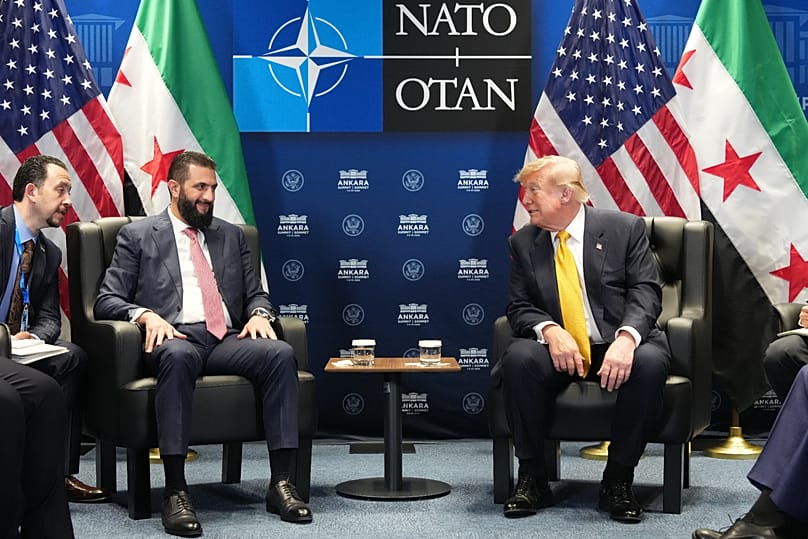
Al-Sharaa met Trump at the White House in November 2025 in a visit that accelerated the thaw between the two countries.
Monday's move gave Syria "a path to prosperity," according to US Secretary of State Marco Rubio.
The action "eliminates the final major barriers for private sector investment in Syria and promotes Syria's economic recovery and reintegration into the global economy," he said in a statement.
Syrian Foreign Minister Assad al-Shaibani described Washington's delisting as a "historic milestone" and said it reflected "the new Syrian state's commitment to international peace and security".
Finance Minister Mohammed Barnieh described the move as a "success for Syrian diplomacy," according to the official news agency SANA.
It "opens a major and long-awaited door to strengthening Syria's integration into the global economic and financial system, attracting investment and modern technologies, and supporting development opportunities".
The World Bank estimates direct physical damage to Syrian infrastructure at around $108 billion (€92.5bn), with total reconstruction needs of about $216 billion (€185bn) — roughly 10 times Syria's entire GDP in 2024.
More than a decade of civil war killed an estimated 500,000 people and displaced around half the country's pre-war population of 22 million, the majority of whom have not returned.
Following Syria's removal, Cuba, Iran and North Korea are the only three remaining countries on the US state sponsors of terrorism list.