















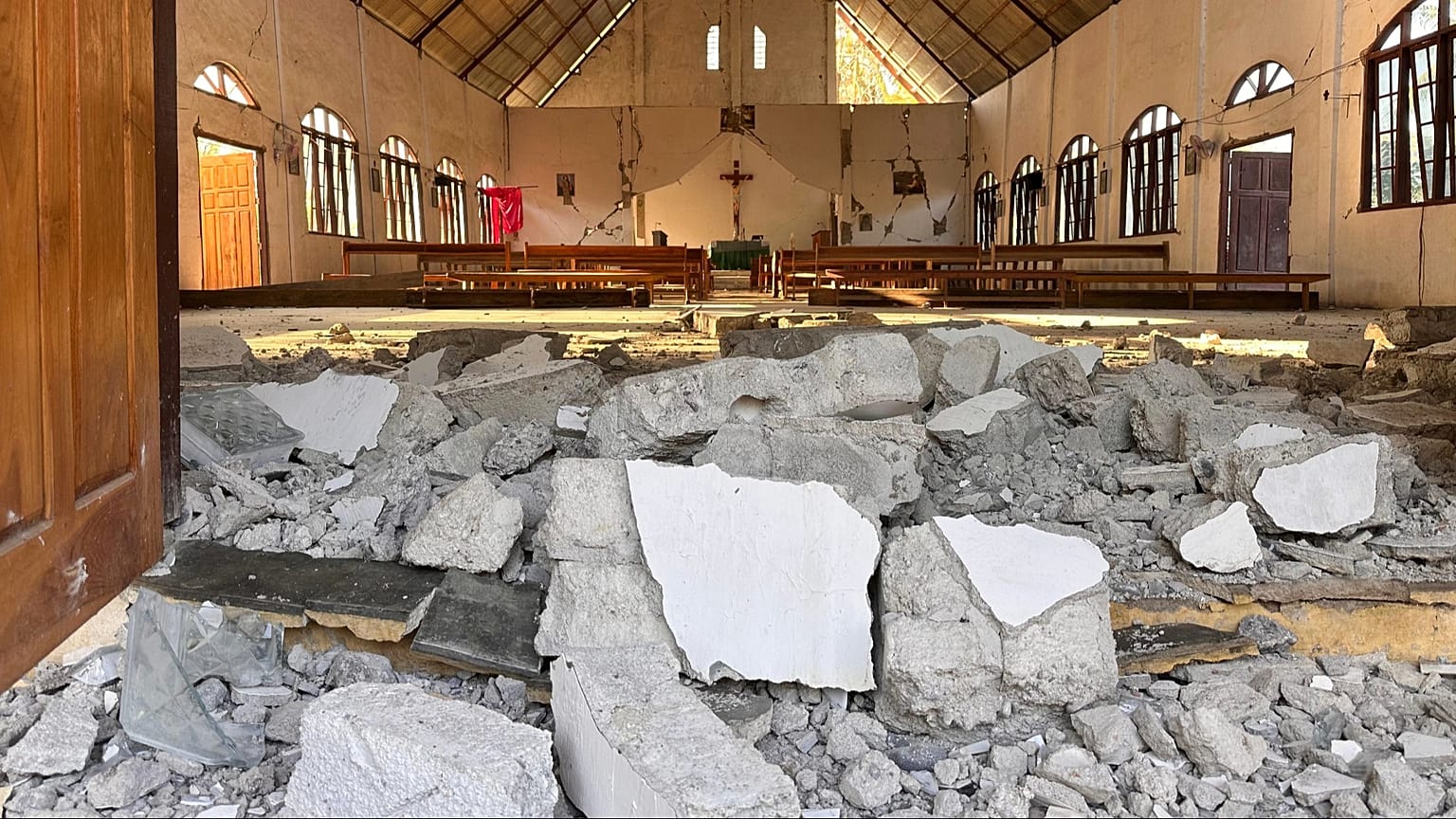













Granada, Colombia, Indonesia, Japan: in recent weeks earthquakes have hit many regions. The Andalusian Seismic Institute shares essential safety advice.
As with natural disasters such as the wildfires that ravage the Iberian Peninsula every summer, prevention is crucial to saving lives in high seismic intensity areas like the Granada Basin, in the central sector of the Eastern Betics.
 ADVERTISEMENT
ADVERTISEMENT
ADVERTISEMENT
That is the conclusion of the University of Granada institute dedicated to analysing this phenomenon, which has published a series of recommendations for both before and after an earthquake like the one that has just struck the province of Granada.
Experts advise having a plan in place so you are not improvising when a possible seismic episode occurs. At home you should have first-aid kits, torches, radios and spare batteries ready, and know where to shut off basic utilities, as a damaged power supply could cause further damage to buildings. Any heavy item that is not properly anchored to the wall may pose a danger.
Turning off the water, gas and electricity, not using the lift, moving away from windows or light fittings and staying calm are key to getting through a seismic event without serious harm.
During the quake, you should remain calm: statistically, it is likely to be an event without enough magnitude to pose a threat to life. This is important because many accidents occur when people try to leave or enter buildings during earthquakes. You must wait until the shaking stops before deciding whether to move from where you are.
Indoors, the most important thing is to protect your head: if the shaking is strong, seek shelter under tables or chairs, for example. You should stay away from objects, walls or windows that could injure you while the episode is under way.
If you are outside, move away from buildings and do not enter any of them: further aftershocks could end up damaging them completely. If you are driving when the tremor occurs, stop where traffic conditions allow and stay inside the vehicle. If you are in a place near the coast, head for a more distant, higher area and pay attention to messages from the authorities: a warning for a tsunami could be issued.
When the phenomenon ends, if you consider it safer to leave the building, never use the lift and take the stairs. The state of any cracks in the structure will indicate how serious the situation is. If they are more than 3 millimetres wide and follow a diagonal or stepped pattern, the structure is at risk; do not enter, or leave as soon as you can, calmly.
Once you have moved away from the immediate area and are in a place where rubble or debris cannot fall on you, you should check whether the building remains upright or has tilted in relation to neighbouring structures, whether the pavement in front of it shows damage, and the condition of nearby lamp posts.
Next, examine the façade to check for possible cracks: the most dangerous are diagonal and between one and three millimetres wide. If they are less than one millimetre, this usually means minor damage and you could enter the interior with caution.
You should not make calls that are not emergencies, so as not to overload telephone lines and leave someone who truly needs help without coverage. If you hear someone trapped under the rubble, you should tell them to cover their mouth and nose to avoid inhaling dust and, as far as possible, to bang on a nearby object to indicate their position. If you see someone who is seriously injured but not trapped, you should not move them until the authorities arrive.