
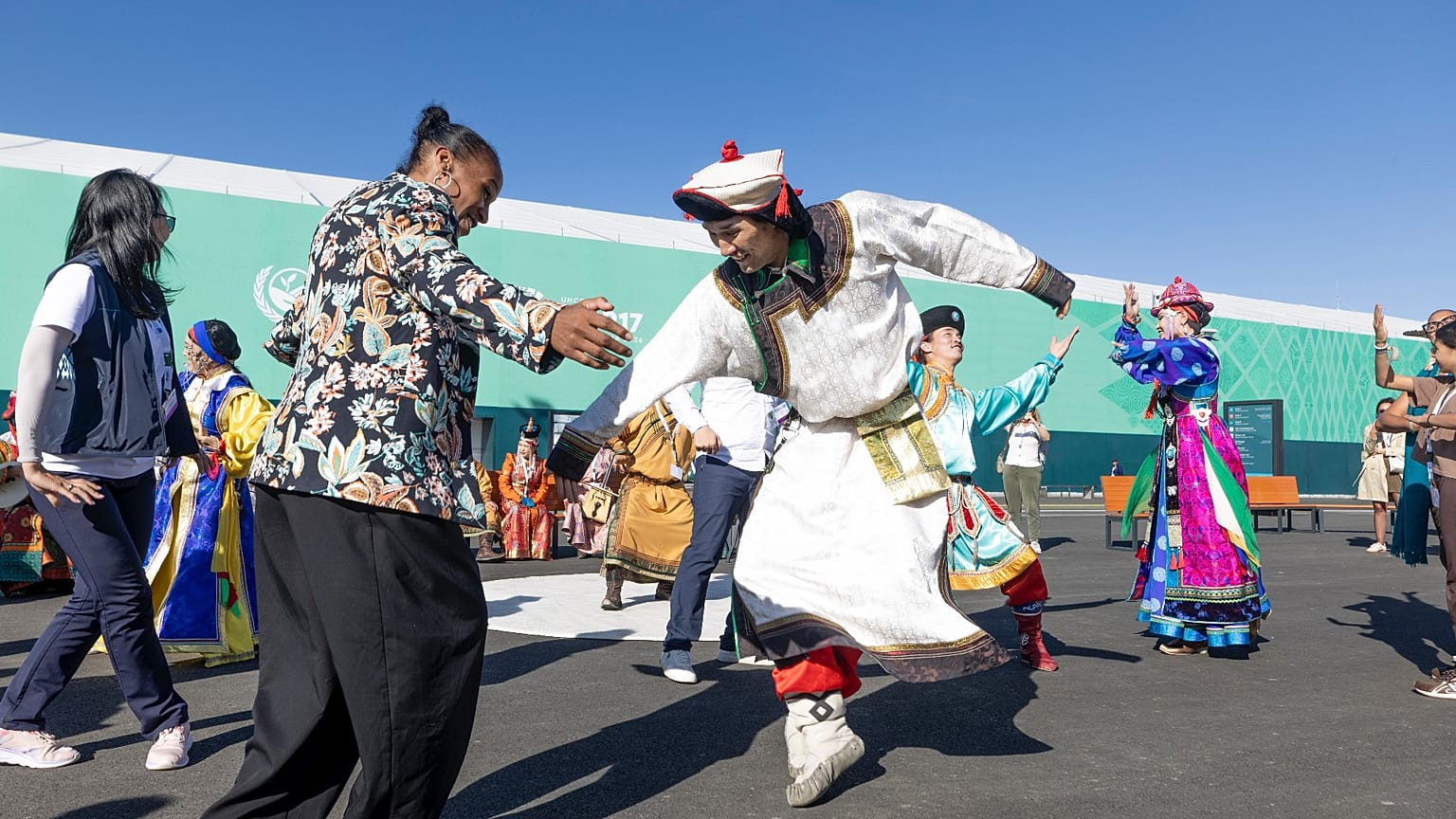













Hosting the UN’s land conference in Ulaanbaatar gave Mongolia an opportunity to demonstrate its organising capacity and put the future of rangelands and pastoral communities at the centre of international attention.
 ADVERTISEMENT
For Mongolia, land is inseparable from daily life. It sustains herding families, supports food production and carries a cultural inheritance shaped by generations of movement across the steppe. Bringing the world’s land conference to Ulaanbaatar gave those experiences an international platform.
From 17 to 28 August 2026, Mongolia hosted the seventeenth Conference of the Parties to the United Nations Convention to Combat Desertification, known as UNCCD COP17. Delegates from the Convention’s 197 Parties joined representatives of business, science and civil society under the theme “Restoring Land. Restoring Hope.”
The gathering marked a milestone for the country: Mongolia became the first host of a UNCCD COP in East and Central Asia. For the government, it was an opportunity to connect the demands of organising a major multilateral conference with an issue of direct national importance. Nearly 77 per cent of Mongolia’s land is degraded, according to UNDP, placing pressure on livelihoods, ecosystems and the country’s pastoral heritage.
A national effort with international reach
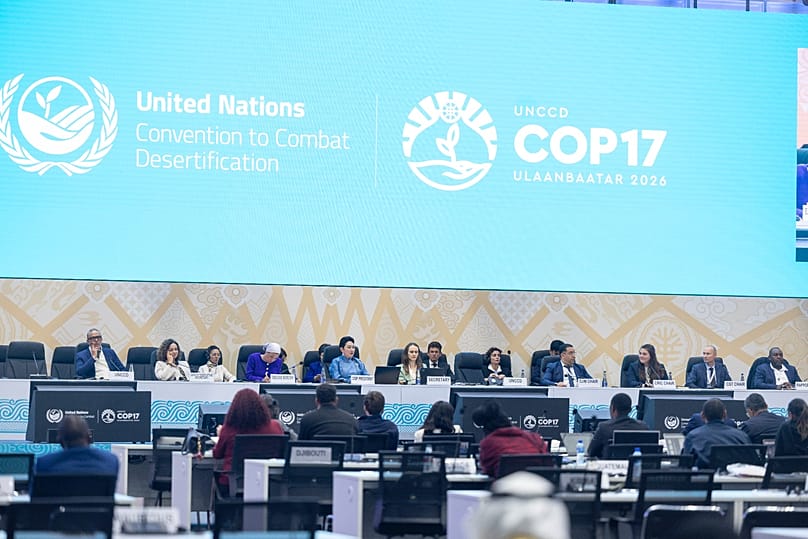
Hosting a conference of this scale requires coordination across government, international organisations, local partners and the people supporting delegates throughout their stay.
The organising effort extended beyond the negotiating rooms. UNDP’s support included more than 400 UN Volunteers working alongside the National Organizing Committee, the Mongolian Red Cross and other partners across logistics, communications and delegate services. Their involvement also created opportunities to develop skills and experience that can serve future events.
Translating this high-level ambition into a seamless reality required unprecedented logistical coordination. At the core of organizing the event in Mongolia was Batbayar Shurenchuluun, State Secretary of the Ministry of Environment and Climate Change. As part of the National Organizing Committee and the primary public servant spearheading the on-the-ground execution of the conference, he united domestic agencies, NGOs, and the massive volunteer force to accommodate over 10,000 delegates—twice the number initially expected.
"Hosting a multilateral gathering of this magnitude was a profound test of our national capacity and public service," State Secretary Batbayar noted. "The extraordinary dedication of our local partners, institutions, and volunteers created the vital, stable foundation needed to facilitate the complex international negotiations that followed."
By effectively translating international dialogue into actionable frameworks, the conference yielded concrete results—securing multi-billion dollar financial pledges and establishing targeted initiatives that will drive sustainable land management and herder resilience for decades to come.
The ambition of these global initiatives mirrored Mongolia's own domestic commitments. As a National Policy Advocate during the COP17 thematic sessions, State Secretary Batbayar officially presented Mongolia's domestic conservation strategies to the international community. He detailed the country's proactive goal to build a long-term foundation for natural conservation by placing 30 per cent of its total territory under state special protection by 2030, with a further ambition to increase this to 35 per cent by 2050.
The diplomatic task was equally demanding. Governments arrived with different priorities and expectations. Mongolia’s presidency supported negotiations through high-level consultations, helping create the conditions for 34 decisions to be adopted, including on rangelands, land tenure, sand and dust storms, and resource mobilisation.
That achievement gives the hosting story substance: Ulaanbaatar provided a setting in which countries could continue working towards shared responses to land degradation despite difficult negotiations.
Bringing the world’s rangelands into focus
Mongolia’s clearest contribution was to elevate an issue rooted in its own experience.
Rangelands cover approximately 54 per cent of the world’s terrestrial surface and support around 500 million pastoralists. Their condition has implications for food production, biodiversity and the resilience of communities far beyond Mongolia.
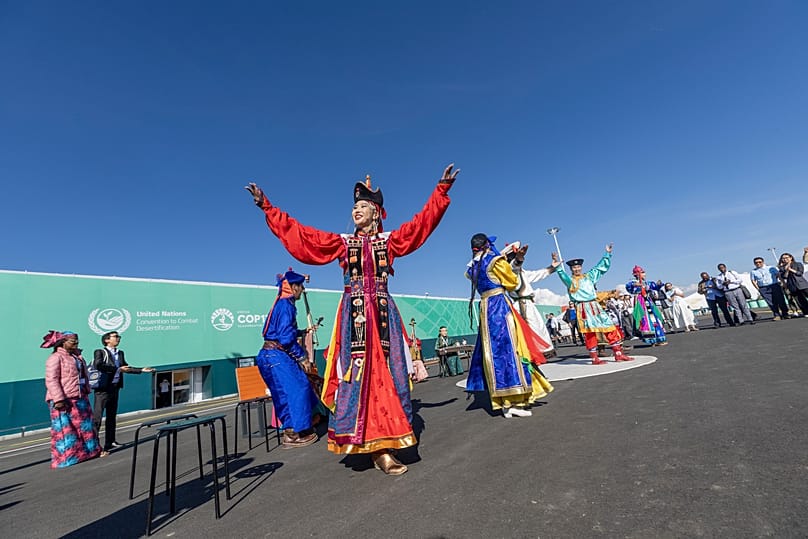
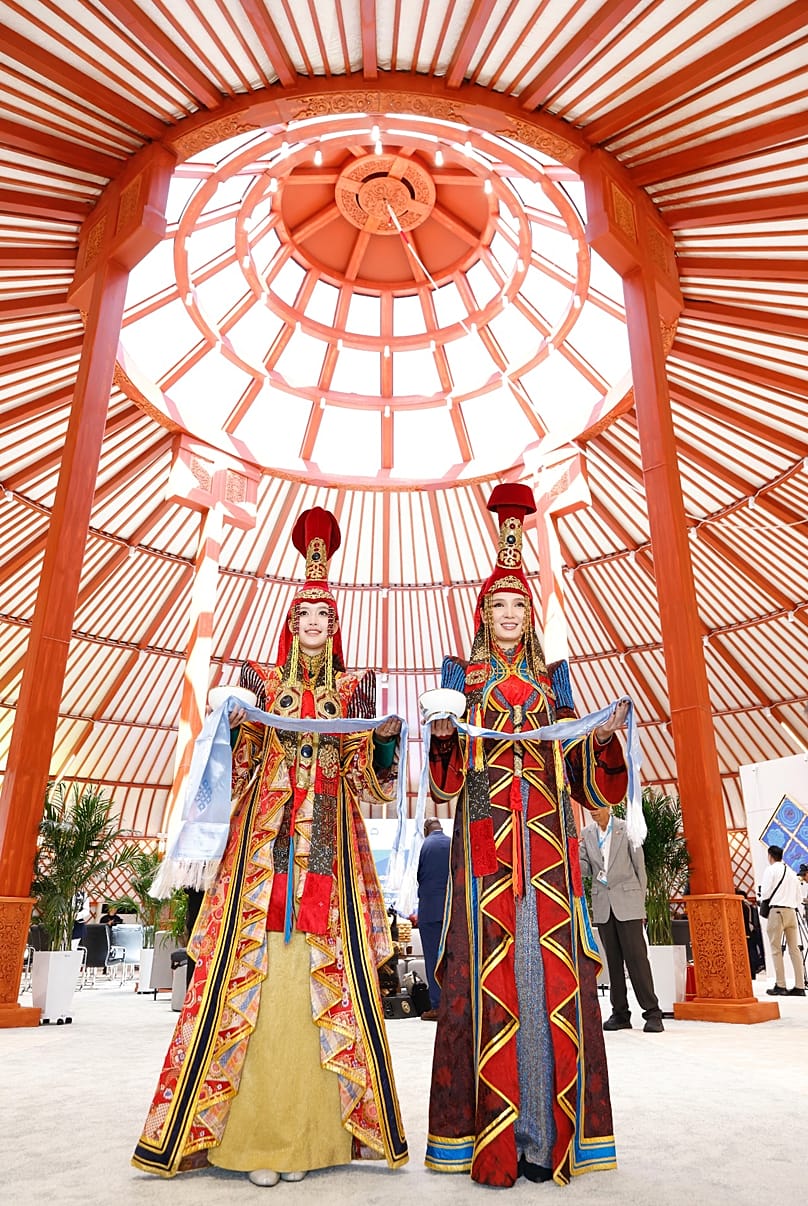
COP17 took place during the International Year of Rangelands and Pastoralists, an initiative championed by Mongolia. Hosting the conference brought that international recognition into a country where pastoralism remains integral to livelihoods and national identity.
The decisions adopted in Ulaanbaatar encouraged stronger policies for the sustainable management, conservation and restoration of rangelands, alongside improved tenure security. The conference also saw the launch of the Rangelands Flagship Initiative, intended to increase investment in these landscapes.
For pastoral communities, this attention matters because the future of land depends on the people who manage it. Their knowledge and experience are essential to designing responses that work locally.
Connecting ambition with investment
A lasting conference legacy also depends on the partnerships and projects it helps advance.
In its closing assessment, the Mongolian government highlighted a portfolio of 45 land restoration, rangeland and drought-resilience projects across 23 countries, valued at approximately $1.3 billion. The portfolio illustrates the potential to connect international discussions with practical investment opportunities. Its value represents a project pipeline; delivery will depend on financing and implementation.
Mongolia’s Steppe Action Agenda reinforced that emphasis, bringing together priorities including rangeland management, nature-based infrastructure and the relationship between land and water.
The conference left further work ahead. Negotiations on several issues, including drought, will continue at COP18 in Egypt in 2028. The partnerships advanced in Ulaanbaatar must now translate into benefits for communities and landscapes.
For Mongolia, COP17 established a platform for that next phase. The government brought countries together, supported negotiations and placed the experience of the steppe within a global conversation about resilience.
The world came to Ulaanbaatar. Mongolia’s opportunity now is to carry that momentum from the conference halls to the land.