












The Pentagon has added 188 Chinese companies to its military blacklist — its biggest ever expansion — in a move that targets household names far beyond the defence sector.
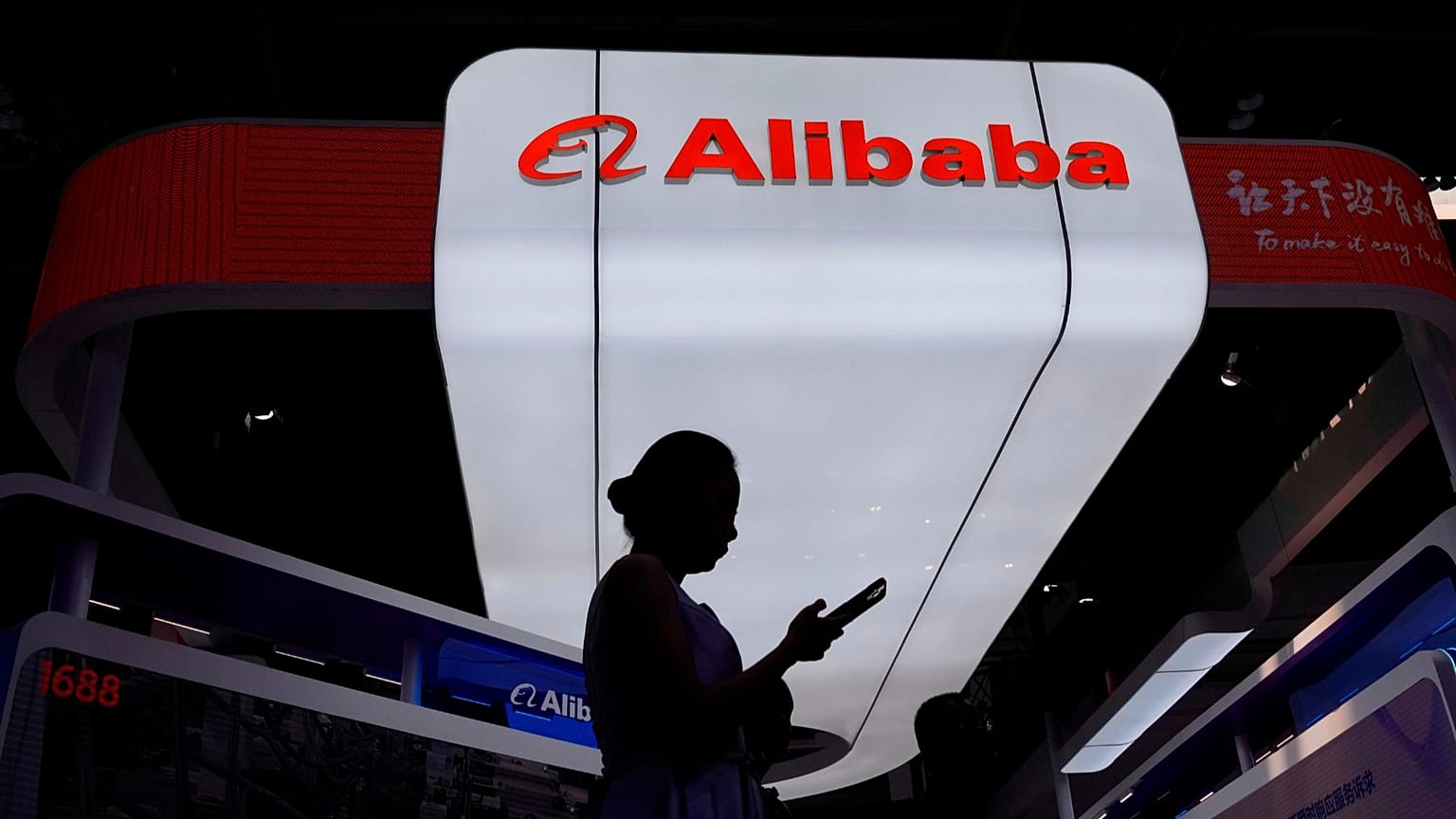
The Pentagon has added Alibaba, BYD and Baidu to its list of Chinese military companies, barring them from US defence contracts, considered a significant expansion of a designation that now reaches deep into China's civilian tech sector.
 ADVERTISEMENT
ADVERTISEMENT
ADVERTISEMENT
The list, updated and published Monday, has grown to 188 Chinese entities, up from 134 last year.
It now includes prominent non-state-owned companies not traditionally associated with defence or security, reflecting growing wariness in Washington of Beijing's strategy of tapping civilian businesses for military purposes.
Created in 2021 by a congressional mandate, the list identifies Chinese companies the Pentagon considers to have links to the Chinese military, not only those directly controlled by the military and security forces but also those contributing to the country's defence industrial base.
When updating the list last year, the Pentagon said the Chinese military sought to acquire advanced technologies and expertise developed by Chinese companies, universities and research programmes that "appear to be civilian entities."
What does it mean to be on the list?
A company on the list can still do business in the US but faces reputational damage and could be subject to further restrictions. The list already covered companies such as DJI, a major maker of consumer drones.
After the updated list was released, the House Select Committee on the Chinese Communist Party called it "a warning to American businesses, all levels of government, and the American people."
It said companies on the list that are publicly traded on US exchanges should be delisted and that no American company should do business with those named, "otherwise they are enabling China's military ascendance."
Why Alibaba, BYD and Baidu?
In naming Alibaba, the Pentagon said the tech giant helps boost China's defence industrial base because of its affiliation with the country's Ministry of Industry and Information Technology. Alibaba is traded on the New York Stock Exchange.
The Pentagon said BYD and Baidu are affiliated with the same ministry, which oversees China's technology and industrial policies.
Alibaba and Baidu both pushed back. "Alibaba is not a Chinese military company nor part of any military-civil fusion strategy," the e-commerce giant said in a statement.
Baidu, which has expanded into artificial intelligence and self-driving taxis, said the suggestion it is a military company is "entirely baseless."
US President Donald Trump said in January he would welcome Chinese carmakers such as BYD if they built plants in the US and hired American workers — though a number of lawmakers have said they will seek a ban on Chinese electric vehicles.
Dancing robots and diplomatic fury
Among the other additions is Chinese robotics company Unitree, whose dancing robots impressed Simon Cowell on NBC's America's Got Talent.
The Pentagon said the company "knowingly received assistance" from the Chinese government through its designation as a small or medium-sized enterprise that is highly innovative, globally competitive and critical to the country's supply chain.
Beijing reacted sharply. The Chinese Embassy accused the US of "overstretching the concept of national security and making discriminatory lists to go after Chinese companies," adding that Chinese companies observe the laws and regulations of the countries where they operate.
"The US should stop its wrong practice and create a fair, just and non-discriminatory environment for Chinese companies," the embassy said.