





























The number of confirmed cases in the Kent meningitis B outbreak has fallen to 29 following laboratory reclassification, according to United Kingdom health authorities.
The number of cases of the meningitis outbreak in Kent, United Kingdom, has dropped to 29 from the 34 cases reported on Saturday, according to the latest update from the UK Health Security Agency (UKHSA).
 ADVERTISEMENT
ADVERTISEMENT
ADVERTISEMENT
The number of confirmed deaths remains at two: a 21-year-old student at the University of Kent and a sixth-form pupil from nearby Faversham.
“Some cases initially classified as confirmed cases have been reclassified following further laboratory results and clinical investigation,” the agency said on Sunday.
As further laboratory assessments are completed, the UKHSA said it expects more probable cases to be downgraded in the coming days.
“We continue to remain vigilant for new cases and work closely with NHS (National Health Service) England and local authorities across the country, to ensure that any new cases identified are responded to as quickly as possible,” said Sherine Thomas, infectious diseases consultant at UKHSA.
The outbreak has been linked to a local nightclub in Canterbury, in southeast England, where one staff member is suspected of having meningitis B (MenB).
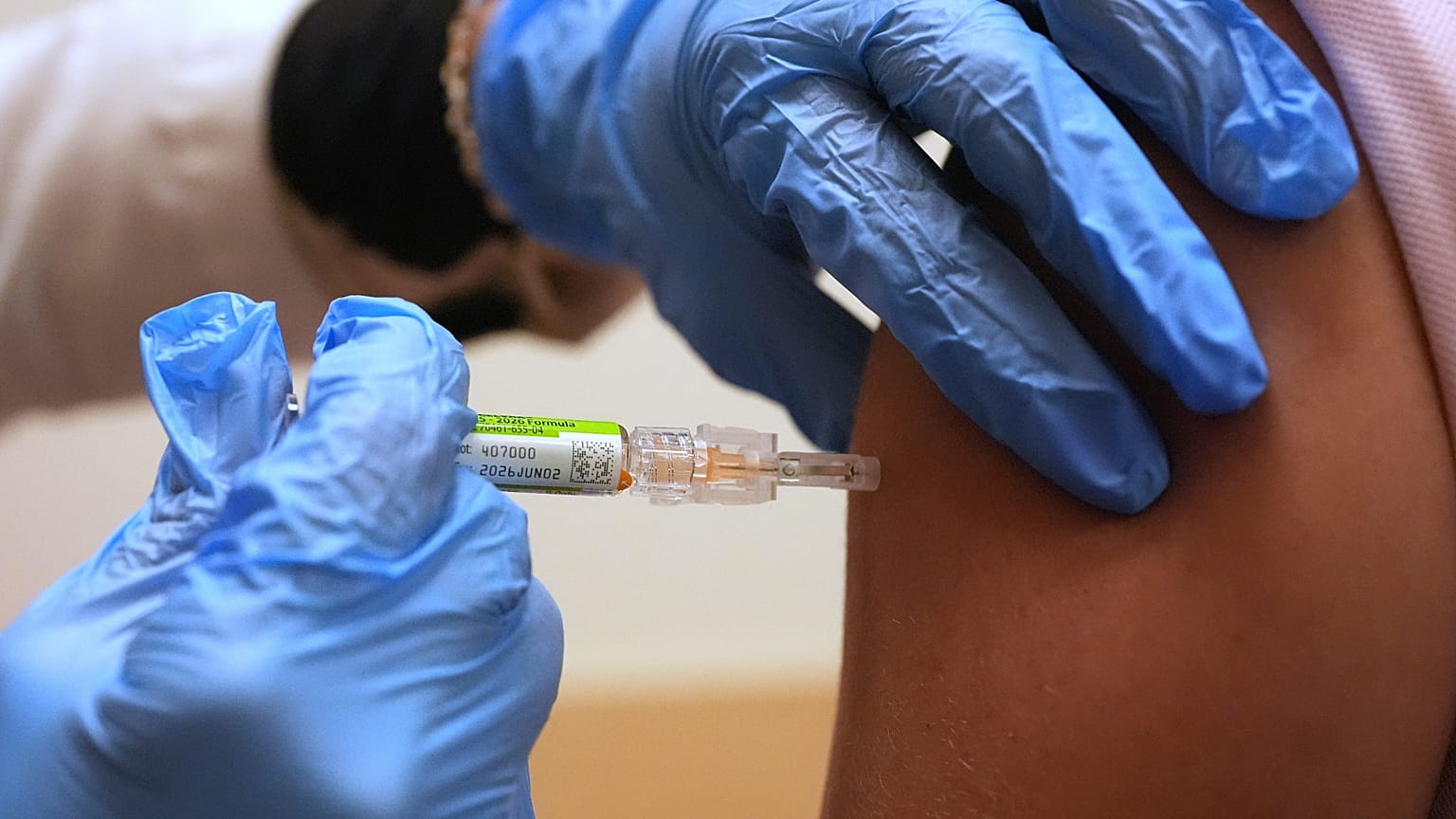
The university staff have been handing out face masks and antibiotics. The government has also announced that students will now be offered the meningitis B vaccine.
While vaccination offers the best longer-term protection for those affected by this outbreak, taking preventive antibiotics is the most important immediate action, the health agency recommends.
Eligible University of Kent students who have returned home can now access both vaccination and preventative antibiotics from their local general practitioner.
“It’s reassuring to have seen so many eligible young people come forward for antibiotics and vaccination, and we’d like to thank everyone involved in this effort so far,” said Thomas.
She added that, while the risk to the wider population remains low, it is still important that people recognise the symptoms of invasive meningococcal disease and seek immediate medical attention if they or anyone they know develops them.
Meningitis is an infection that inflames the membranes surrounding the brain and spinal cord, known as the meninges.
The recent outbreak is due to meningitis B, a bacterial strain of the disease, that tends to be more severe than viral forms. Meningitis can spread through close contact, such as coughing, kissing, or sharing utensils.
Routine vaccination against MenB for babies and young children in the UK was introduced in 2015. Children now receive the vaccine at their 8-week, 12-week, and 1-year appointments.
Children born before 1 May 2015 are not eligible for the MenB vaccine unless they are in a clinical risk group.
The European Centre for Disease Prevention and Control (ECDC) has assessed the risk to the general population in the European Union and European Economic Area (EU/EEA) as very low due to the very small probability of exposure and infection.