




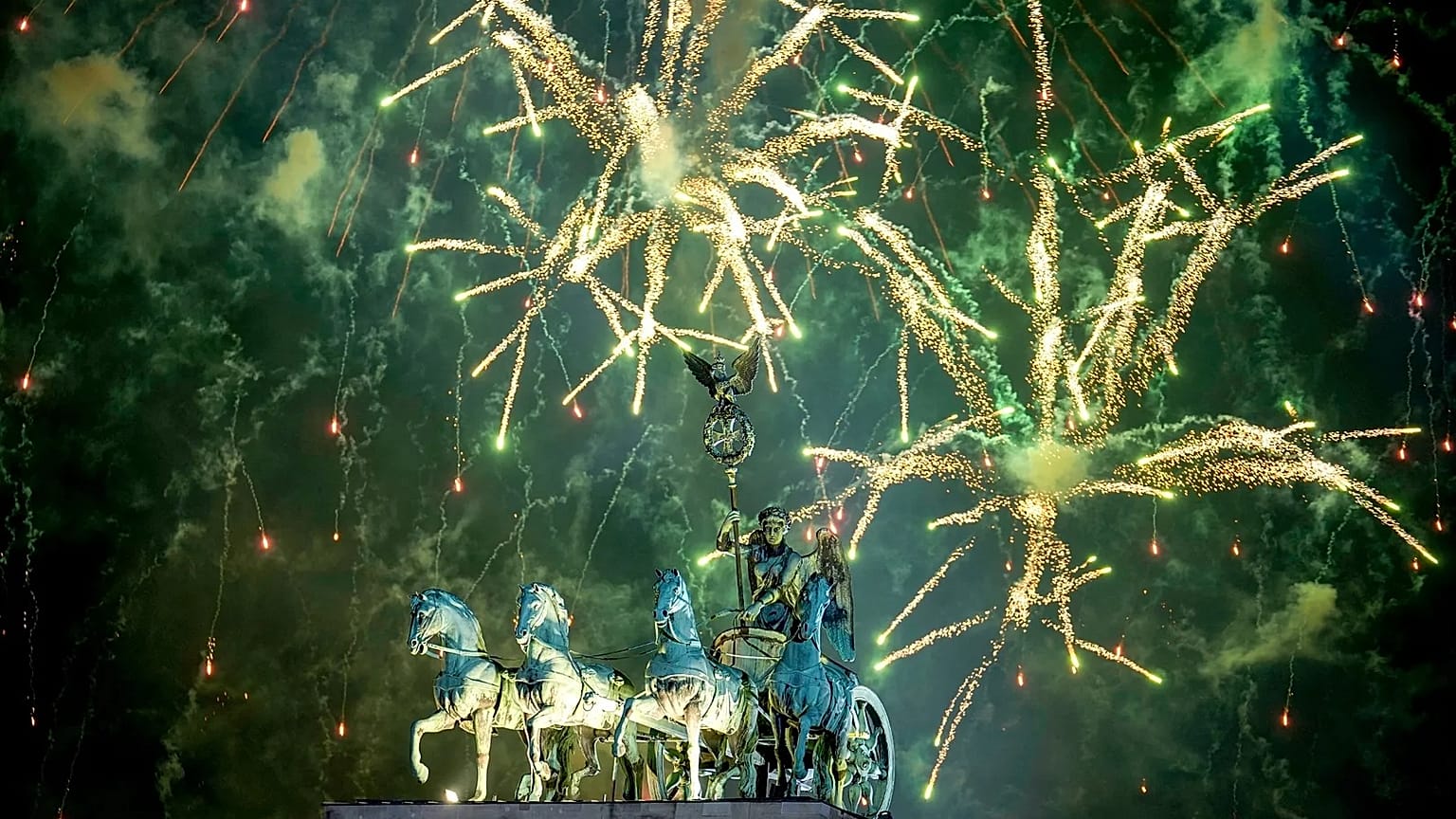














Many Germans still love setting off their home-made fireworks on New Year's Eve but opposition to the practice is growing. Experts are now calling for a cultural shift as the fireworks debate reaches explosion point.
The year 2025 is drawing to a close and much like every New Year's Eve, midnight fireworks are a longstanding tradition in Germany.
 ADVERTISEMENT
ADVERTISEMENT
ADVERTISEMENT
But the longstanding annual tradition is increasingly being met with criticism, sparked by destruction to city centres, fingers and hands blown off and even fatalities.
Last New Year's Eve, five people lost their lives due to injuries caused by fireworks or accidental explosions and hundreds more were hurt.
The German Medical Association, the German Ophthalmological Society, and regional medical bodies have repeatedly warned that eye and ear injuries rise every year at this time.
The German Red Cross has also highlighted the immense pressure on emergency services over the New Year period.
Furthermore, firecrackers and the loud bangs associated with them can be traumatising for animals and people who have lived through war.
"For many affected, firecrackers and fireworks are not a harmless tradition, but a huge source of stress," explains Andreas Eggert, Deputy Federal Chairman of the German Veterans' Association.
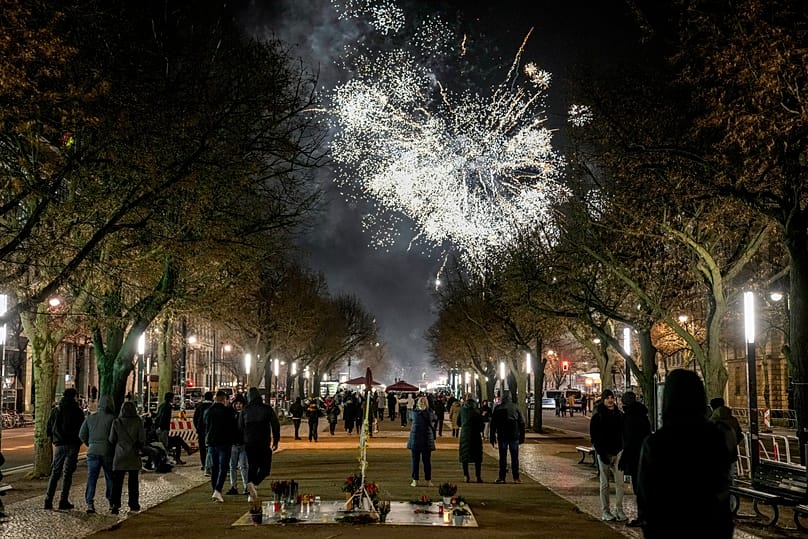
When fireworks trigger memories
According to Eggert, sudden, loud bangs can bring back traumatic memories from military deployments. The effects can include sudden anxiety, panic attacks, dissociation, or physical stress symptoms.
"What makes it particularly distressing is that these reactions cannot be controlled at will. For many veterans, New Year's Eve becomes a time of fear rather than celebration," Eggert told Euronews.
The result: many retreat. "Some leave their homes – or even town – while others barricade themselves in, wear ear protection, or try to get through the night with medication," Eggert explained, adding that crisis interventions, emergency calls and psychological relapses often rise at this time.
But the burden is not just on the veterans themselves; families and relatives are affected too "as they are often left to deal with what those around them fail to consider."
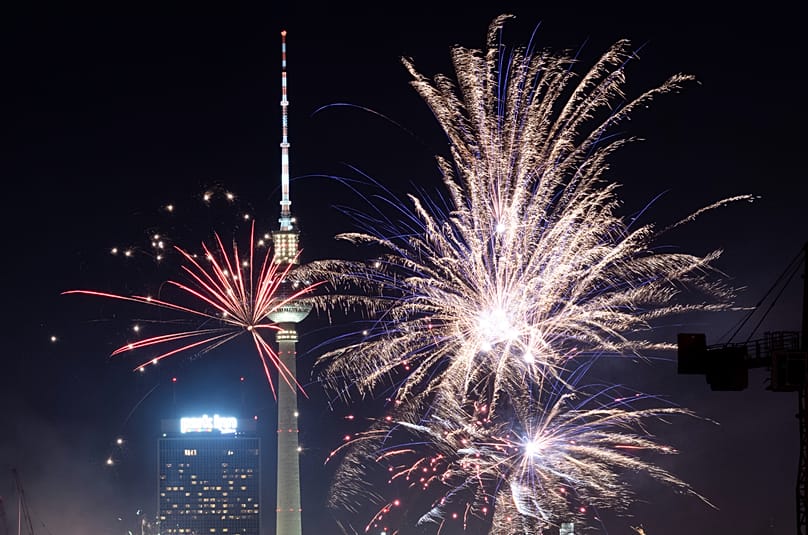
Eggert argues that change is needed on several levels. Socially, this means raising awareness and making people understand that mental illness is not a weakness and that certain triggers have real consequences. It also calls for serious political consideration of restrictions on private fireworks displays in terms of time or location.
Structurally, there is a need for reliable, easily accessible support services for those affected and their families, including outside traditional therapy hours. A cultural shift in perspective is also necessary, said Eggert.
"We need to move away from 'It's fine to do that' towards asking how much consideration a caring society is willing to show. Our concern is clear: it's not about banning fireworks outright, but about respect, responsibility, and protecting those who have already endured more than enough."
Many people who have fled to Germany from Ukraine, Syria, Afghanistan or other war zones are also affected. They regard the New Year's Eve fireworks as reminiscent of bombs and shelling. Partly for these reasons, a ban on fireworks was once again called for this year.
More than 2.4 million people have signed the petition Nationwide ban on firecrackers, now! from the Berlin Police Union.
Debate over fireworks ban
Nationwide, about 69% of Germans consider New Year's Eve fireworks an essential part of the celebrations, while a portion of the population supports restrictions or outright bans, according to an Ipsos study.
However, a survey commissioned by the Berlin public broadcaster RBB shows that roughly three-quarters of Berliners would like to see private New Year's Eve fireworks banned. Only about one in five are opposed.
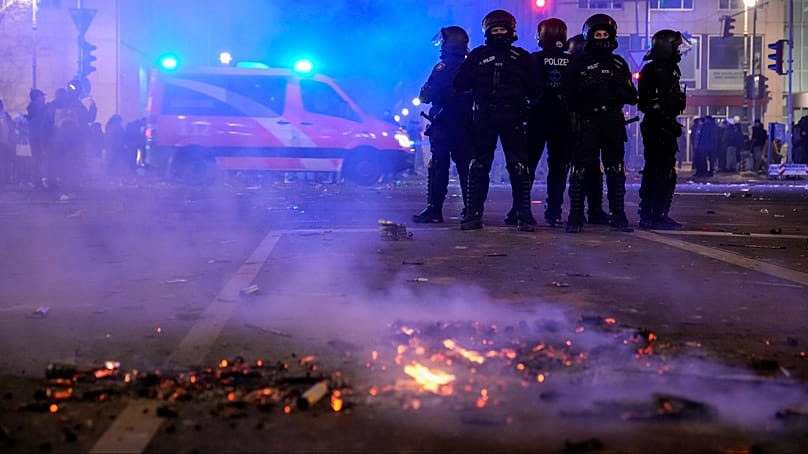
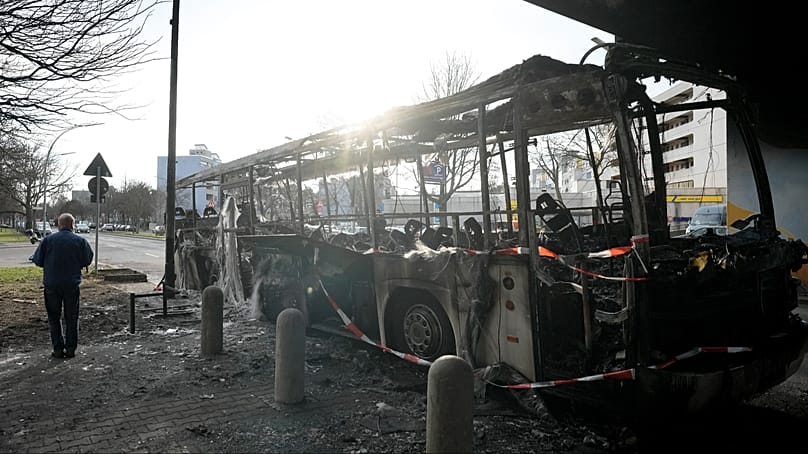
Last year, at least 15 police officers were injured on New Year's Eve in Berlin, several of them directly by fireworks.
Police reports indicate that around 390 people were arrested. Alongside traditional firecrackers, so-called "firework shells" were the main cause of serious injuries and damage in the capital.
These illegal explosive devices are not authorised for private use, as they explode far more powerfully than regular fireworks and can cause injuries to children, damage to cars and buildings, and even render homes uninhabitable.
Regulation in sight?
In an interview with the German press agency dpa, Berlin Mayor Kai Wegener said that "anyone who causes a disturbance and commits criminal offences will be dealt with firmly under the law."
"It's important to us that everyone can celebrate happily and enjoy themselves. But if offences occur, the police will act decisively and robustly, as they have in previous years," he said.
In December, the Federal Ministry of the Interior announced that it was exploring ways to impose stricter regulations on private New Year's Eve fireworks, for example through changes to the Explosives Act or related ordinances. A nationwide ban on fireworks, however, has not yet been decided.
Nevertheless, the government is in discussions with the federal states, as shown in the response given by Parliamentary State Secretary Christoph de Vries to a question from the Greens.
The fact that the government has not yet implemented a nationwide ban on firecrackers is, in the Association of German Veterans' view, "disappointing, but unfortunately not surprising."
Eggert added that the annual debates disillusion him. "Petitions and appeals are launched shortly before New Year's Eve, there is public attention and expressions of concern – only for everything to fizzle out again without any concrete consequences," he said.
This leaves many veterans feeling that their struggles are acknowledged but not taken seriously, Eggert concluded.