






























By Leonardo Benassatto
 ADVERTISEMENT
ADVERTISEMENT
ADVERTISEMENT
SAO PAULO - Brazilian researchers have found that a molecule in the venom of a type of snake inhibited coronavirus reproduction in monkey cells, a possible first step toward a drug to combat the virus causing COVID-19.
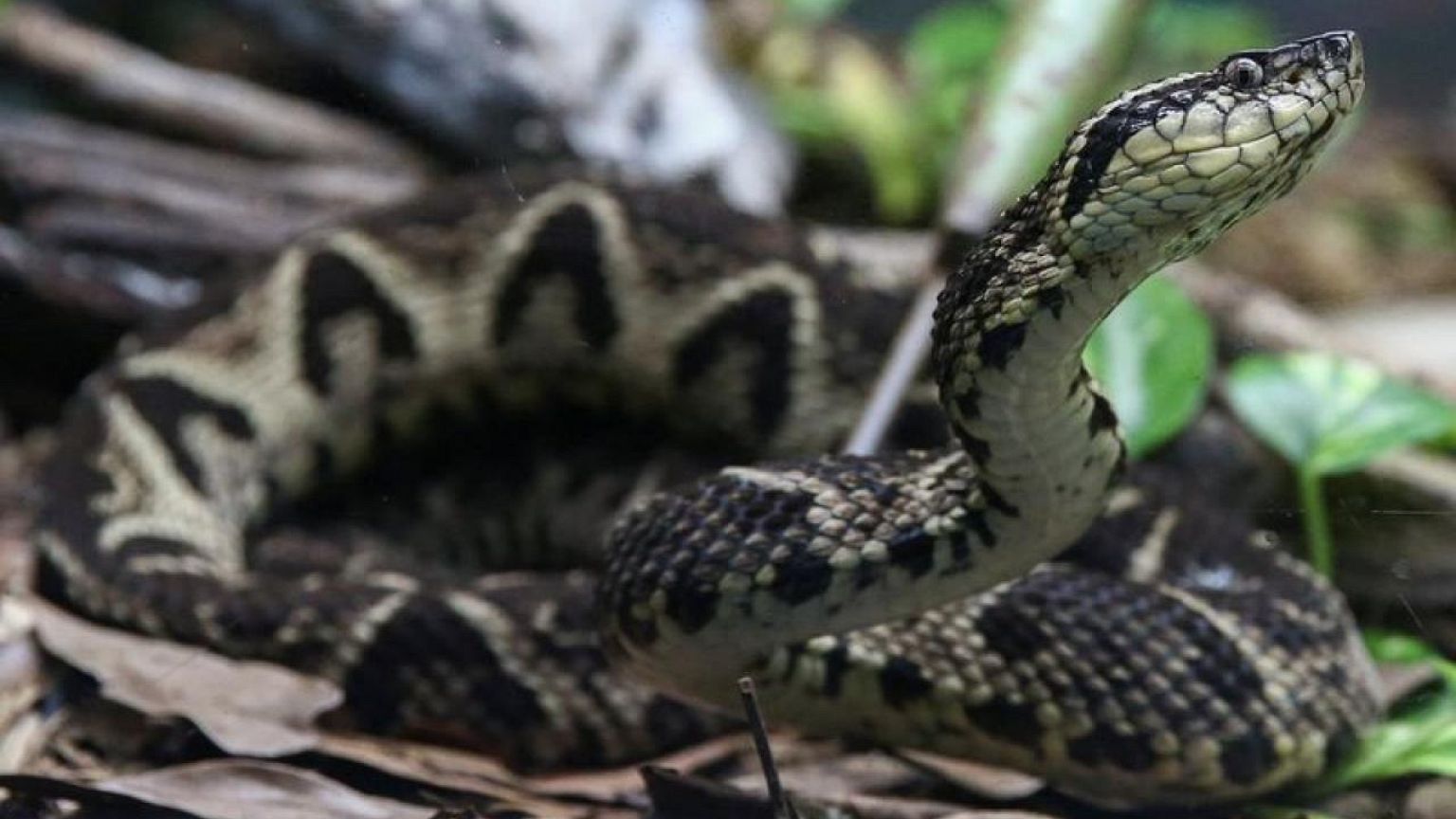
A study published in the scientific journal Molecules this month found that the molecule produced by the jararacussu pit viper inhibited the virus's ability to multiply in monkey cells by 75%.
"We were able to show this component of snake venom was able to inhibit a very important protein from the virus," said Rafael Guido, a University of Sao Paulo professor and an author of the study.
The molecule is a peptide, or chain of amino acids, that can connect to an enzyme of the coronavirus called PLPro, which is vital to reproduction of the virus, without hurting other cells.
Already known for its antibacterial qualities, the peptide can be synthesized in the laboratory, Guido said in an interview, making the capture or raising of the snakes unnecessary.
"We're wary about people going out to hunt the jararacussu around Brazil, thinking they're going to save the world ... That's not it!" said Giuseppe Puorto, a herpetologist running the Butantan Institute's biological collection in Sao Paulo. "It's not the venom itself that will cure the coronavirus."
Researchers will next evaluate the efficiency of different doses of the molecule and whether it is able to prevent the virus from entering cells in the first place, according to a statement from the State University of Sao Paulo (Unesp), which was also involved in the research.
They hope to test the substance in human cells but gave no timeline.
The jararacussu is one of the largest snakes in Brazil, measuring up to 6 feet (2 meters) long. It lives in the coastal Atlantic Forest and is also found in Bolivia, Paraguay, and Argentina.