



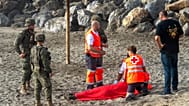













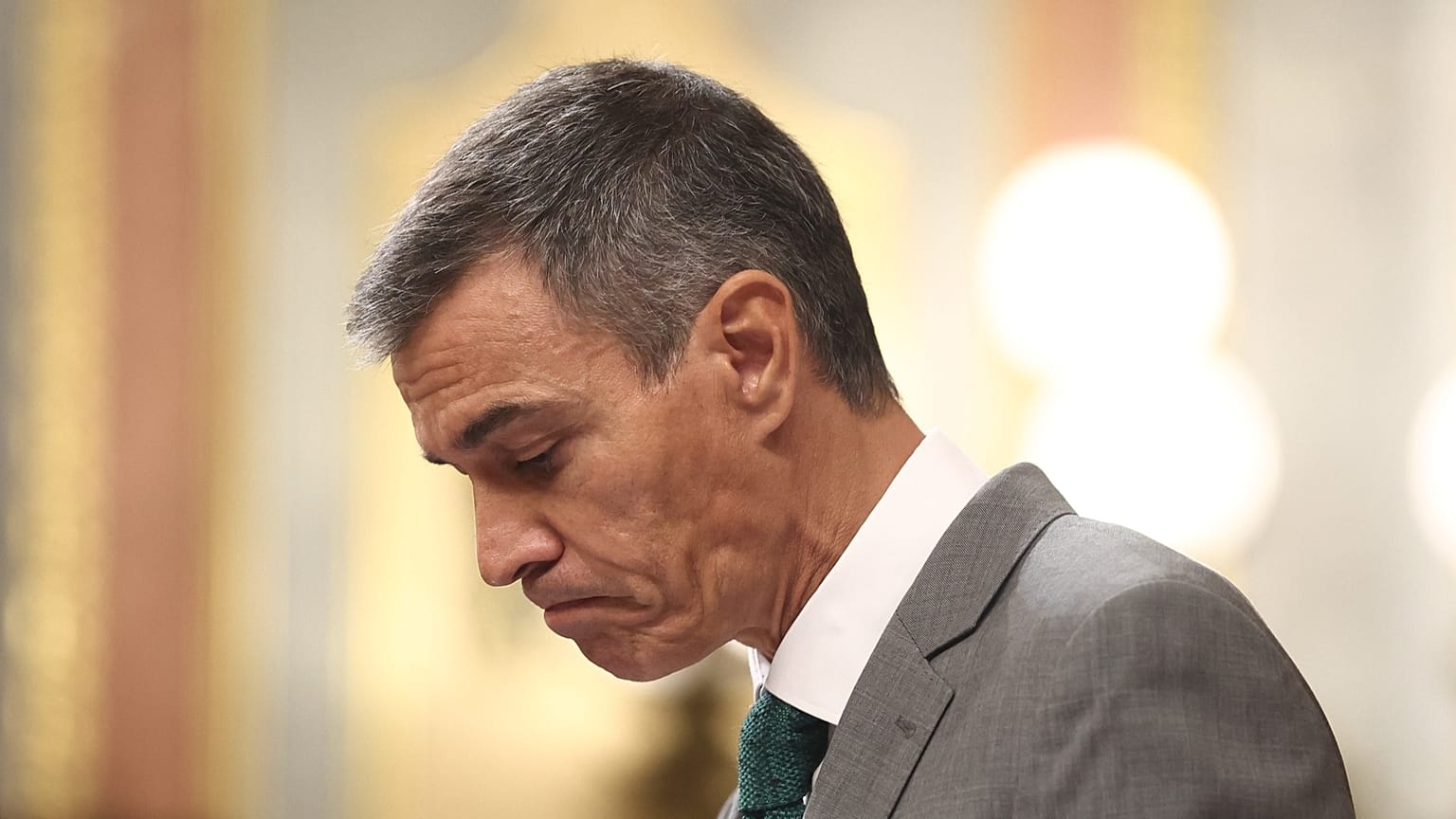













Sánchez pledged to publish all documents on the Ceuta crisis, while defending the swift action of officers and pointing to a surge in social media messaging influencing the mass crossing.
Spanish Prime Minister Pedro Sánchez told Congress the government has "nothing to hide" over the Ceuta crisis, announcing he had ordered the publication of a full dossier of documents for public scrutiny.
 ADVERTISEMENT
ADVERTISEMENT
ADVERTISEMENT
He backed officers who "chose to defend human life" during the mass crossing from Morocco in July, while blaming a surge of social media messages for fuelling the influx of migrants.
In an address lasting just over one hour, Sánchez said more than 90% of arrivals were returned within 72 hours, calling it "one of the fastest return processes in European history," and insisted no intelligence service had anticipated the crossing.
His speech follows a day of mass protests across Spain in mounting opposition and criticism over the government's handling of the crisis and Morocco's role in it.
"The Government has nothing to hide in this matter and I have ordered the publication of a dossier with all the documents so that the public can examine them. Absolute transparency and public access to all documents," Sanchez told Congress.
Sanchez told Congress that messages encouraging people to cross into Spain "filled" social media platforms in the run-up to July's events and that coincided with a marked rise in the number of migrants entering the country by sea.
Of the law enforcement agents who responded, Sánchez said: "Our officers had to make decisions in a matter of minutes. They chose to defend human life. We are very proud of that decision."
The prime minister went on to defend the wider government response, telling Congress that the situation had been brought under control within days.
"We reinforced the borders and prevented further entries. 72 hours later, more than 90% had returned," he said. He described the operation as "one of the fastest return processes in European history" and said the European Commission had recognised this.
Sanchez: You can't treat migrants like 'a sack of dirt'
Sánchez pushed back against suggestions that Spain should have acted more forcefully to remove migrants, stressing the government's legal obligations.
"Spain is a democracy. You can't grab a human being by the arm and throw them across the border like a sack of dirt," he told Congress. "There are laws and treaties that we are obligated to uphold," he added.
On the question of why the crisis was not foreseen, Sánchez was blunt: "No intelligence service anticipated the mass crossing."
He linked the government's response to a Supreme Court ruling on July 8, explaining that several measures were adopted in its wake.
"We increased maritime surveillance. We held meetings with Moroccan authorities to address the situation. This is what we did: react to the change," he said.
The prime minister acknowledged that significant questions remain unanswered about how the crisis unfolded.
"What is happening in Ceuta is much more complex and multifaceted," he told Congress.
Ceuta will remain Spanish 'until the end of time'
Sanchez said no police, legal or international institutions had submitted "solid proof to the government of Spain that Morocco planned or executed the incident".
"If this solid proof existed, we would act accordingly," said Sanchez.
Last month, Morocco's Justice Minister Abdellatif Ouahbi called for a "final solution" that would allow the territories to fall under Rabat's authority, and Sanchez took the opportunity on Thursday to inform lawmakers he had summoned Morocco's ambassador over the "unacceptable" comments.
Ceuta and Melilla share the European Union's only land borders with Africa and will remain Spanish "until the end of time", Sanchez said.
Sánchez appeared in the Congress of Deputies, at his own request, to report on the government's handling of the events and on the current situation in the autonomous city and urged the head of state, King Felipe VI, to visit the enclave.
The incident has also sparked an intense political debate over border control, the reception of migrants and Morocco's role in the crisis.
The opposition has demanded that the government explain the decisions taken since the start of the emergency and outline the measures planned to manage its consequences.
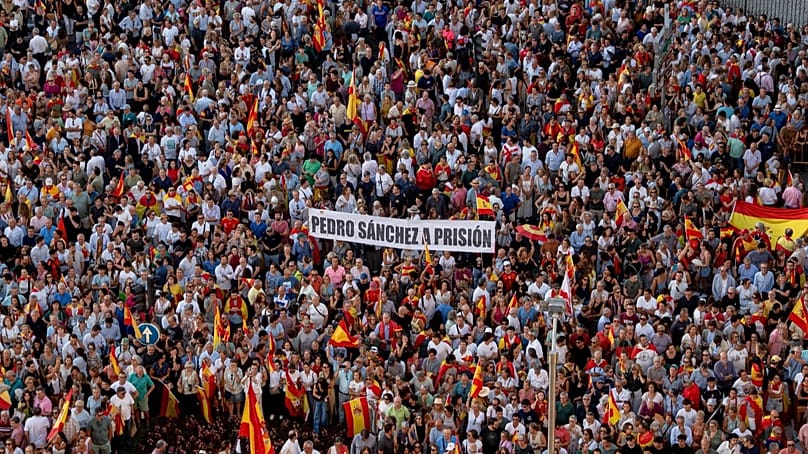
The address follows a day of massive demonstrations in numerous parts of Spain, including Madrid and Seville.
In the capital, the Government Delegation estimated the attendance at more than 50,000 people, while the City Council raised the figure to 150,000.
Although the demonstrations were mostly peaceful, the night ended with disturbances in the vicinity of the Congress of Deputies.