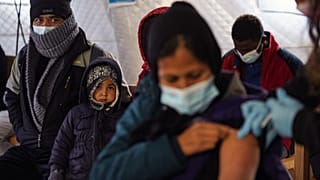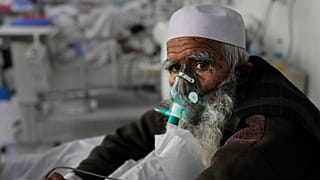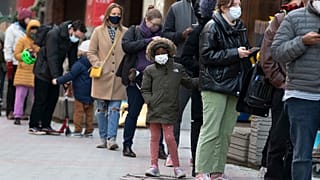
"To make better health a reality for refugees and migrants as for everyone else, we need an honest and transparent conversation with everyone represented at the table."
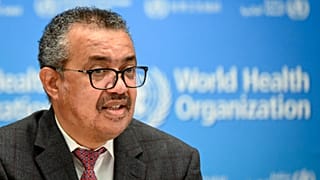
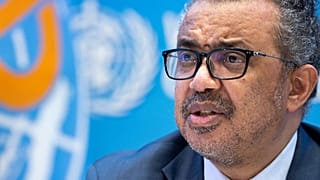
"Science gave us the tools to fight COVID-19; if they are shared globally in solidarity, we can end COVID-19 as a global health emergency this year," said the World Health Organization's chief.
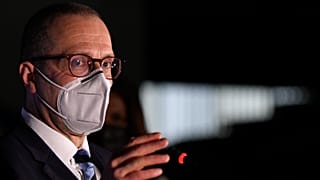
Europe could be moving towards a kind of pandemic endgame, said WHO's Europe director Hans Kluge. But, he added, it is too early to call COVID an endemic.
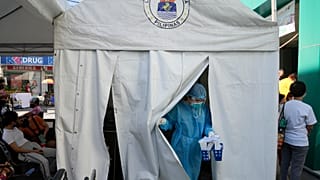
Two years into the pandemic, Omicron's effect on medical facilities has many reevaluating the resilience of public health systems that are considered essential to providing equal care.
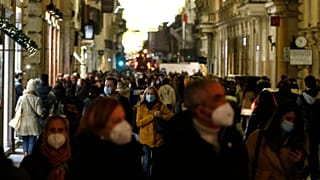
Omicron is "quickly becoming the dominant virus in western Europe and is now spreading in the Balkans", said Dr Hans Kluge, regional director for WHO Europe.
"An event cancelled is better than a life cancelled," Tedros Adhanom Ghebreyesus said on Monday, highlighting data suggesting Omicron spreads "significantly faster" than the Delta variant.
Testing strategies for COVID-19 vary widely between different countries and aren't a good measure of population immunity, writes Professor David Heymann, formerly of the World Health Organization, Public Health England, and Centers for Disease Control and Prevention.
The World Health Organization said that the new Omicron COVID-19 variant appears to spread faster than current variants and that vaccines could be less effective against it.
"We have very effective vaccines that have proven to be effective against all variants so far, in terms of severity of disease and hospitalisation, and there is no reason to think that this would not be the case with Omicron," said WHO emergency manager.