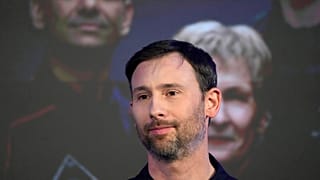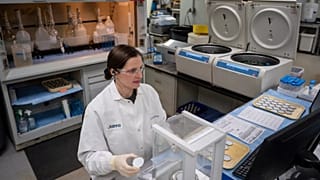
John Martinis tells Euronews the new generation of researchers has the potential to accelerate the quantum revolution, as long as there is collaboration, consistency and awareness of the complexity of the task.
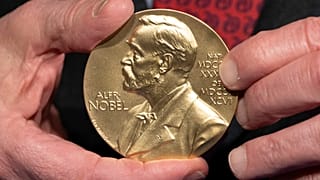
Not everyone will get to win a Nobel Prize. However, there’s the next best thing: the Ig Nobel Prize, which highlights unusual scientific research that provides both laughter and insight. Here are this year’s winners.
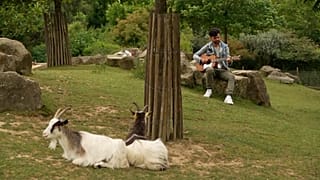
On this day, 80 years ago, a farmer beheaded a chicken in Colorado, US. Hold the press! However, the strange thing is that the animal refused to die. The bird became known as Mike, and he survived for longer than you may think. How, why, and what of it? Here’s everything you need to know.
From underwater archaeology to whale-watching tours led by actual scientists, Europe’s Atlantic islands demonstrate how tourism can protect rather than destroy natural and cultural heritage of the ocean.
In the Atlantic’s remote islands, a new EU project is helping reinvent marine tourism. Researcher Dr. Yen Lam González explains how electric boats, hydrophones, and star-guided sailing are paving the way for a greener future of the EU blue economy’s biggest sector.
Now in its 28th year, the Wellcome Photography Prize honours photography at the intersection of science, health and the human experience. This year’s winners capture powerful stories exploring domestic abuse, climate migration and the hidden dangers of cholesterol.
Last week, an Indian, a Hungarian and a Pole have arrived at the International Space Station (ISS) for the first time. Experts say that, like the "Apollo effect" felt after the famous mission, this journey may inspire a new generation of astronauts.
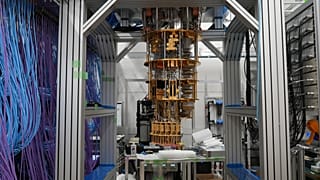
The new quantum system developed by researchers at the Japanese National Research and Development Agency, RIKEN, in collaboration with the Japanese IT giant, Fujitsu, has 256 qubits. However, experts say, ensuring the quality of qubits is as important as the quantity of qubits.
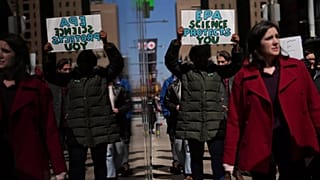
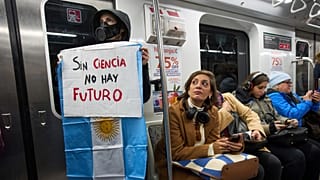
Dressed as characters from Netflix’s The Eternaut, hundreds of scientists marched through Buenos Aires on Wednesday to denounce drastic cuts to Argentina’s science budget.
Europe is home to more than two million researchers and the bloc wants to attract many more, especially after restrictions imposed by the US government on the scientific community. Will the "Choose Europe" initiative be enough to make the EU a world leader in science?
France's president is hoping to position his country as a thriving scientific hub to attract US academics, but domestic researchers say they have been worn down by government cuts.