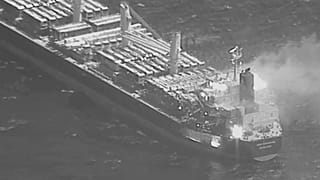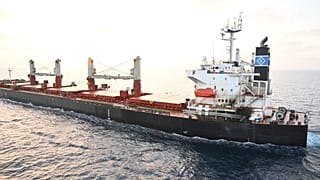
A Portuguese-flagged ship has been hit far out in the Arabian sea, raising concerns about the attack capabilities of Iran-backed Houthi rebels in Yemen.
The Houthis claimed the attack early Saturday in a pre-recorded statement aired by the rebels. Friday's attack is the latest on an offensive carried out by the rebels to show their support toward Palestinians in Gaza.
Yahya Saree, Yemeni Armed Forces spokesman, said in a televised statement that the operations took place ''during the last 72 hours''. He did not give further details of the attacks.
As we reflect on the lessons learned in the past two decades, it is clear that there are no easy solutions or quick fixes to the threat posed by Islamist terrorism, Dr Hans-Jakob Schindler writes.
Yemen's Houthi group launched an unsuccessful missile attack on a Singapore-flagged commercial ship in the Gulf of Aden on Friday, continuing their escalation of tension in the region.
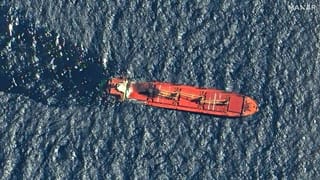
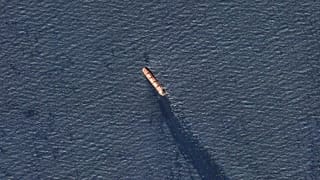
Water supplies for millions, a vibrant fishing industry and some of the world's largest coral reefs are at risk after a cargo ship was sunk by Yemen's rebels.
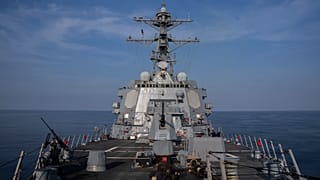
The US military has in recent weeks launched waves of strikes on Houthi-held areas inside Yemen in response to the Houthis’ attacks on shipping routes in the Red Sea.
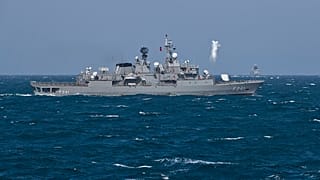
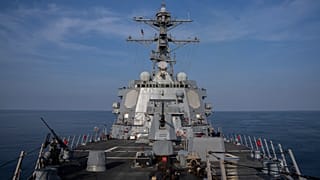
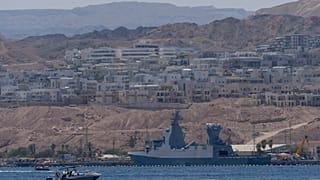
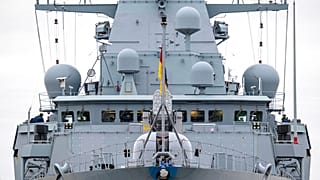
The European Union on Monday formally launched a bespoke naval mission to protect commercial vessels in the Red Sea from attacks by Iran-backed Houthi rebels.
Fear is building among tea lovers in Britain this week following news that there could be a shortage in supplies because of US-UK military strikes against Houthi rebels in the Red Sea. So how did Europe fall in love with the black stuff?