




























Prime Minister Ulf Kristersson has resigned, allowing the speaker of parliament to begin formal talks with party leaders.
Sweden's bloc of centre-left parties has won a parliamentary majority in the tightly contested general election.
 ADVERTISEMENT
ADVERTISEMENT
ADVERTISEMENT
The alliance is led by Magdalena Andersson and her party, the Social Democrats. It also includes the Left Party, Greens and the Centre Party. They now hold a three-seat majority in the 349-seat Riksdag (Sweden's parliament) over outgoing prime minister Ulf Kristersson's right-wing alliance.
After the final count, the result was very close with only around 50,000 votes separating the two opposing blocs nationwide.
For Andersson, the hard work starts now. She must form a government with the other parties in her alliance, which is likely to involve some very difficult negotiations because of because of major ideological differences within the bloc. The Centre Party says it will not support a government that gives cabinet posts to the Left, while the Left Party wants ministerial representation.
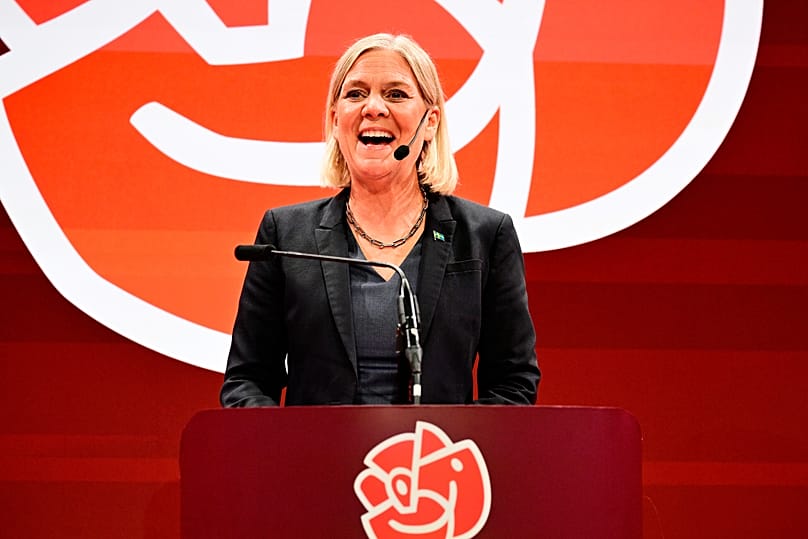
She said voters had chosen “a new direction” for Sweden.
The outgoing prime minister Kristersson has now resigned, but if Andersson fails to form a workable cabinet, Kristersson could still attempt to form an alternative.
Kristersson said he would respect Andersson's attempts to form a government, wishing her luck given the divisions among her alliance.
As if often the case with coalition governments in Sweden, forming a government could take weeks. In 2022, it took more than five weeks. After 2018's election, it took almost 20 weeks.
Waning support for parties on both sides
Despite winning as part of the centre-left bloc, for Andersson's Social Democrats party, it was their worst result in more than a century losing eight seats and with just 28% of the overall vote. The Social Democrats ruled the country for most of the 20th century and remain Sweden's largest party.
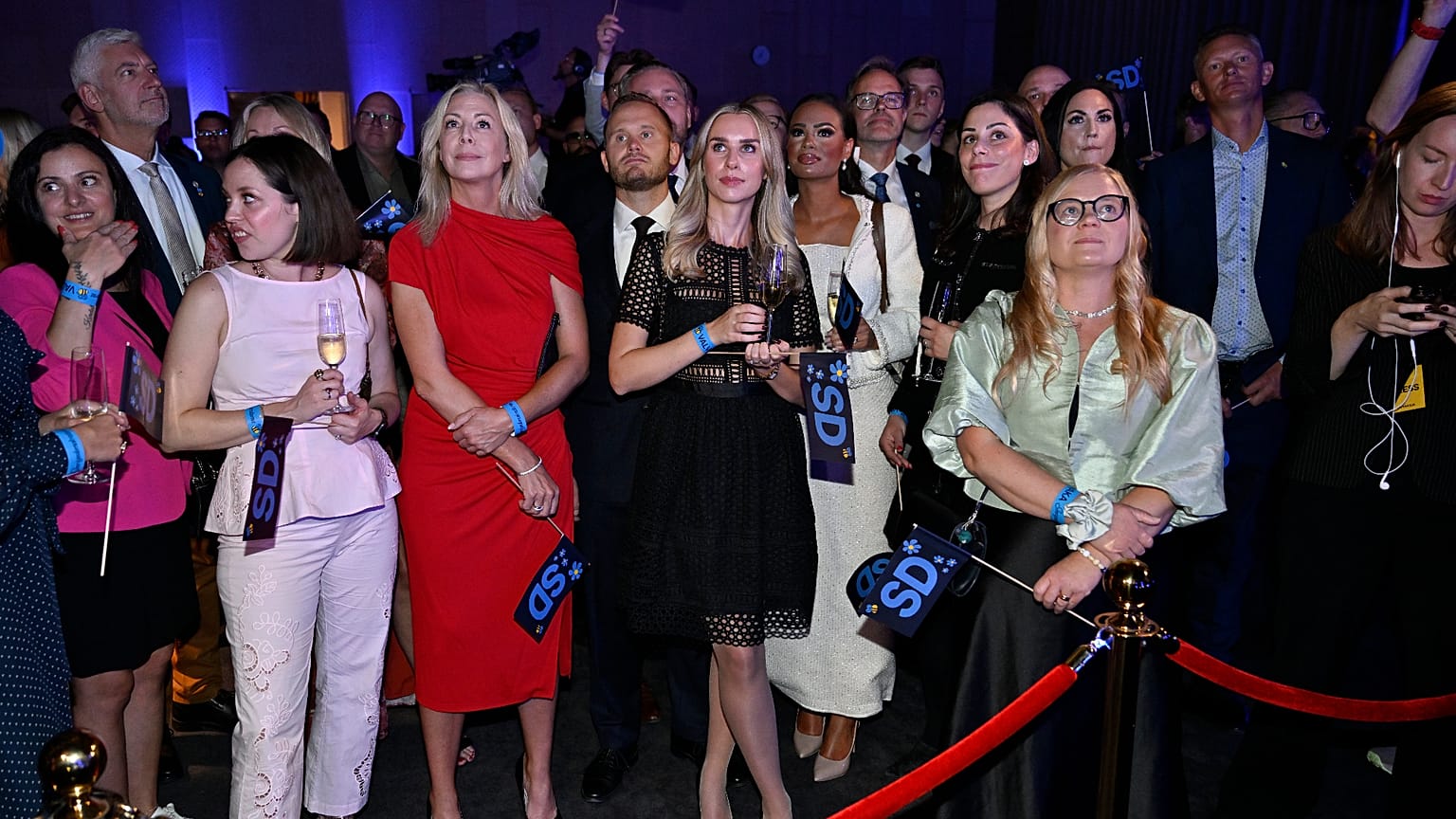
The far-right Sweden Democrats also lost support, for the first time since entering parliament in 2010, with their share of the vote falling to 17.5% and losing 11 seats in parliament.
International reaction
Spain's Prime Minister Pedro Sánchez welcomed the result, presenting it as a victory for social democracy and the welfare state.