




























Participants reviewed plans for reconstruction, security and governance, while developing a framework to ensure transparency and accountability for international donors.
The Palestinian technocratic committee tasked with administering post-war Gaza said on Wednesday it concluded two days of "highly productive" talks in Cyprus on easing humanitarian suffering and advancing plans to rebuild the territory.
 ADVERTISEMENT
ADVERTISEMENT
ADVERTISEMENT
The National Committee for the Administration of Gaza (NCAG) said in a post on X that it held "a series of working meetings in Cyprus with experts and advisers of the Board of Peace, the Office of the High Representative for Gaza (Nikolai Mladenov) and the Tony Blair Institute."
The talks focused on efforts to "relieve the suffering" of Gazans, the committee said, including through projects that "can be done immediately."
Participants also reviewed plans for reconstruction, security and governance, while developing a framework to ensure transparency and accountability for international donors.
The committee reiterated its commitment to US President Donald Trump's 20-point plan and said it remained prepared to assume its responsibilities in coordination with the Board of Peace.
It gave no timeframe, saying further steps would be announced "once the right conditions are met."
The Board of Peace was established by Trump earlier this year as part of a US-backed ceasefire plan for Gaza endorsed by the UN Security Council.
The initiative aims to facilitate a transition away from Hamas rule while supporting the restoration of civilian administration and basic services across the territory of over 2 million Palestinians.
However progress has been slow and the technocratic committee has yet to even enter Gaza.
In May, a source familiar with the board told the AFP news agency that it had no cash in its official Gaza reconstruction fund, despite member countries pledging billions of dollars.
Since the board was set up, its fund, administered by the World Bank and endorsed by the United Nations, has received no money from donors, the source said.
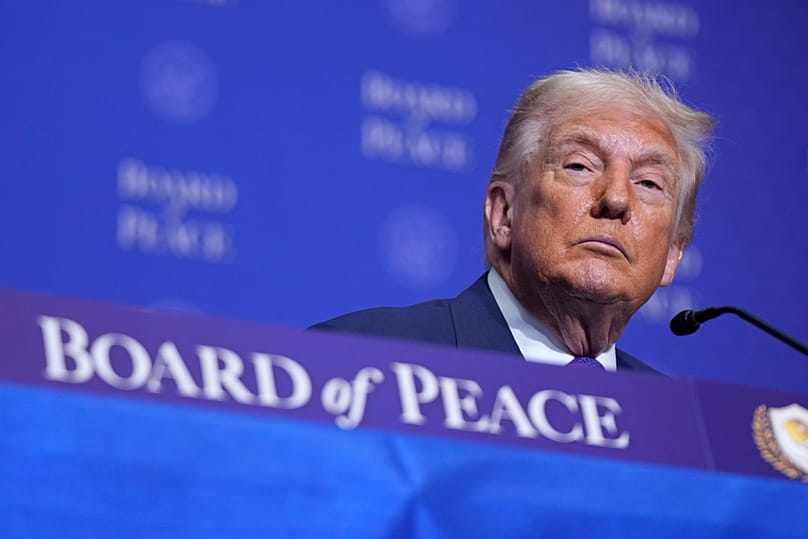
And the International Stabilisation Force for Gaza that was announced at the inaugural Board of Peace meeting has still not been assembled with none of the five countries that pledged troops coming through with any significant contributions.
The board’s creation also quickly raised eyebrows after Trump sent out wide invitations, including to Russian President Vladimir Putin and to countries far removed from traditional Middle East diplomacy.
Major European nations have shunned the board, which is heavy on longstanding US partners in the Middle East, ideological allies of Trump and smaller countries eager for Trump's attention.
The board is unambiguously led not just by the United States but by Trump personally, who holds the final say and can remain in charge past his presidency.
Under the second phase of the US-backed deal, Israel was to gradually pull out of the territory and Hamas was to hand over its weapons, neither of which has happened.
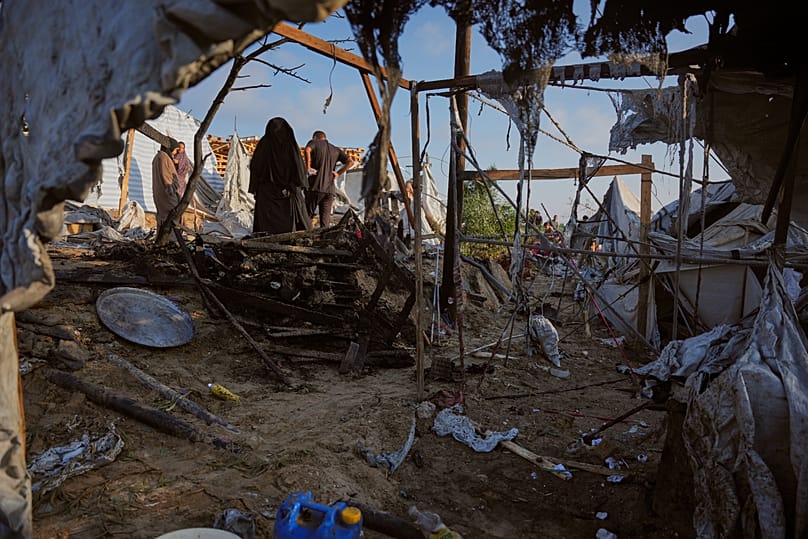
The Gaza war was triggered by Hamas' 7 October 2023 surprise attack on Israel, prompting Israel to launch a retaliatory campaign against the territory.
The war lasted two years until the ceasefire went into effect last October, though it has not completely quelled the violence.
Israel still retains control of over 60% of the Gaza Strip, including all entry and exit points, while the population is concentrated on the coast.
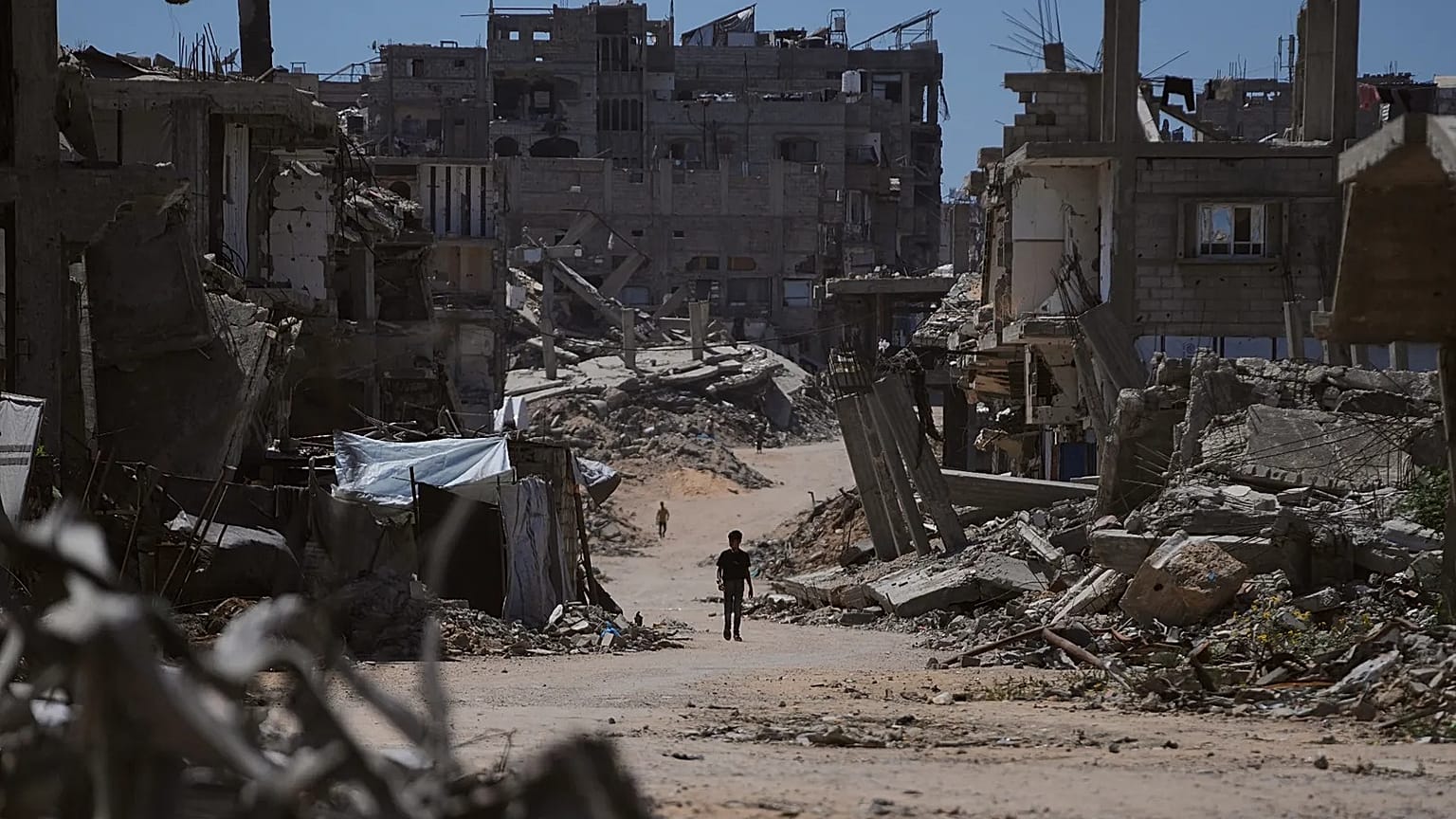
An EU-UN assessment published in April estimated that more than $71 billion (€60 billion) will be needed over the next decade for the reconstruction of Gaza, where the UN says the humanitarian situation is "critical."