

More about this topic
Angola
More about this topic
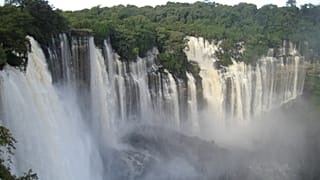
Travel News
Untouched, wild, welcoming: Angola’s hidden tourism gem
From untouched beaches to safari parks and one of Africa’s largest waterfalls, Angola is positioning itself as a rising tourism destination. At ITB in Berlin, the country unveiled its ambitious plans to transform tourism into a key economic pillar – while preserving its unique nature and culture.



 ADVERTISEMENT








Business Series
Best of Angola: Take a look back at this year's growth-geared firms
In partnership with Governo de Angola
Angola benefits from its vast energy and water resources, plus optimal weather for multiple harvests. It's a natural dividend that has led to many companies surging ahead in traditional and renewable energies, innovative agriculture and a new kind of tourism for Angola’s millions-strong diaspora.


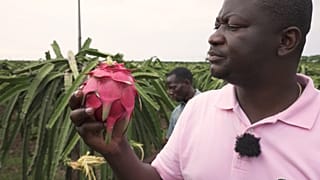
Ecotech
A diamond in the rough: Angola’s growing potential as a fruit exporter
In partnership with Governo de Angola
Meet the "Strawberry King" in southwest Huila Province, who says Angola has the best conditions for growing strawberries in the world. And the "Pitaya King", who discovered pitaya, or dragon fruit, in Brazil and learned of its health benefits 12 years ago.
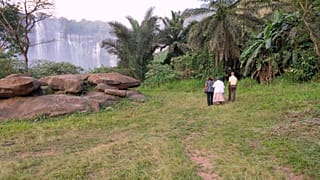
Explore
Beauty and sorrow: Family retraces steps of enslaved Angolan ancestors
In partnership with Governo de Angola
In a voyage of remembrance and natural beauty, Euronews joins a family from Virginia on their historic journey to retrace the path of their ancestors who were taken as slaves in 1619.



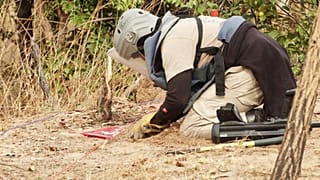
Ecotech
De-mining Angola - The Unseen Threat of Landmines Finally Removed
In partnership with Governo de Angola
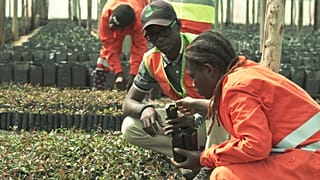
Mines Advisory Group (MAG), an NGO committed to the removal of landmines in the Eastern Provinces of Angola, has cleared 1.8 million square meters of land benefitting over 70,000 Angolans.



World
Wine and Rum: Angolan producers thrive domestically and eye up the global market
In partnership with Governo de Angola
With a soil and climate that allow two harvests a year, Angola’s Velho do Bero vineyard in Namibe Province is an example of how growers are meeting demand on the domestic market. In Benguela Province, Caxaramba rum uses mainly locally sourced materials to grow, harvest and distil.