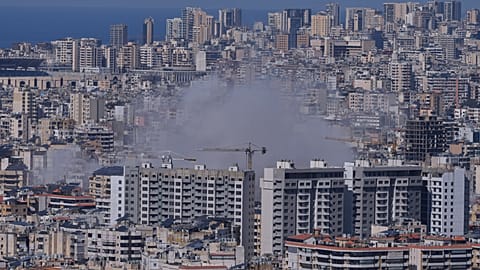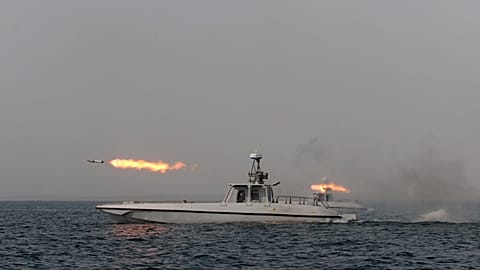





























As US and Israeli jets struck targets in Iran and Lebanon over the last few days and Iranian missiles hit Israel and Gulf states, the death toll has climbed into the hundreds. Yet on trading floors from New York to London, a handful of companies have notched sharp gains.
The US-Israeli military campaign that began on Saturday has already killed Iran’s Supreme Leader Ali Khamenei and senior commanders, triggered retaliatory strikes across the region and raised the spectre of prolonged disruption to global energy flows.
 ADVERTISEMENT
ADVERTISEMENT
ADVERTISEMENT
While diplomats scramble and the UN calls for restraint, certain defence contractors and energy majors have emerged as early market victors.
As the conflict enters its fourth day, demand for advanced weaponry, missile-defence systems and intelligence platforms is projected to surge.
Lockheed Martin's stock, the world’s largest defence contractor by revenue, hit a new all-time high on Monday, closing at $676.70 after rising over 4%.
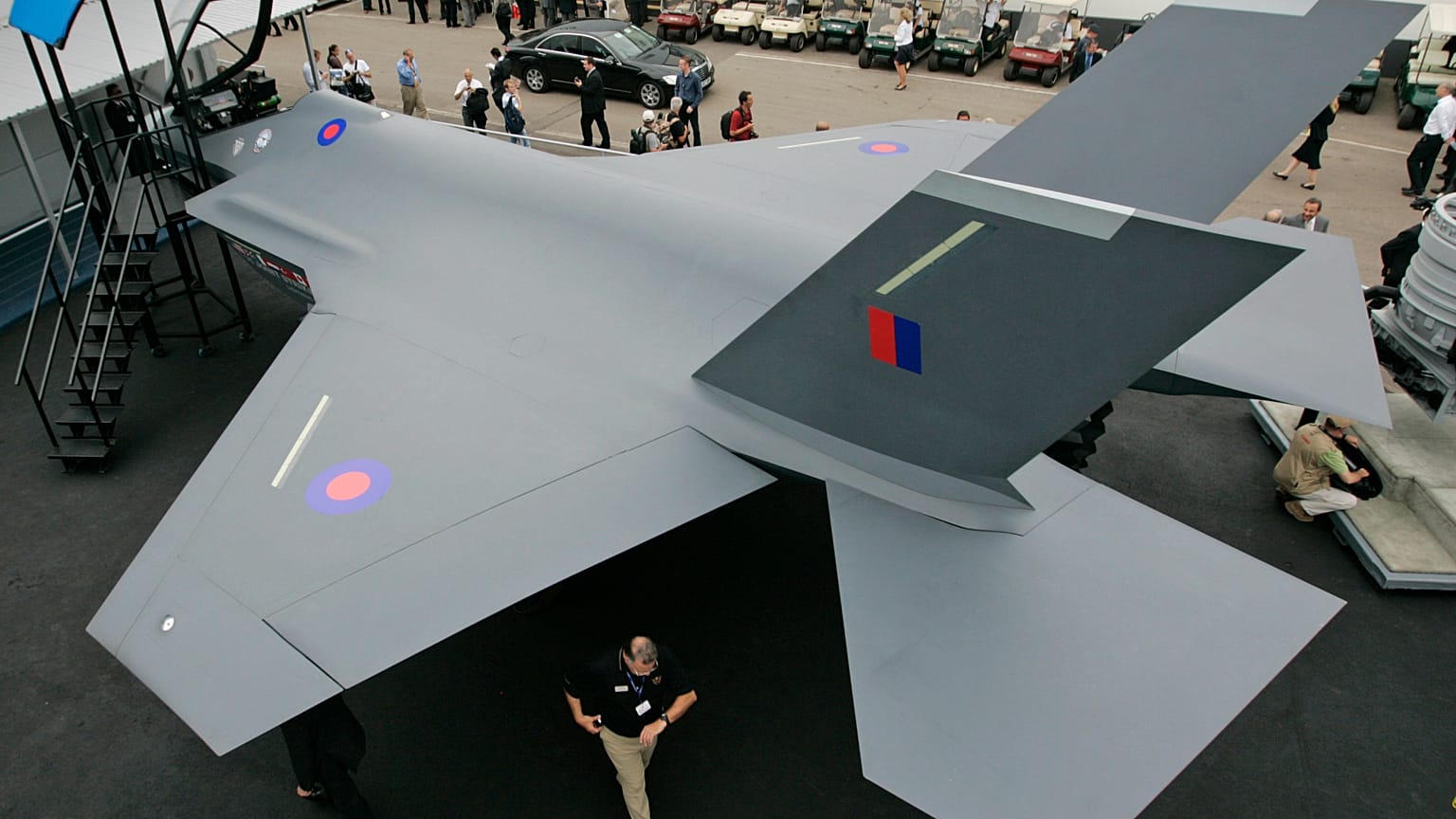
Its F-35 fighters, precision munitions and radar systems are central to the air campaign under way over Iran.
The rally extended across the defence sector.
Northrop Grumman shares jumped 6%, lifted by its stealth-bomber and missile-defence technologies.
RTX, formerly Raytheon, gained nearly 5% while L3Harris Technologies and General Dynamics also recorded solid increases.
Palantir Technologies, whose data-analytics tools support intelligence operations, rose almost 6%.
European companies followed the upward trend on a more modest scale. Germany’s Renk and Italy’s Leonardo posted gains as investors eyed possible increases in NATO procurement and export orders.
Analysts note that defence budgets, already earmarked for growth in 2026, now face even fewer hurdles in Washington and European capitals.
With President Trump stating that operations could last “four to five weeks” or “far longer”, and Iran continuing missile and drone barrages, markets are positioning for weeks of high-intensity military activity.
The gains reflect classic geopolitical risk pricing.
Other market outliers
These rises stand in sharp contrast to broader equity weakness, highlighting how narrowly the benefits are concentrated. Beyond the pure-play defence names, energy companies have been the other clear outperformers, riding the oil and gas wave.
Iranian retaliation has already included strikes to energy sites in Saudi Arabia and Qatar, threats to close the Strait of Hormuz, which could choke off roughly 20% of global oil supply and send energy prices soaring.
Brent crude (BZ) went over $85, its highest price since 2024, and West Texas Intermediate (WTI) is selling at around $76 at the time of writing as markets remain highly volatile during active trading.
Alongside them, integrated oil majors moved swiftly higher.
ExxonMobil shares rose more than 4% recording a new all-time high, while Chevron, Occidental Petroleum and ConocoPhillips posted comparable gains.
In Europe, Shell and TotalEnergies advanced in line with the global pricing surge.
The QatarEnergy LNG production halt announced on Monday, following Iranian drone strikes on Ras Laffan and Mesaieed facilities, sent European benchmark TTF gas prices over 50% higher, reaching €62/MWh by Tuesday.
Markets reacted swiftly as the indefinite shutdown raised immediate fears of rerouted demand and renewed energy inflation risks in Europe.
LNG equities climbed notably since Monday's open on the news.
Cheniere Energy, the largest LNG exporter in the US, Venture Global and Australia's Woodside Energy, all saw intraday strength at the start of the week.
However, analysts caution that actual substitution will take time due to shipping and contract constraints, keeping price action geopolitically sensitive.
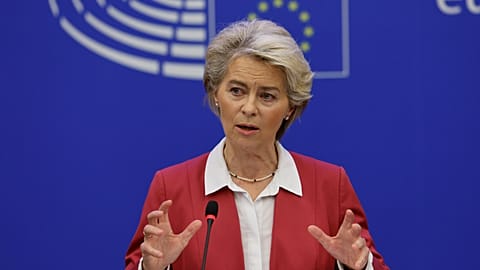
The European Commission announced it is closely tracking both price and supply developments and will convene an Energy Task Force with Member States, in liaison with the International Energy Agency, for a meeting sometime this week.