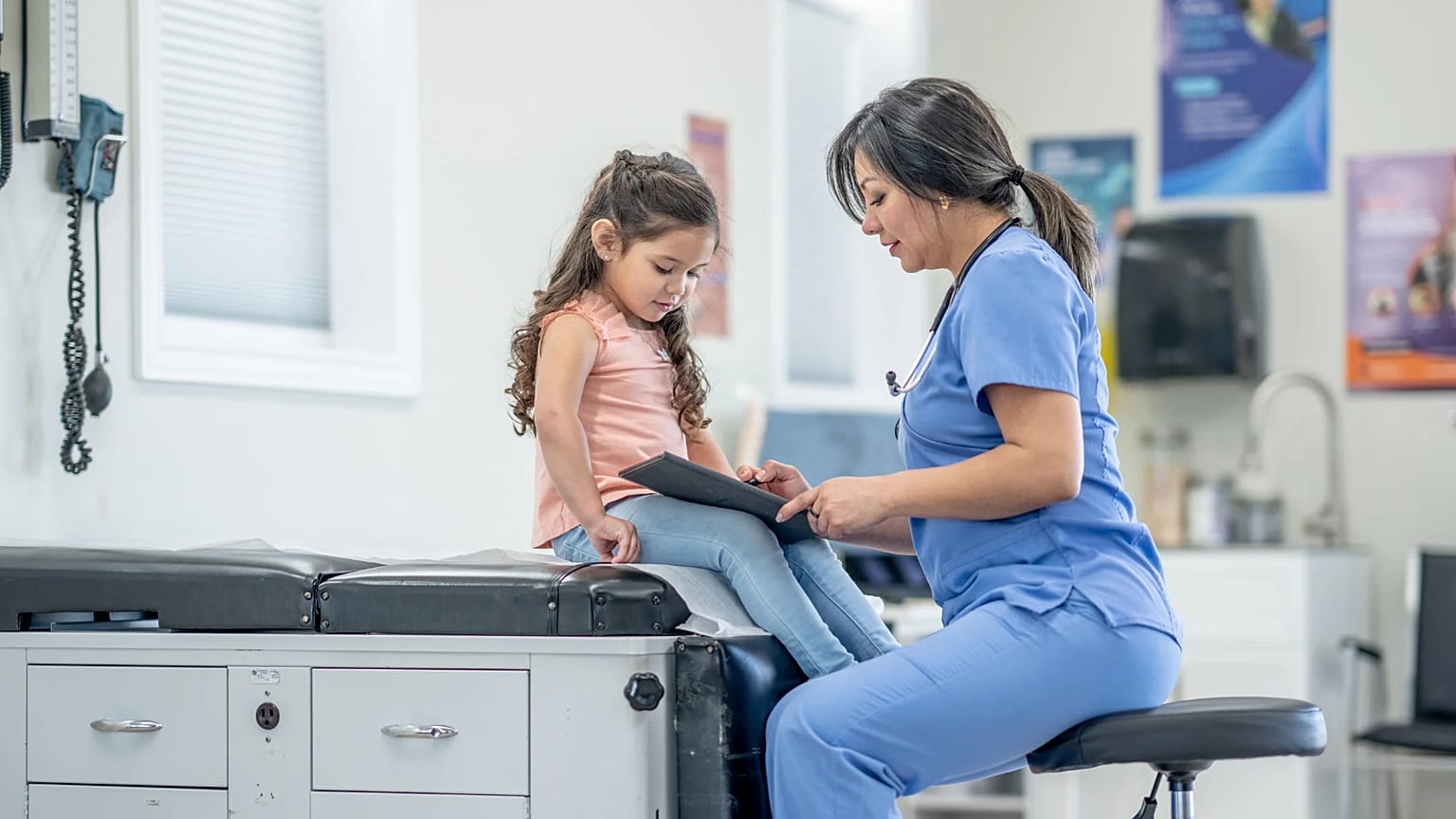













The report highlights how health inequalities affect children from disadvantaged backgrounds, shaping their development and opportunities from the earliest stages of life.
Across the European region, an estimated 187 million people – around one in five – are living in poor health due to health and social inequality, according to the World Health Organization.
 ADVERTISEMENT
“Across our region, people are living longer, healthier lives. Many countries have made real gains in social protection, education, jobs and access to care. But here is the uncomfortable truth: progress isn't reaching everyone,” said Corinne Capuano, officer-in-charge at WHO’s Europe office, during a press briefing presenting the report.
While overall life expectancy and health have improved across generations, that progress is uneven, the authors said.
Inequalities start in childhood
Children are among those particularly affected by health inequalities. An estimated 35 million children and adolescents across the 53 countries of the WHO European Region, which spans Europe and Central Asia, are held back by avoidable health and social inequities, the report found.
Those in the poorest households are twice as likely to die before age five and six times as likely to face severe housing deprivation compared to those in the richest households.
The report identified several groups that are particularly vulnerable, including Roma children, children with disabilities or neurodevelopmental conditions, adolescent girls, and those from less-educated families or living in disadvantaged neighbourhoods.
Girls from low-income families were in worse health in 91% of countries; for boys, that figure was 96%. Overall, girls report poorer health than boys in almost every country, regardless of household income.

Health inequities take root during childhood and adolescence, shaping people’s development, educational attainment and future opportunities long before adulthood, the WHO warned. The first 1,000 days of life are particularly important to prevent disadvantages from becoming rooted over a lifetime, the organization said.
The report found that early investments in family support, nutrition, housing and early learning can yield up to an eightfold return on investment over a child's lifetime.
What drives inequalities?
The report found that the main drivers of health inequity are non-medical living costs and socioeconomic conditions, including low wages, food insecurity, inadequate pensions, poor job conditions and unsafe housing.
In childhood, these inequalities are driven largely by child poverty, barriers to early learning and education, adverse social circumstances such as bullying at school or online, and unequal access to health services.
“Too often, where you are born, what your family earns and whether you can find decent work or training still dictate how healthy you will be,” Capuano said.

Geographical differences
Western Europe saw the biggest gaps, with girls showing the greatest progress while boys experienced the greatest deterioration in equality over the 12-year study period between 2010 and 2022.
Northern Europe recorded the least overall progress, with inequalities stagnating among girls and worsening among boys.
Health gaps narrowed the fastest in Eastern Europe.
“If countries are serious about closing the health gap, three things need to happen now,” Natasha Azzopardi-Muscat, director of health systems at WHO’s Europe office, told Euronews in a written comment.
That includes ensuring low-income people can access affordable healthcare when they need it, assessing the health impact of any budget cuts on the most vulnerable before they are made, and pairing social benefits with clear pathways into work, education and decent housing.
The report's recommendations also include ensuring both parents have access to well-paid, non-transferable parental leave; providing free or subsidised school meals and breakfasts; and introducing evidence-based, whole-school anti-bullying programmes.
“Closing the gap eases pressure on health services, strengthens economies and holds our societies together,” Azzopardi-Muscat said.