












At a World Economic Forum meeting in Cairo, Egyptian President Abdel Fattah el-Sisi pledged to simplify business procedures and outlined plans for industry, energy and AI. The government is preparing a 2027–2030 economic programme to boost productivity and give private businesses a larger role.
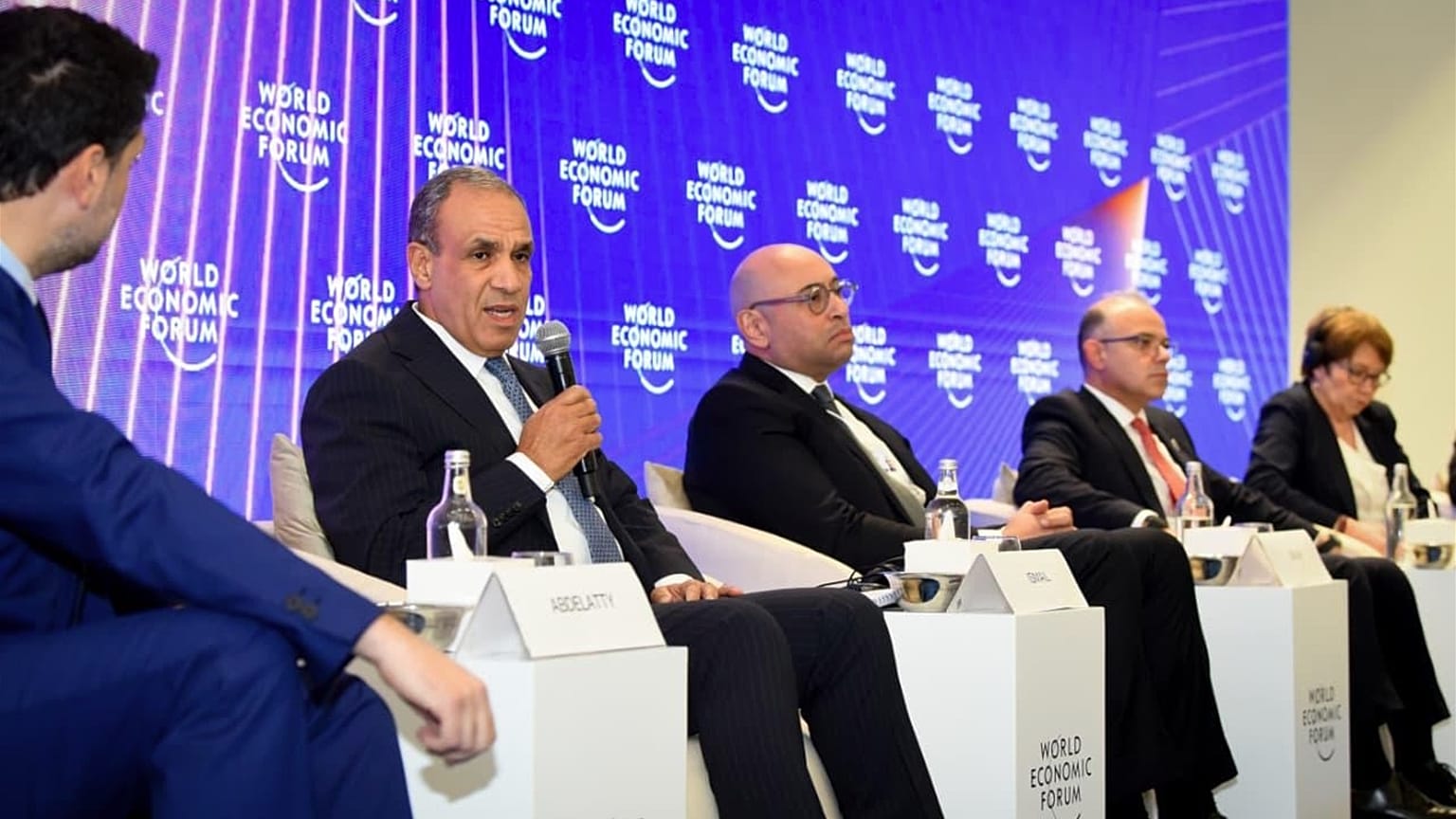
Egyptian President Abdel Fattah el-Sisi called for more foreign investment on Tuesday, outlining business reforms at a World Economic Forum meeting in Cairo.
 ADVERTISEMENT
He said Egypt would announce an economic programme in December covering 2027–2030, aimed at increasing productivity and giving private businesses a larger role.
Reforms had cut the average time for goods to clear customs to two days, he said.
He also said Egypt’s shift to a flexible exchange rate had helped foreign investors transfer their profits abroad. Knowing they can bring their earnings home could encourage companies to invest in Egypt, where their projects can create jobs, generate business for local suppliers and bring in tax revenue.
Representatives of around 80 organisations, including major companies and international financial institutions, attended Tuesday’s discussions, part of the two-day Country Strategy Meeting on Egypt, according to the presidency.
El-Sisi cited economic growth of 5.1% in the 2025–26 financial year and net foreign direct investment of $18 billion (€16.4bn).
The investment drive comes as Egypt faces pressure to reduce debt and open more of its economy to private businesses. In an August report, the International Monetary Fund warned that high debt and borrowing needs left the country exposed to economic shocks. The fund has also said sales of state assets have progressed more slowly than expected.
Industry and investment targets
As part of Egypt’s industrial strategy, el-Sisi highlighted the country's target for industry to account for 20% of economic output by 2030.
The government also wants private investment to reach 67% of total investment by 2030, according to a cabinet statement issued on Monday.
Investment and Foreign Trade Minister Mohamed Farid Saleh set out a foreign direct investment strategy developed with the World Bank in an article published by the World Economic Forum on Monday.
The initial priorities include IT services, solar and wind power, food processing, clothing and transport. Further reforms are planned for sectors including data centres and green hydrogen.
Farid wrote that simpler licensing and online government services would help businesses get projects running. Under Egypt’s existing Golden Licence scheme, eligible projects can receive a single cabinet approval to build and operate.
El-Sisi also discussed whether the European Bank for Reconstruction and Development could help establish new investment zones during talks with its president, Odile Renaud-Basso, on Tuesday. No funding agreement was announced in the presidency’s account.
Energy exports and AI ambitions
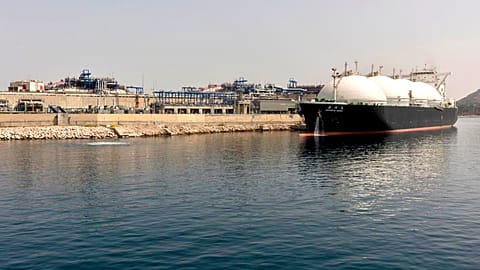
El-Sisi reiterated plans to bring Cypriot gas to Egypt’s Idku and Damietta liquefaction plants for export to Europe by 2028.
Egypt also aims to generate 45% of its electricity from renewable sources by 2028, he said, alongside plans to expand electricity connections with neighbouring countries and Europe.
Shipping through the Suez Canal was improving, the president said. He repeated his estimate that Egypt had lost about $20bn (€18.2bn) in canal revenue in recent years.
He also highlighted opportunities for investment in data centres, cloud computing and AI research as part of Egypt’s national AI strategy.