




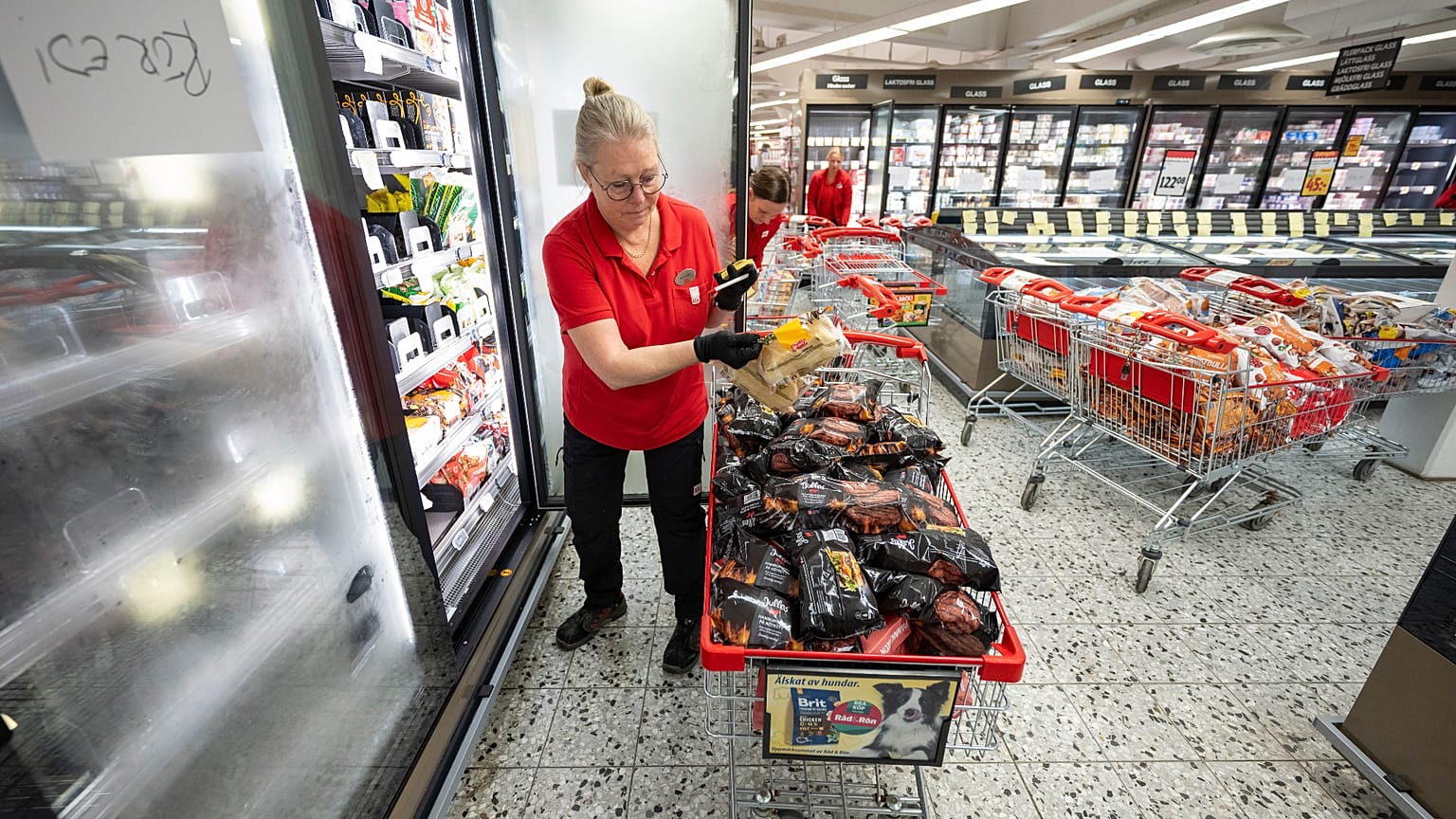














Amid disinformation, cyberattacks and bomb hoaxes, hostile countries and groups are testing Europe's vulnerabilities. Is Europe prepared, or even able, to defend itself?
Europe has been targeted with cyber-attacks on supermarket fridges, false bomb threats on planes, disinformation campaigns, and the sabotage of critical infrastructure.
 ADVERTISEMENT
France attributed October's supermarket hack to Iran, but more often, Russia and pro-Russian actors are blamed for these hybrid attacks.
In today's episode of Euronews Verify, James Thomas breaks down Europe's preparedness for the most recent hybrid warfare incidents with Kenneth Lasoen, professor of intelligence and national security at the University of Antwerp, and Hanna Smith, professor of practice in preparedness and resilience studies at Vaasa University.
"There is a battle almost of ideologies between democracies and authoritarian regimes," Smith said.
As the EU looks to expand, why is it taking so long to bring in new members?
EU enlargement is also in focus in today's episode. Even though some of the 10 official and potential candidate countries have been waiting a decade or more to join the EU, the bloc hopes Montenegro could join as soon as 2028.
Albania, Moldova and Ukraine are also advancing rapidly in the accession process.
Euronews Verify's Lauren Walker makes sense of this new appetite to speed up their membership with Tinatin Akhvlediani, head of the enlargement programme at the Centre for European Policy Studies.
"The momentum was really brought by Russia's full-scale invasion of Ukraine," Akhvlediani told Euronews Verify.
Join Euronews Verify live on TV, Euronews' website, and on digital platforms (YouTube, Facebook, X, and Instagram) every weekday at 6:40 pm Brussels time. In just under 11 minutes, our new format seeks to go beyond the headlines to make sense of what is going on, fact-checking and untangling the most pressing issues of the day to explain why they matter to you.