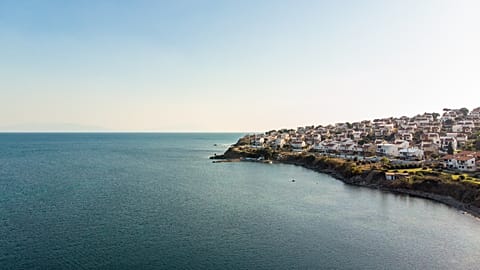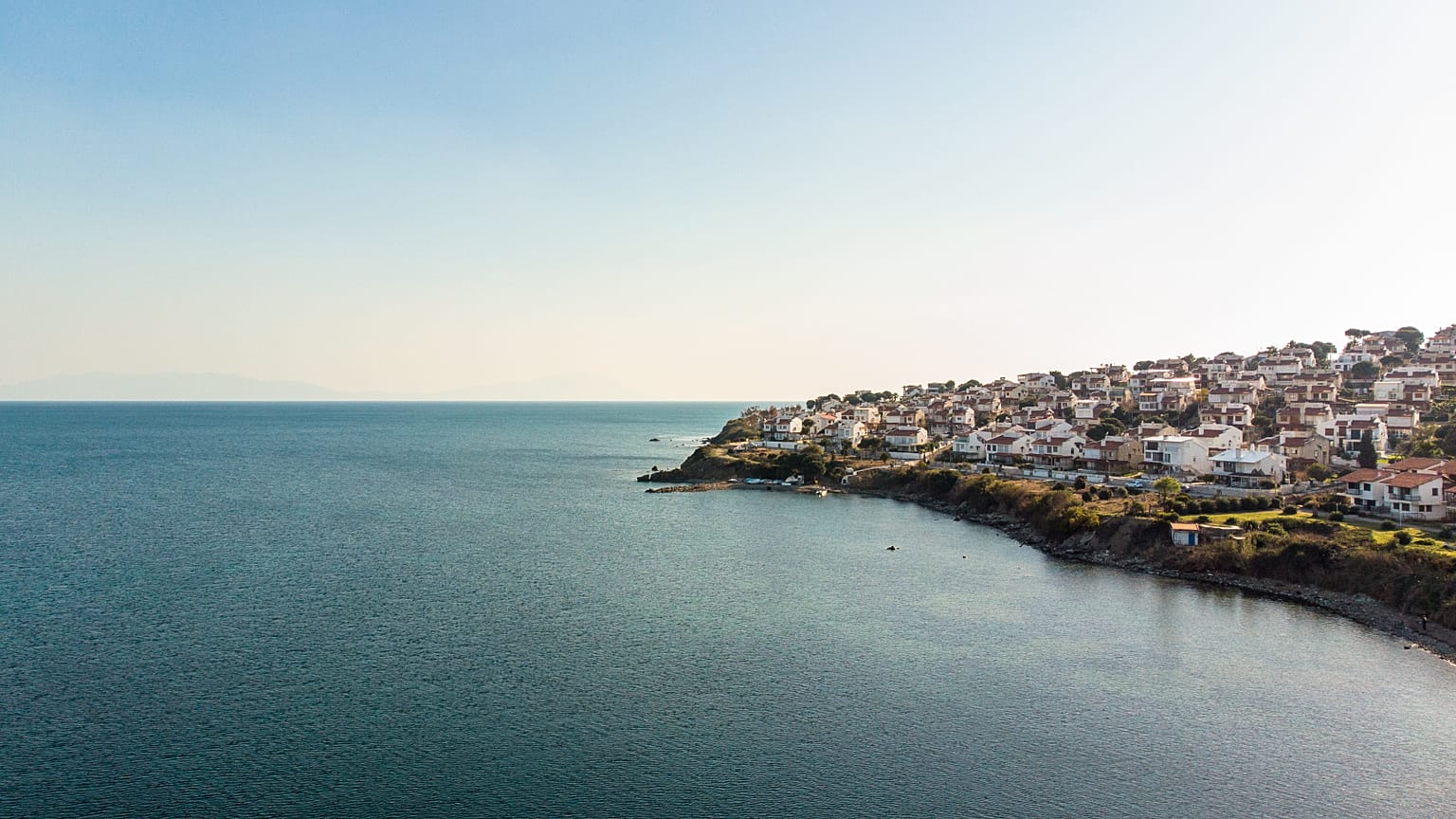


The Cittaslow’ initiative has been highlighting the lesser-known burgs around the world which celebrate local food, culture and history. Türkiye is the proud owner of 29 such towns, all offering unfettered access to myriad aspects of Turkish culture.
The hustle of a big, sprawling city can be intoxicating; they’re often a hub of noise, unfamiliar scents and eye-opening events. And while big cities can be great places to start when visiting a new destination, it’s sometimes in a location’s quieter, more remote, regions where its long-held traditions still thrive, and local cuisine is still a staple, not a novelty.
 ADVERTISEMENT
Enter Cittaslow, an initiative established in Italy in 1999 designed to shine a light on the ‘slower’ – but still special – towns and villages keeping a country’s culture alive.
Of the 310 currently registered Cittaslow towns in the world, Türkiye has an impressive 29, all possessing distinctive aspects of Turkish way of life, from organic food markets and ancient ruins to sweeping plateaus and swathes of agricultural land.
From coastal fishing villages to mountaintop towns, here are some of Türkiye’s most enigmatic ‘slow cities’ slow travellers should check out.
The Aegean coastlines’s laidback locales
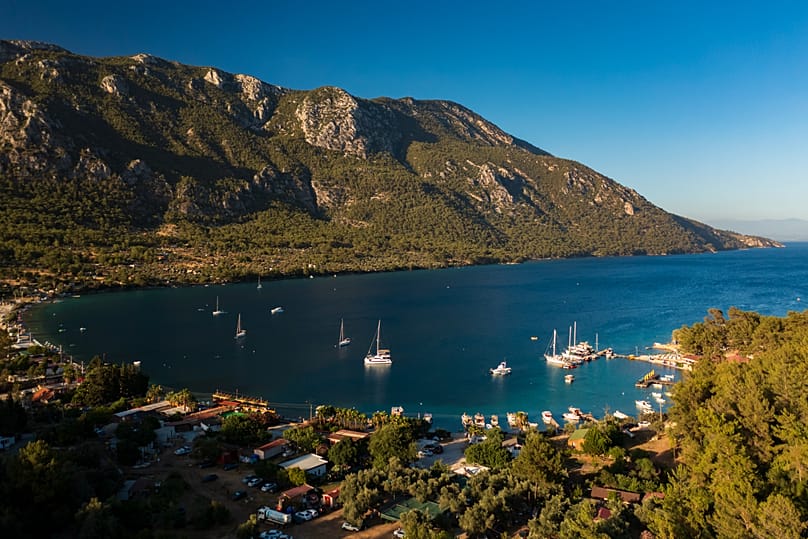
Peppered along the iridescent Aegean coast are some of Türkiye’s most striking Cittaslows. Seferihisar, for example, was selected for its beautiful tangerine orchards and wealth of organic markets. It was Türkiye’s first ‘slow city’ and today, its agricultural heritage remains a major source of income. Visitors can expect to see citrus fruit orchards and grapevine-laced hills, as well as meticulously curated olive groves and lush green fields bursting with vegetables.
Plus, since you’re never far from a slice of ancient history in Türkiye, they’ll also find the ruins of the ancient city of Teos just a few kilometres from Seferihisar city centre. This area serves as a key gateway to the Teos Vineyard Route, where local viticulture flourishes among thousand-year-old olive trees. For those looking to explore further, it also forms a vital part of the Ionian Route, a trekking path that connects the cultural heritage of the ancient Ionian League through breathtaking Aegean landscapes.
A little to the south, tucked into the crevice of the Gulf of Gökova, is Akyaka, a Cittaslow famed for its serene beauty and unique architectural style. Buildings here were inspired by Muğla’s 18th-century Ottoman-era designs and revamped through Turkish architect Nail Çakırhan’s discerning eye, furnishing them with distinctive wooden shutters, balconies and often double staircases.
The town’s position near the Azmak River, a crystal-clear channel winding through the Gökova Plain, is a protected area, offering a bucolic setting for nature-lovers who can enjoy boat rides along the eucalyptus-banked waters, go bird-watching or simply bask in the peace bestowed by a stroll through the idyllic landscape.
With over 500 islands surrounding Türkiye, that ‘island’ lifestyle is always close by. Gökçeada sits off the very Western tip of the Turkish mainland and is the country's largest island. It’s also Türkiye largest island.
Northern Türkiye’s Black Sea abodes
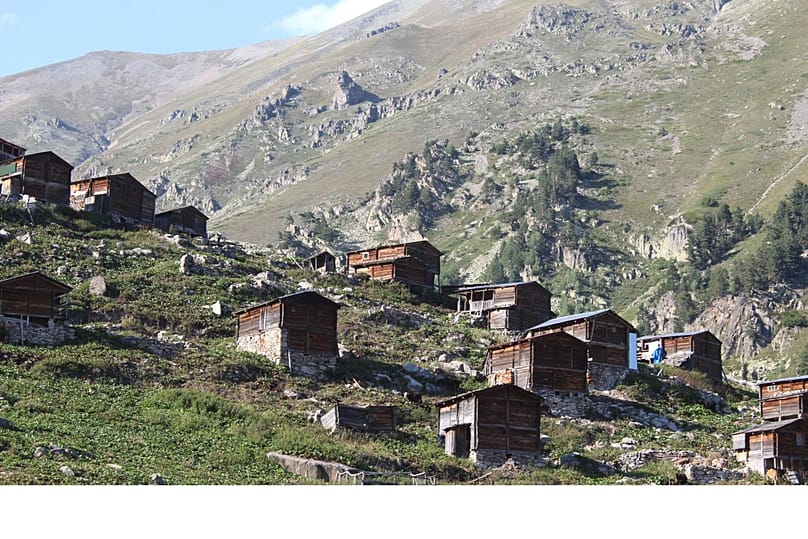
Türkiye’s other coastline is one spattered with high mountains, sweeping hillsides and tumbling rivers. On the eastern edge of the Black Sea, close to the Georgian border, sits Şavşat, an idyllic town flanked by the peaks of the Karçal Mountains.
Inhabited today by a mix of Georgian and Turkish peoples, the town is a contradiction of historical remnants and the lush foliage of the Artvin region. On the one hand, the ruins of a castle believed to have been built in the 9th century make for eerie exploration, while on the other, wandering through the conifer, chestnut, rhododendrons and fir trees which cluster the hillsides is a supremely peaceful experience. It’s particularly picturesque in the autumn, when the landscape transforms into rolling sheets of golden leaves.
Flying under the radar, in the middle of Türkiye’s Black Sea coastline, is the ‘happiest place’ in the country. Gerze was founded in 1400 BCE and declared a Cittaslow nearly 4,000 years later, in 2017. As a town, it's a near-pastiche of quaintness: toy shops sell hand-carved toys, a Friday farmers’ market shares produce from all across the region and Gerze’s legacy as a fishing town is ever on display thanks to an abundance of fresh seafood for sale.
The outskirts of the town are equally enticing: the Çeçe Sultan Tomb, once an important place of pilgrimage, lies just 15 kilometres from the city centre, while the surrounding hillsides prove a popular paragliding spot for those prepared to hike the 400-metre heights of Yelken Tepe (they’ll be rewarded with a 15-kilometre flight route – the longest in Türkiye).
The Black Sea’s Cittaslows don’t stop there, however. On the western tip of the coastline, the once capital of the ancient Thracian tribe, Vize, is filled with ruins and architecture from its colourful military history. The remains of 6th century pipes that used to form an ancient water supply route that carried water towards İstanbul, a Roman theatre and the walls of a fortress built around 72 BCE are just the beginning of the cultural wonders to uncover.
The serene shores of Türkiye’s lakesides
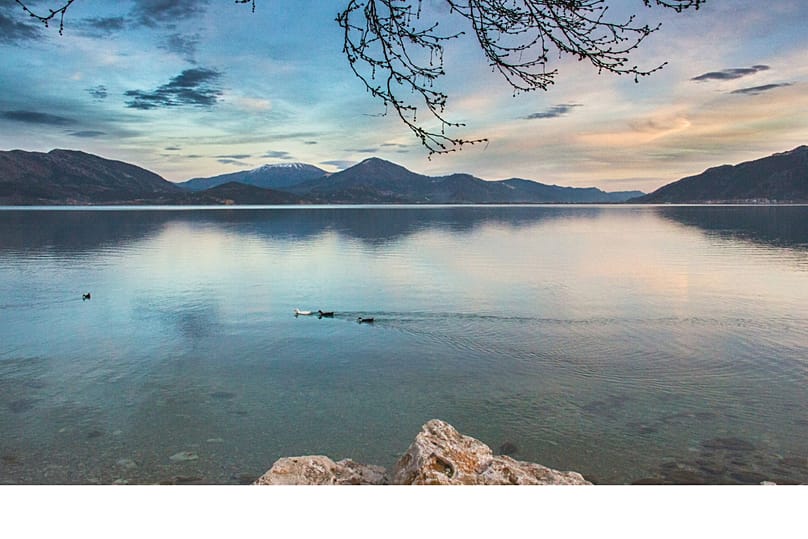
While Türkiye’s dramatic coastlines attract many, there are slow traveller treasures to be found inland too. Some of the country’s most beautiful lakes (Türkiye boasts more than 300) can be found between the Anatolian plateau and the Mediterranean coast. Eğirdir Lake is the fourth largest in the country, and abutted by Eğirdir town, which huddles on the water’s southern shores.
It’s a popular stopping point for those making their way to Cappadocia, but is a far cry from the hustle and bustle of a big city. The land surrounding the lake’s green-blue waters are furnished with apple orchards and shaded by mountains to the southwest and the islands of Can Ada and Yeşil Ada on the horizon to the northeast.
Today, the ‘ada’s are connected to the mainland by a causeway, and well worth a visit. Settlements on Yesil Ada (Turkish for ‘green island’) date back to the Eastern Roman era, but are more noticeable for their Rum architectural flourishes.
A wander around Eğirdir town itself reveals the crumbling remains of a castle thought to have been built by the Lydians then modified by the Romans, Eastern Roman and Seljuks, a small mosque – Hızırbey Camii – and a variety of local restaurants specialising in freshwater delicacies. Diners can sample lake bass, eel, lobster and carp all while looking out at a blissful lakeside vista. Boat trips, paddleboarding and a wade in the bracing waters of the Halk Plajı (the public beach) are also great ways to take in the town.
We’d be remiss not to mention Türkiye's largest lake, Lake Van. Sporting a total area of 3,755km2 , its shorelines are vast, meaning there’s plenty of room for yet another Cittaslow: Ahlat. Not only does this burg boast simply glorious views, but it retains myriad remnants from across its history. There are oodles of historic sites to pore over here, including Neolithic caves and thousands of engraved tombstones at the Ahlat Seljuk Cemetery, believed to be the largest Turkish-Islamic cemetery in the world.
Read more