




























Nigeria’s Power Crisis Creates New Opportunity for Solar as Togo Deepens Russia Ties
Nigeria’s power crisis is creating a growing market for decentralized solar. Millions of businesses still rely on costly diesel and petrol generators, as unreliable grid power disrupts operations and drives up costs.
 ADVERTISEMENT
ADVERTISEMENT
ADVERTISEMENT
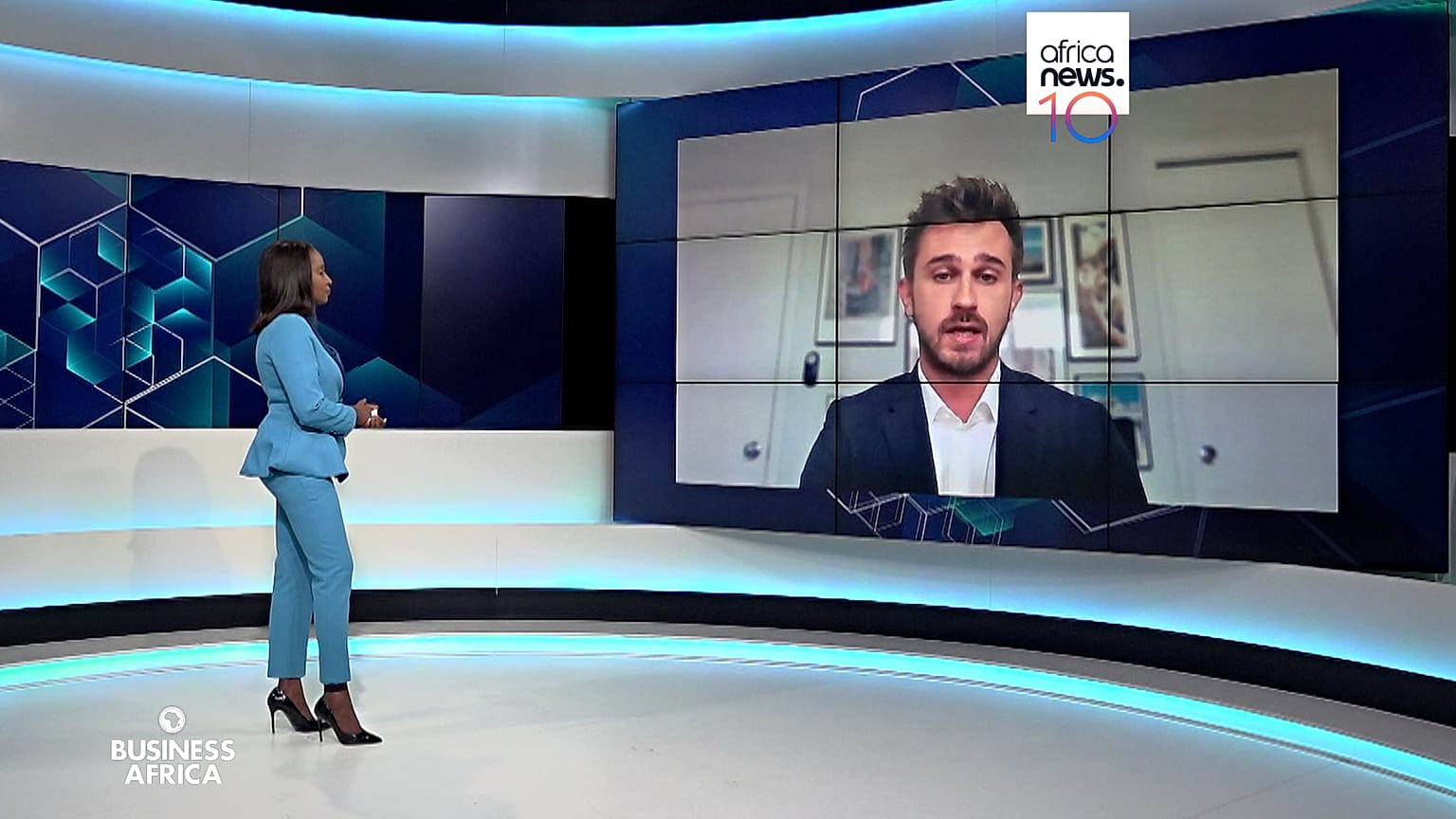
PowerGen is betting that solar and mini-grids can provide more reliable electricity at scale. Speaking to Business Africa, Connor Shine, Director at Delphos, discussed whether commercial solar can now compete with generators, how the deal manages currency risk, and whether the model could be replicated across other African markets.
Managing currency risk
Currency volatility is one of the major challenges facing clean-energy investment across Africa.
For companies investing in solar infrastructure, depreciation of local currencies can increase the cost of imported equipment and complicate the repayment of dollar-denominated financing.
Shine explained how Delphos structured its financing to manage these currency risks in the PowerGen deal, raising a broader question: could similar financing models help accelerate decentralized energy investment in other African markets?
Countries such as Kenya, Ghana and the Democratic Republic of Congo are also looking to expand access to reliable electricity, creating potential opportunities for distributed energy solutions.
Togo and Russia strengthen ties
After 65 years of diplomatic relations, Togo and Russia are stepping up economic cooperation.
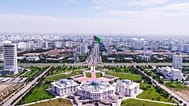
The two countries recently held their first joint intergovernmental commission at the Palais des Congrès in Lomé.
Trade remains modest, but both sides are exploring opportunities to expand investment and economic ties.
The key question: can closer political relations translate into significant commercial opportunities for Togo and West Africa?
Africa’s digital gap narrows
Africa’s digital transformation is accelerating.
The GSMA says 83 percent of connected Africans now go online every day.
Meanwhile, the continent’s mobile coverage gap has fallen from 50 percent in 2016 to less than 15 percent today, driven by sustained investment in telecommunications.
As connectivity expands, the next challenge is turning greater digital access into broader economic opportunity.