






























Brussels and Washington are "closely" monitoring the evolution of a suspected plague outbreak in Siberia following the death of a lab worker.
The European Commission is monitoring the suspected outbreak of pneumonic plague in Siberia, Russia, "very closely" and stands ready to coordinate a response among member states if necessary.
 ADVERTISEMENT
ADVERTISEMENT
ADVERTISEMENT
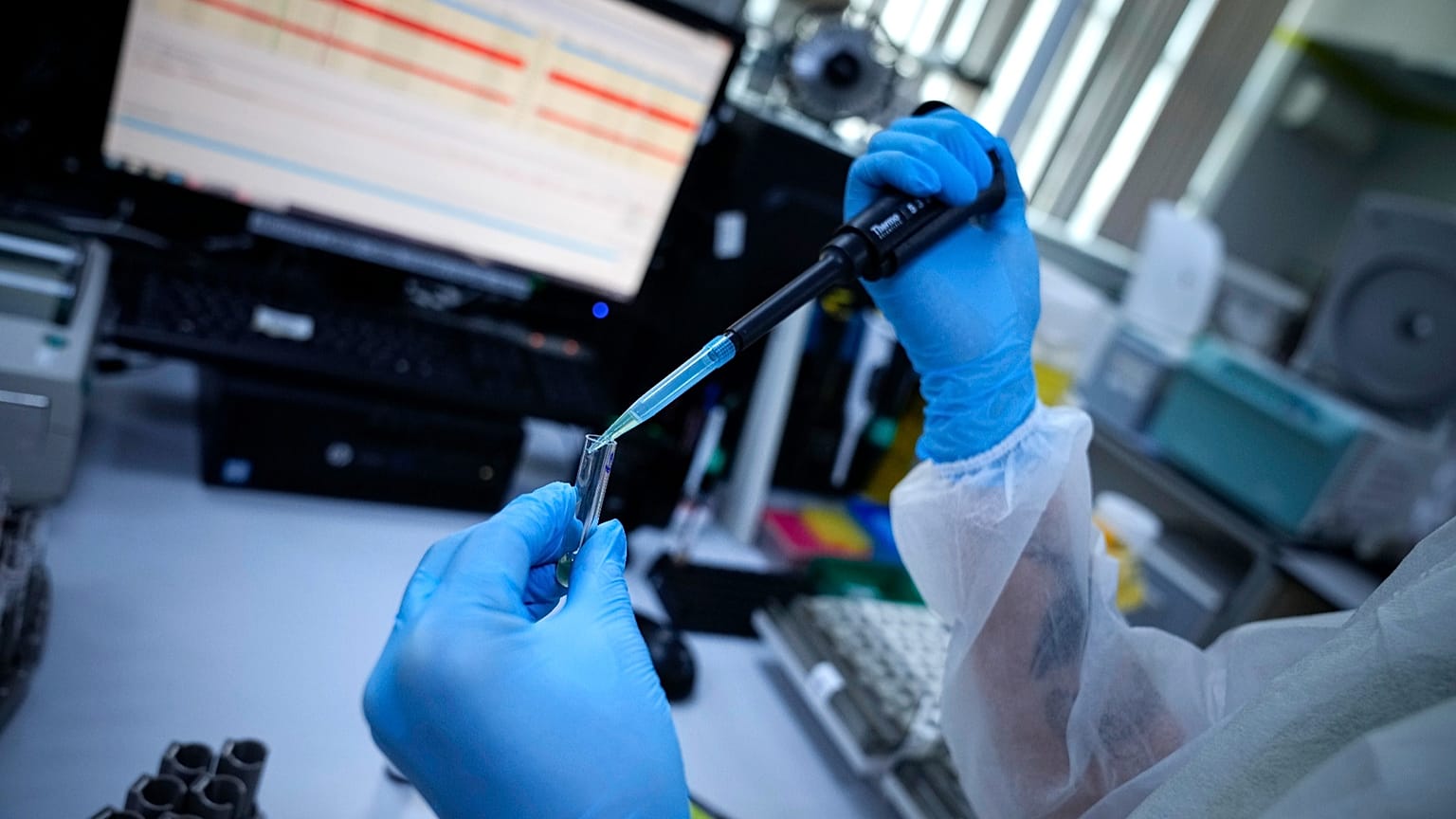
The situation came to light following the death on 2 October of a lab worker of the Irkutsk Research Anti-Plague Institute who is said to have broken a test tube containing the plague pathogen. Her death was attributed to a "pneumonia of unknown aetiology".
The incident prompted precautionary measures in the region. Roughly 200 people who had been in touch with the lab worker have been placed under strict medical observation.
Russian authorities have so far refrained from confirming the existence of a plague outbreak, but the reports have heightened alarm worldwide.
"We are aware of the reports concerning the laboratory incident in Russia, seemingly involving a pathogen causing plague," a Commission spokesperson said on Monday.
"Public health is always a priority for us, so we are in touch with our experts from the European Centre for Disease Prevention and Control," the spokesperson added.
"We monitor very closely what is going on."
Pneumonic plague is a fast-moving lung infection caused by Yersinia pestis that spreads through infectious respiratory droplets during close contact. It has a high mortality rate but can be effectively treated with modern antibiotics.
"We are much better prepared for any pandemics" after COVID, the spokesperson said, noting that countries have antibiotic stocks at hand.
The Commission is using the World Health Organisation (WHO) to get updates from the Russian authorities, whose contacts with their European counterparts are severely restricted since the start of the full-scale invasion of Ukraine.
For now, the executive does not intend to convene a dedicated meeting nor adopt emergency measures.
The response of Brussels mimics that of Washington.
The US State Department has said it is "closely" monitoring the situation and urged Moscow to provide "accurate" information "quickly and openly". The Commission also stressed the need for "timely and transparent reporting".
The plague has been absent in Europe for more than 50 years.