

















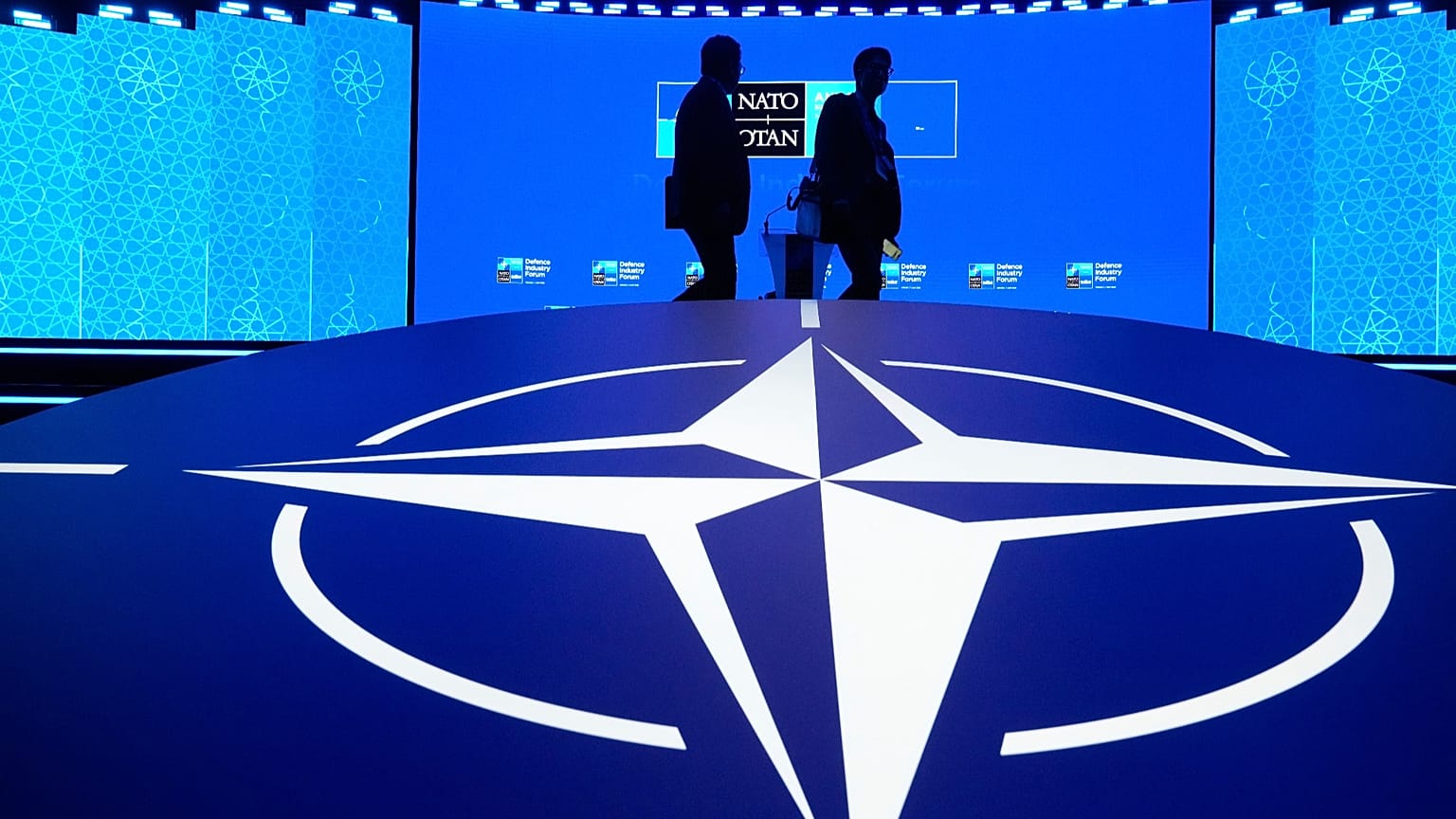













European countries have been on high alert for any Russian interference, with fears that Moscow could target Kyiv's Western backers as the Kremlin's invasion of Ukraine drags on into its fifth year.
The Danish Defence Intelligence Service (DDIS) said on Thursday that the risk of Russian military action against NATO countries was growing and an outright invasion was "highly unlikely" but possible.
 ADVERTISEMENT
ADVERTISEMENT
ADVERTISEMENT
"There is a low but growing risk that Russia will launch a limited military attack against one or several NATO countries bordering Russia," Thomas Ahrenkiel, the head of the DDIS, told a press conference at which he presented an updated assessment of the threat from Russia.
He said that the agency still considered it "highly unlikely that Russia would see any interest in invading a NATO country, but we cannot rule it out".
In the DDIS assessment, the agency said that Russia would likely carry out more so-called "hybrid attacks" against targets in the West.
It noted that in the past such attacks had "mainly been aimed at creating fear and weakening public support for aid to Ukraine".
But they had now started to include actions meant to stop support from reaching Ukraine, such as sabotage against defence companies or railway transports carrying military equipment, the agency said.
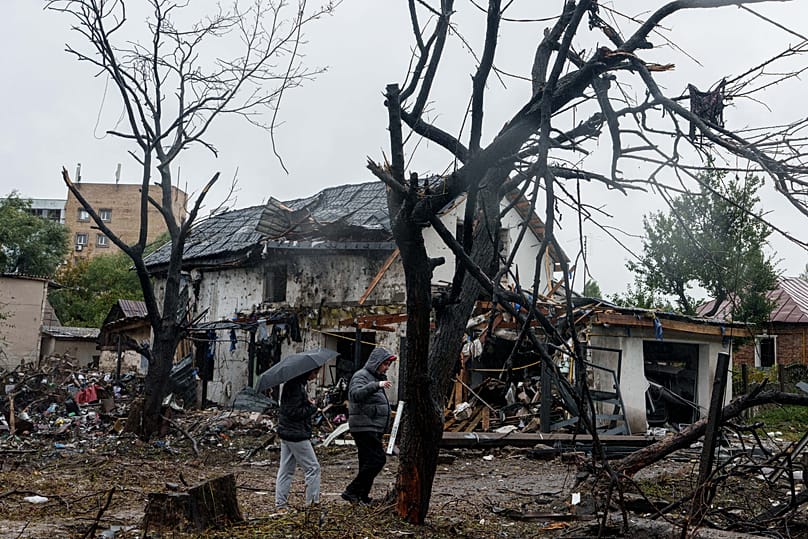
The DDIS said it thought Russia would intensify such attacks, which could also include "destructive cyber attacks that cripple critical societal functions."
The agency also said there was a low risk of a limited military attack even if the war in Ukraine continued, as an attempt to redirect European resources away from Ukraine.
"A limited military attack would be a desperate move on Russia's part and, like the intensified hybrid attacks, could potentially take place in the coming months," the agency said.
However, the DDIS also noted that "a build-up of forces would require several months of preparation and will be difficult to conceal."
Ahrenkiel also stressed that although "Russia's increased willingness to take risks has consequences for the security situation in Denmark," notably through hybrid attacks, this does not mean that Russia is going to attack the Scandinavian country.
"We do not expect a conventional Russian military attack against Denmark," he stressed.
European countries have been on high alert for any Russian interference, with fears that Moscow could target Kyiv's Western backers as the Kremlin's invasion of Ukraine drags on into its fifth year.
Earlier this month, Danish intelligence agency PET sais that Russia was “actively” preparing sabotage operations against the country.
"The Russian intelligence services are actively preparing acts of sabotage targeting the defence industry in Denmark," Danish Security and Intelligence Service (PET) said in a statement to AFP.
They are recruiting "ordinary Danes" on social media to take photos that can be used in planning acts of sabotage, it said.
Warning from the UK
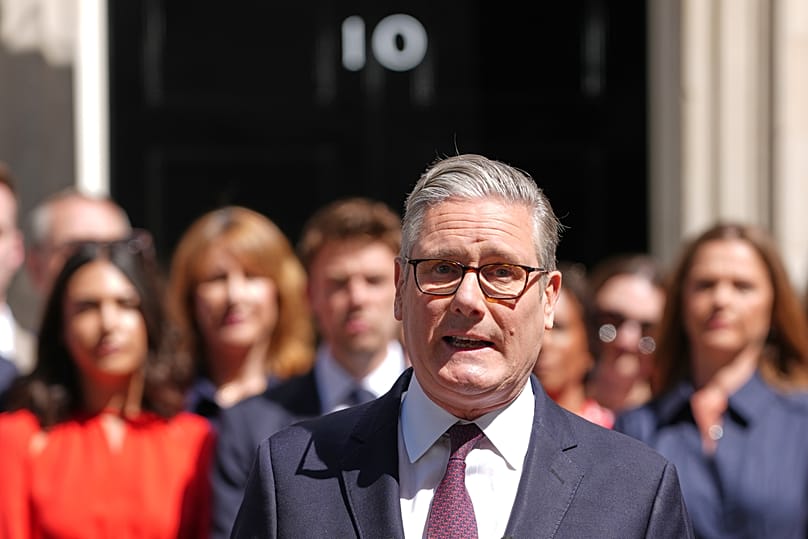
Meanwhile, in June, former British Prime Minister Keir Starmer said Russia could attack a NATO country within four years according to western intelligence assessments.
"It is our intelligence assessment and the assessment of other countries in NATO that there could be an attack by Russia on NATO as soon as 2030," Starmer said.
"So you can see the urgency and the priority that we're putting behind this now," he added during a visit to a drone manufacturer in southwest England.
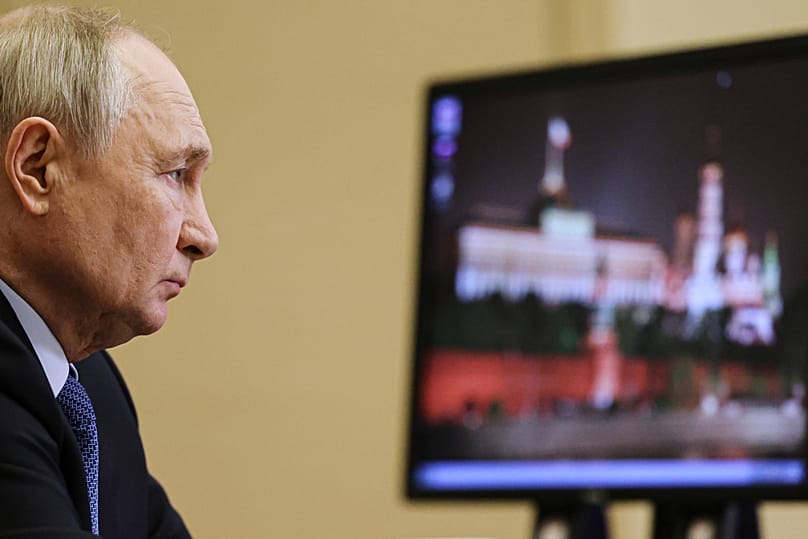
Just two months later in August, US President Donald Trump said that Vladimir Putin was "not going to attack" NATO territory, pushing back against media reports that Washington was concerned about a possible Russian move on Europe.
Trump's comments came just days after the CIA Director John Ratcliffe flew to Moscow for surprise talks that the Wall Street Journal and CBS News said was an attempt to dissuade Russia from attacking NATO members, amid US intelligence assessments that Moscow could seek to test the alliance.
"I've had good talks with him. He's not going to be attacking a NATO territory," Trump told reporters in the Oval Office when asked if the Russian president had agreed not to do so.