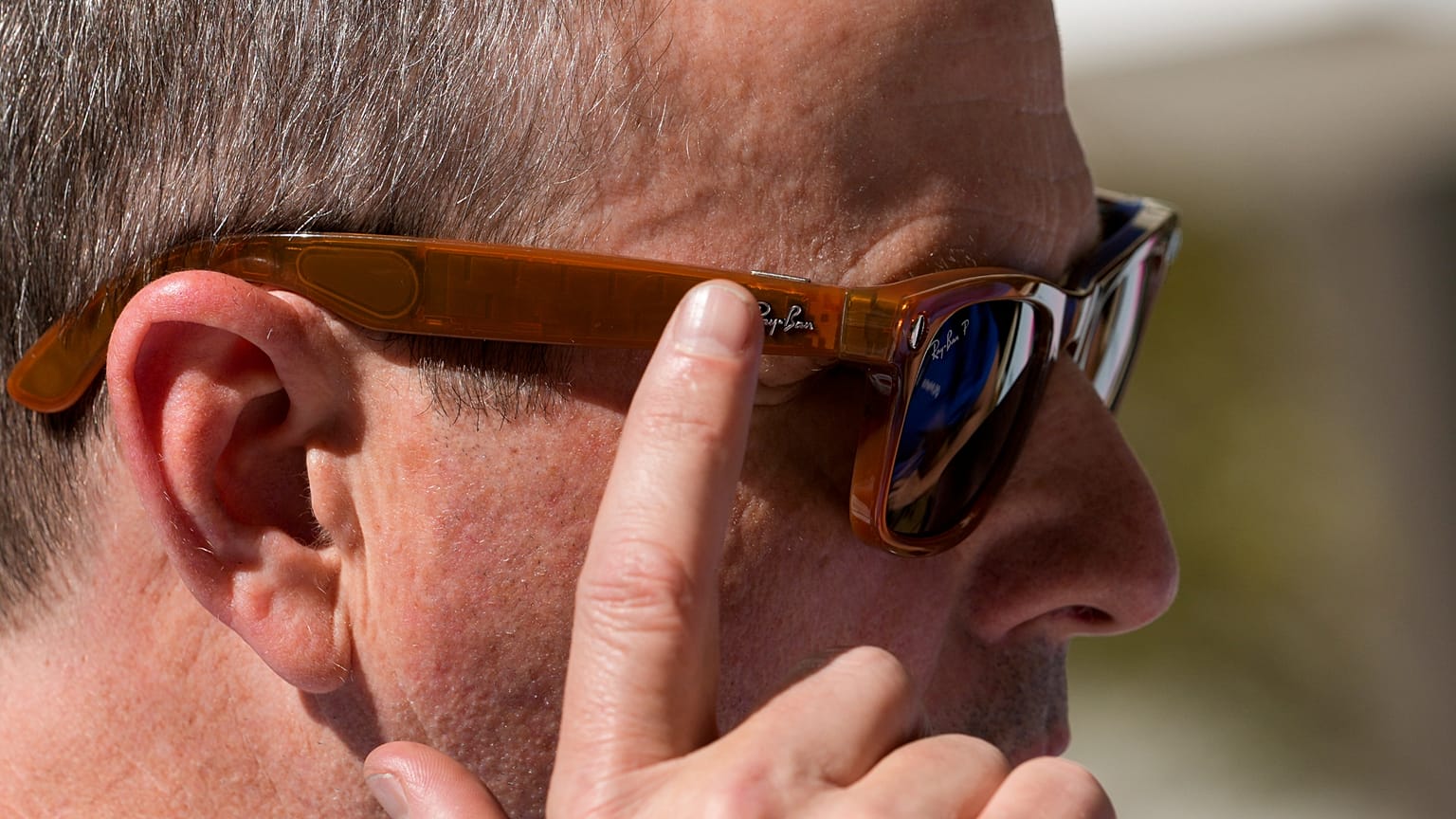













The German digital rights group filed a criminal complaint against Meta/Ray-Ban smart glasses, raising concerns about the proportionality and applicability of the same idea in other EU Member States.
German non-profit group HateAid has filed a criminal complaint against Meta, Ray-Ban, Oakley and several eyewear retailers with Germany's Central Office for Combating Internet Crime, seeking a ban on the sale of Meta's AI glasses, the Ray-Ban Meta Wayfarer.
 ADVERTISEMENT
ADVERTISEMENT
ADVERTISEMENT
The group argues the glasses violate Germany's Telecommunications, Digital Services and Data Protection Act.
HateAid says the Ray-Ban Meta AI glasses are "indistinguishable" from ordinary glasses, and with 41 million people wearing glasses in Germany alone, this can create "image-based digital violence" and "disguise a particularly inconspicuous surveillance technology as an everyday object".
Fragmented approach to public photography in the EU
German public photography laws are stricter than those of many other EU countries.
Taking pictures and videos of panoramic views and public events is allowed, but photographing or filming individual people without prior consent is not.
Many other European countries, by contrast, permit public photography and filming of passers-by, as long as the content is not used for malicious, commercial or vigilante purposes.
The EU has long faced criticism over its fragmented approach to implementing its data protection laws, and public photography and filming looks set to become another point of contention.
Accompanying petition
The group's petition calls, first and foremost, for a complete ban on the sale of Ray-Ban Meta AI glasses in Germany, which could in theory follow a legal assessment of their compliance with German law.
The second request sounds reasonable enough: ensure safety by design, making sure the glasses are "clearly identifiable".
The group suggests colour-coding the cameras. The glasses already have a built-in white LED light that blinks continuously while a user is taking a photo or filming.
The third request — not to leave those affected to fend for themselves — also leaves little to argue with and points to deeper, more entrenched issues with law enforcement and protecting one's rights, whether offline or online.

Violence against women
The group argues smart glasses should be banned outright, pointing to rising digital violence, which often targets women.
Instances of physical and psychological violence against women in Europe are indeed on the rise, and AI and deepfakes bring new layers of privacy and security threats.
However, data from previous years show that law enforcement, legal frameworks and even public awareness of how to protect one's rights remain insufficient to protect women — a gap that predates smart wearables altogether.
In 2024, Germany, France and Sweden reported the sharpest rise in recorded sexual violence and rape offences.
Moreover, 30% of women in Germany say they have experienced psychological violence from a partner, 32% report sexual harassment at work, and 14% report stalking.
Few women report online abuse or know their rights, either.
According to a 2025 report from the Economist Intelligence Unit, only one in four women report online abuse, just 14% report it to law enforcement, and 78% are unaware of the options available to fight back against online harassment, doxing and impersonation.
This story was originally published on EU Tech Loop and has been shared on Euronews as part of a syndication agreement.