















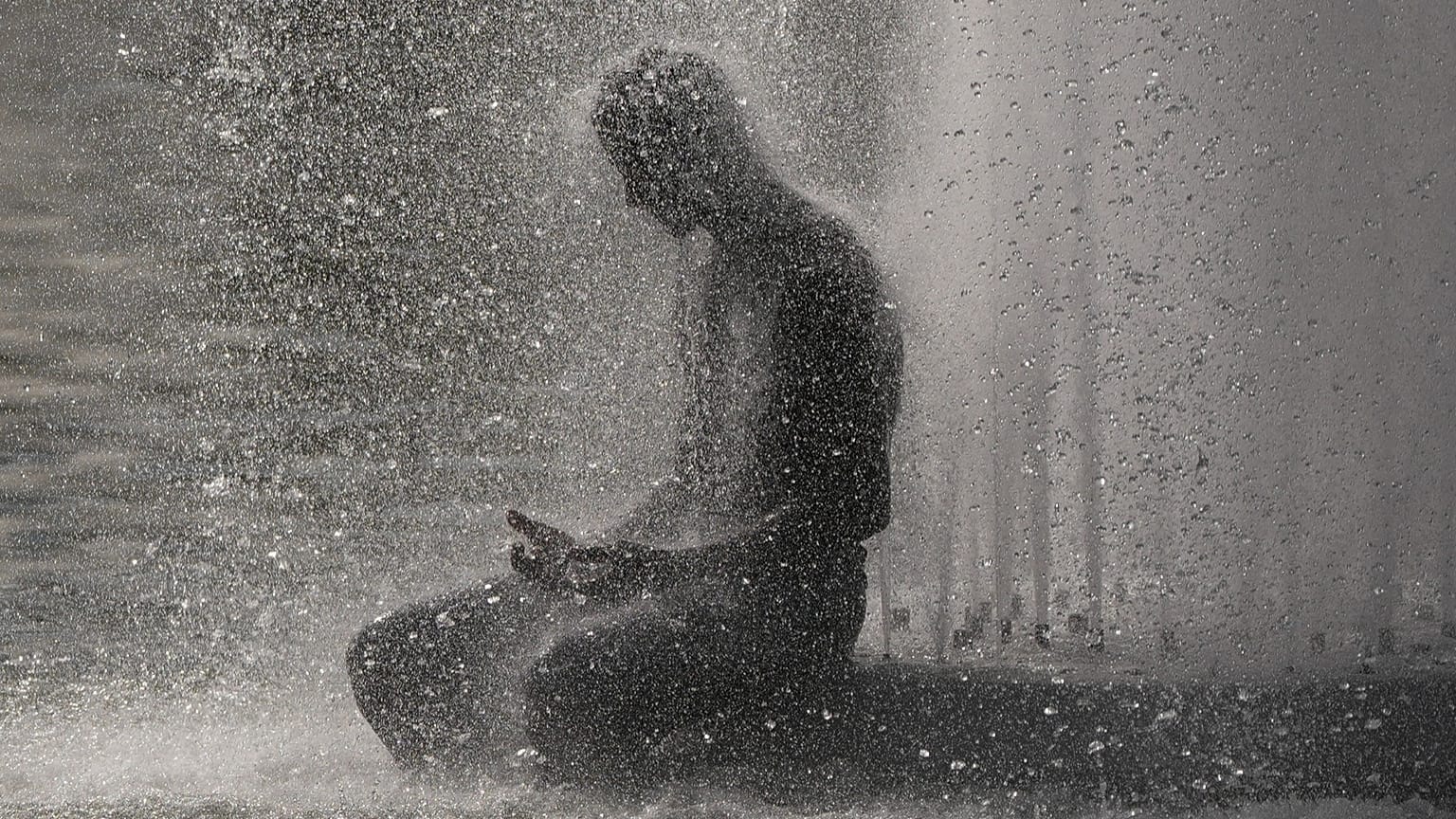














A series of heatwaves over the past three months, compounded by drought, have broken temperature records, caused thousands of excess deaths, and fuelled massive wildfires.
Nearly 70% of France is subject to water-use restrictions as drought conditions worsen amid successive heatwaves, the government said on Monday.
 ADVERTISEMENT
ADVERTISEMENT
ADVERTISEMENT
A series of heatwaves over the past three months, compounded by drought, have broken temperature records, caused thousands of excess deaths, and fuelled massive wildfires.
"As France is experiencing a particularly severe drought, the effects of climate change continue to increase pressure on water resources," the ministry for ecological transition said, adding that "nearly 70% of French territory is subject to restrictions on water use."
As of 9 August, the vast majority of mainland France, including Paris, was under at least the first water warning level, with 67 of the country's 101 departments under the highest crisis alert.
In areas subject to the highest alert, water is reserved for priority uses such as healthcare, civil protection, drinking water and sanitation.
Under lower alert levels, restrictions apply to activities such as watering gardens and green spaces, filling swimming pools, washing cars and irrigating crops.
In a further sign of the worsening drought across much of heatwave-pummelled Europe, two thirds of the aquifers that provide most of France's drinking water have dropped below their normal levels, the country's Bureau of Geological and Mining Research (BRGM) said on Monday.
The drawdown of groundwater reserves, common during the summer, is particularly pronounced this year "due to the shortfall in effective rainfall in July and the increase in water demand for various purposes", particularly in agriculture and tourism, the BRGM said.
July 2026 was the hottest month ever recorded in France and the third driest July in terms of precipitation, with a nationwide rainfall deficit of nearly 70%, according to national weather agency Météo-France.
Ecology minister Monique Barbut said on 27 July that drinking water supplies were "under strain in several areas," noting that tap water cuts were already affecting "more than 30,000 people," with drinking water supplied to residents by tanker trucks or bottled water.
The minister will convene a crisis meeting on the drought on Wednesday, which comes as France and swathes of Europe faces another heatwave.
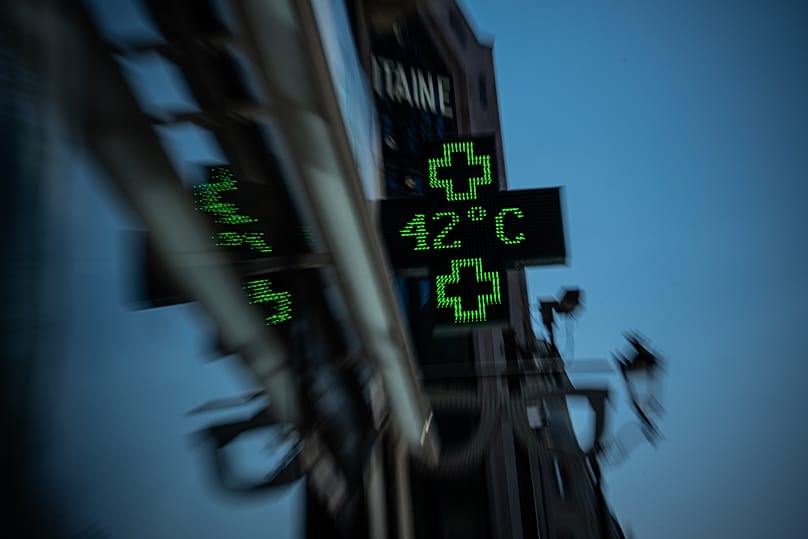
Météo-France warned on Monday the southeast would see temperatures as high as 35C, spreading further across the country as the week progresses.
Facing drought, what water policies are in place?
Water is gradually emerging as a key issue in the French presidential campaign. During a visit to Argelès-sur-Mer, Gabriel Attal chose to seize on the topic, saying he did not want to leave the issue "to the Greens and La France insoumise".
Jean-Luc Mélenchon had already taken up the issue of drought, with proposals likely to challenge the ecologists on their traditional ground.
The radical left candidate is notably proposing a new administrative division based on river basins, which he calls "eco-regions." In his view, this new structure would allow better management of water reserves.