
















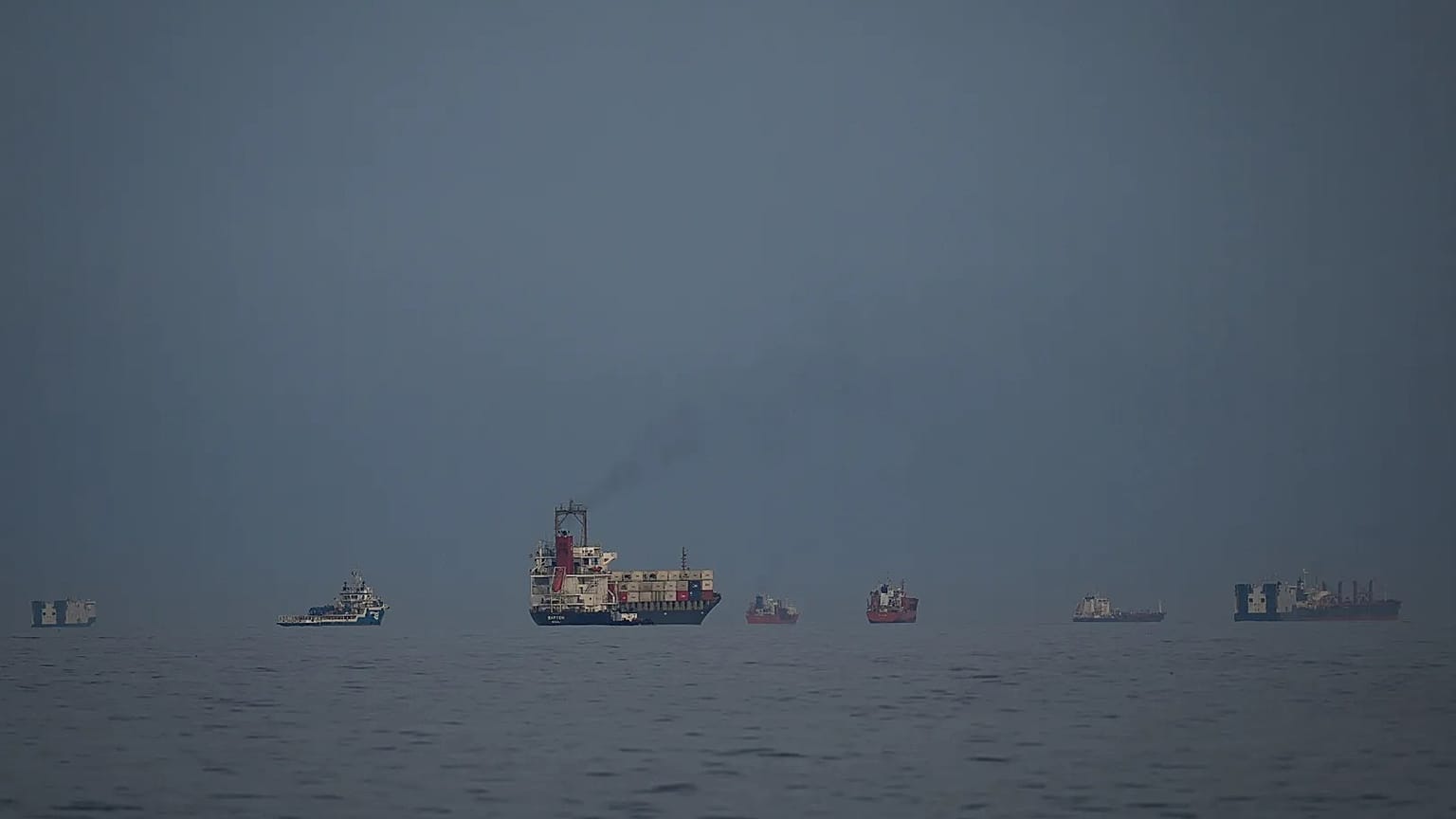













At least 21 ships have been hit, targeted or reported attacks since the start of the conflict, according to the UK Maritime Trade Operations, a naval monitor.
The head of the UN's maritime body urged "practical measures" to protect trade ships threatened by the Middle East war on Wednesday, as he opened an emergency meeting amid fears for thousands of stranded ships and seafarers.
 ADVERTISEMENT
ADVERTISEMENT
ADVERTISEMENT
The International Maritime Organisation, responsible for regulating international shipping safety, will discuss efforts to ease the shipping crisis during the two-day gathering at its London headquarters.
The IMO's 40-member council could vote on Thursday on several proposed resolutions, including one to "establish a safe maritime corridor to allow the safe evacuation of seafarers and ships stranded in the Persian Gulf."
However, if passed, resolutions are non-binding.
The meeting, open to all 176 member states as well as dozens of NGOs and maritime industry bodies, comes as Iran's retaliation to Israeli-US strikes cripples commercial shipping in or near the Strait of Hormuz.
That has left around 20,000 seafarers stranded on approximately 3,200 vessels west of the key maritime chokepoint, according to the latest information from the IMO.
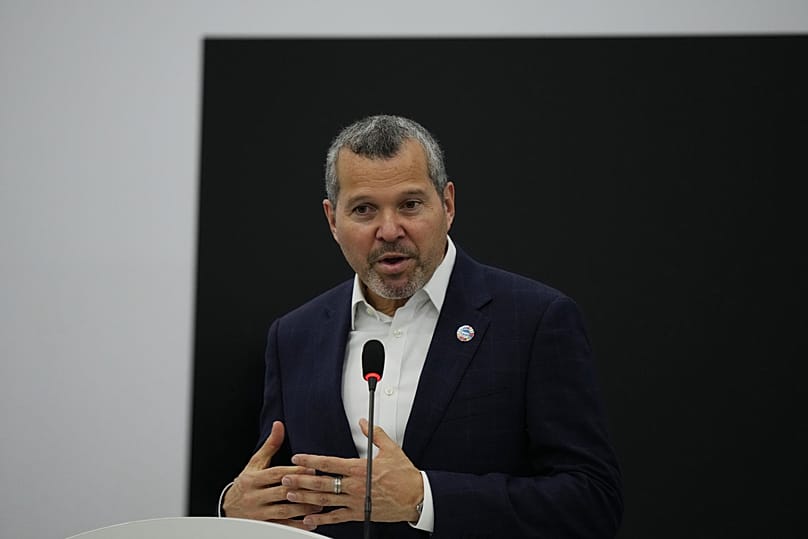
"This situation is unacceptable and unsustainable," IMO Secretary-General Arsenio Dominguez said as the gathering got underway, urging members to focus on "practical measures" to resolve it.
"Shipping has demonstrated time and again how resilient it is but geopolitics are testing the sector to the limit and every time that shipping is used as collateral damage in these conflicts, the whole world is negatively affected."
'Unjustifiable' attacks
Gulf states hit out at Iran in their opening statements.
"The United Arab Emirates expresses its rejection and condemnation in the strongest terms of...Iran's unprovoked, unjustifiable, indiscriminate and wholly unlawful attacks," the country's delegate said.
He said they "constitute a serious breach of our sovereignty, territorial integrity" and were "a flagrant violation of fundamental rules and principles of international law."
An effective Iranian blockade of the Strait of Hormuz, through which a fifth of global crude and liquified natural gas normally transits, has dramatically spiked oil prices and spooked markets.
Meanwhile at least 21 ships have been hit, targeted or reported attacks since the start of the conflict, according to the UK Maritime Trade Operations (UKMTO), a naval monitor.
Britain, France, Germany and a host of other countries including Gulf states have urged the IMO's council to adopt a declaration to "strongly condemn the egregious attacks" by Iran on its neighbours.
Noting Iran had "threatened and attacked commercial vessels and seafarers, as well as civilian maritime infrastructure", their proposal said the attacks were "unjustifiable and must cease."
They also urged similar condemnation of the "purported closure of the Strait of Hormuz" by Tehran.
'Safe evacuation'
In its submission Iran, which is an IMO member but does not sit on its council, blamed the "current deterioration of the maritime security environment" on the attacks by Israel and the US.
"The adverse maritime repercussions currently affecting shipping and seafarers are a direct and inevitable consequence of these unlawful actions and cannot be viewed in isolation from their underlying cause," it stated.
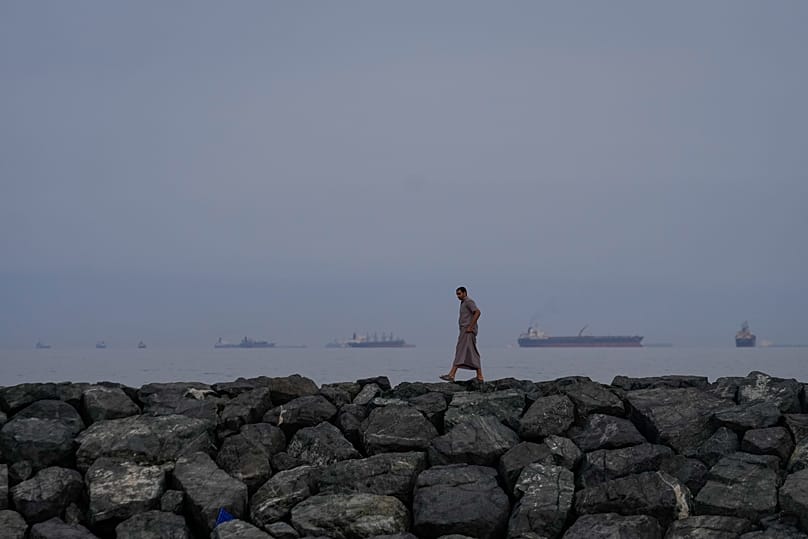
Separately, Japan, Panama, Singapore and the United Arab Emirates have urged the IMO to help "establish a framework to allow the safe evacuation of seafarers and ships stranded in the Gulf."
Meanwhile, maritime industry bodies have tabled a demand for a "coordinated international approach to security" while urging that "seafarer welfare must be taken into account."
They want measures to ensure their "communications with home can be maintained, crew changes and disembarkation can be facilitated, and the stores and provisions are adequate for the needs of seafarers."