

















BRUSSELS - The leaders of Serbia and Kosovo failed to resolve differences fuelling tension between the estranged Balkan neighbours during talks on Thursday, but they agreed to resume discussions ahead of a Sept. 1 deadline that could stoke further unrest.
 ADVERTISEMENT
ADVERTISEMENT
ADVERTISEMENT
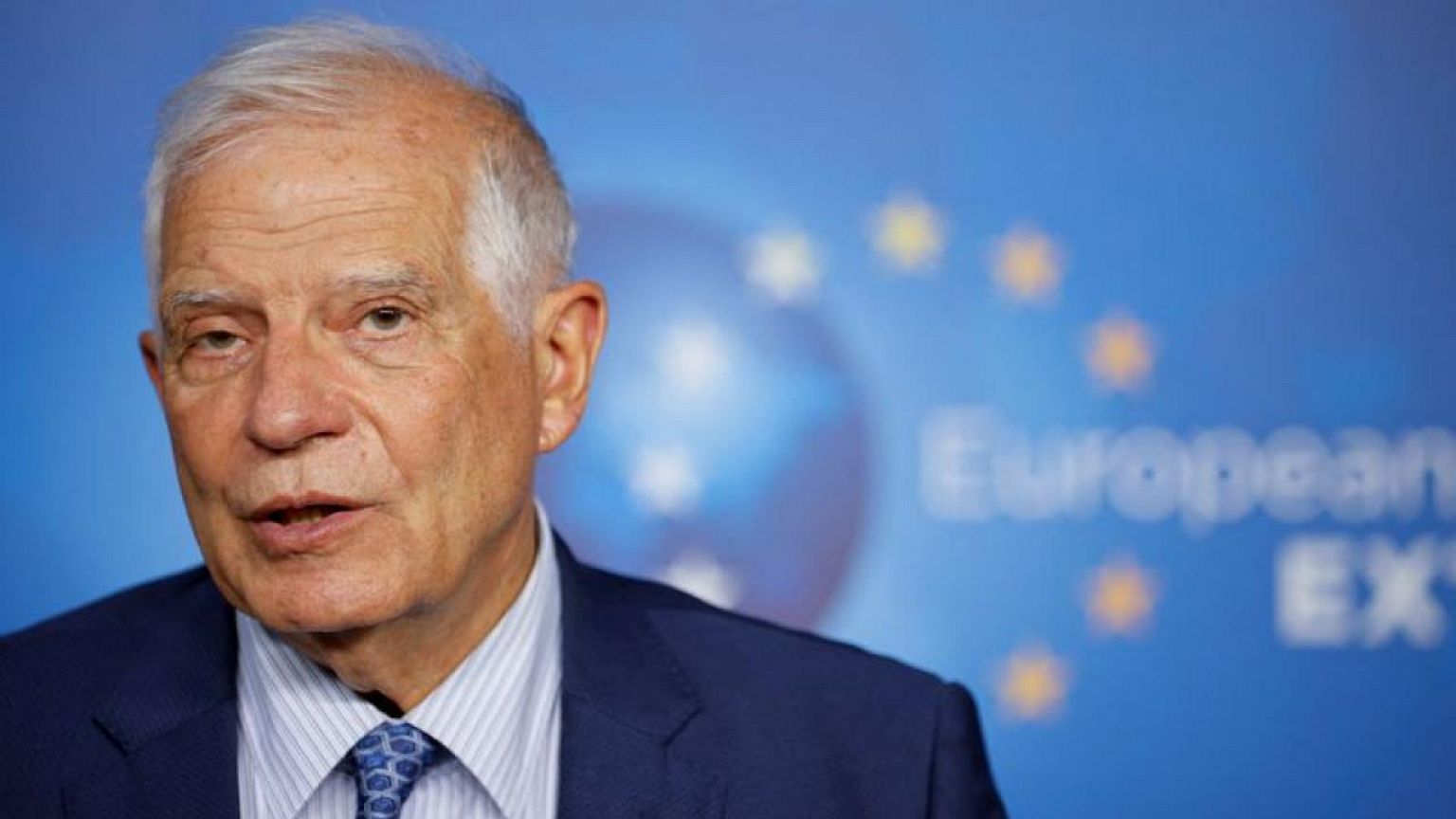
"Unhappily, we did not yet (come) to an agreement today," EU foreign policy chief Josep Borrell told reporters after several hours of closed-door talks in Brussels between Serbian President Aleksandar Vucic and Kosovo Prime Minister Albin Kurti.
"But it is not the end of the story. Both leaders agreed that the process needs to continue and the discussion will resume in the coming days," he added.
Tensions between Serbia and Kosovo flared this month when Pristina said it would oblige Serbs living in the north, who are backed by Belgrade and do not recognise Kosovo institutions, to start using car licence plates issued in Pristina.
The situation calmed after Kosovo Prime Minister Albin Kurti, under U.S. and European Union pressure, agreed to postpone the number plates rule until Sept. 1 and NATO peacekeepers oversaw the removal of roadblocks set up by Serbs.
"There is still time until September 1, I don't give up," Borrell said after the talks that were facilitated by the EU.
Borrell said he told the leaders that, with war raging in Europe, now was a moment to seek peace and stability, not air longstanding differences.
"This happened when we are in a critical time for Europe," he said. "We see the return of war to our continent after the Russian invasion of Ukraine. We are facing a dramatic and very dangerous moment for our continent."
Kosovo won independence from Serbia in 2008, almost a decade after a guerrilla uprising against repressive Belgrade rule.
Serbia legally still considers Kosovo an integral part of its territory. It denies whipping up tensions and conflict there, and accuses Pristina of trampling on the rights of minority Serbs. Ethnic Serbs account for 5% of Kosovo's 1.8 million population, which is 90% ethnic Albanian.
"A difficult day is behind us," Vucic said in a statement on his Instagram profile. "I will refrain from any further comments because I hope that we will be able to reach a compromise in the coming days."
Vucic said that he would address the nation in the next 48 hours.
NATO has increased its presence in the north part of the country, and a Reuters witness on Thursday saw U.S. and Polish troops patrolling two roads leading to the border with Serbia.
A NATO spokesperson said the posture of its Kosovo Force (KFOR) was aimed at ensuring peacekeepers could react swiftly to any security challenges.
"We would like to assure everyone that KFOR is ready to intervene if necessary," the spokesperson said.