












The Chubu region, situated in central Japan between the major hubs of Tokyo and Kyoto, offers travelers a profound opportunity to experience history through the life and legacy of TOKUGAWA Ieyasu (1543-1616), the founder of the Tokugawa Shogunate (1603-1867).
 ADVERTISEMENT
ADVERTISEMENT
ADVERTISEMENT
Ieyasu is celebrated as the leader who successfully unified Japan after more than a century of conflict, ushering in an era of peace that spanned over 250 years. He fundamentally shaped the nation’s political, cultural and daily life during the Edo period (1603-1867).
Today, Chubu serves as the authentic setting where the past continues to resonate through meticulously preserved castles, museums and distinct regional cuisine.
The contemporary world’s fascination with this era—exemplified in a recent streamed video series, which was inspired by a novel written by James Clavell—highlights the enduring appeal of the samurai world.
A treasury of Daimyo culture: the Tokugawa legacy
The city of Nagoya, the administrative heart of the Chubu region and a treasure trove of the Tokugawa legacy, is easily reached by the bullet train from Tokyo in approximately one hour and 40 minutes.
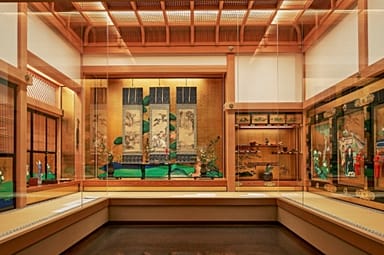
There, visitors can enjoy the Tokugawa Art Museum, a cornerstone of the region’s heritage. Founded in 1935 by TOKUGAWA Yoshichika, the 19th head of the Owari Tokugawa family, the museum is dedicated to safeguarding and exhibiting more than 10,000 artefacts once owned by this powerful lineage.
The Tokugawa Art Museum’s collection, which includes nine objects designated as National Treasures, is a showcase of the refined lifestyle enjoyed by daimyo (feudal lords).
Within the museum, one can examine meticulously crafted swords, imposing suits of armour, elegant tea ceremony utensils and elaborate furnishings that were part of daily life for the elite.
The objects are significant not only for their artistic merit but also their profound spiritual importance.
As NAMIKI Masashi, Curatorial Department Manager at the institution, explains: “The Tokugawa Art Museum is a private art museum that opened in 1935, the 10th year of the Showa era (1926-1989). ”
“There were many warlords and figures during the Sengoku period [Warring States period, in the 15th and 16th centuries], but no one left behind as many possessions as TOKUGAWA Ieyasu.” Ieyasu’s descendants ensured their preservation to the present day.
The Tokugawa Art Museum also functions as a crucial resource for understanding Ieyasu’s political achievements and the very character of the family he founded.
Nagoya Castle: the symbol of a new era
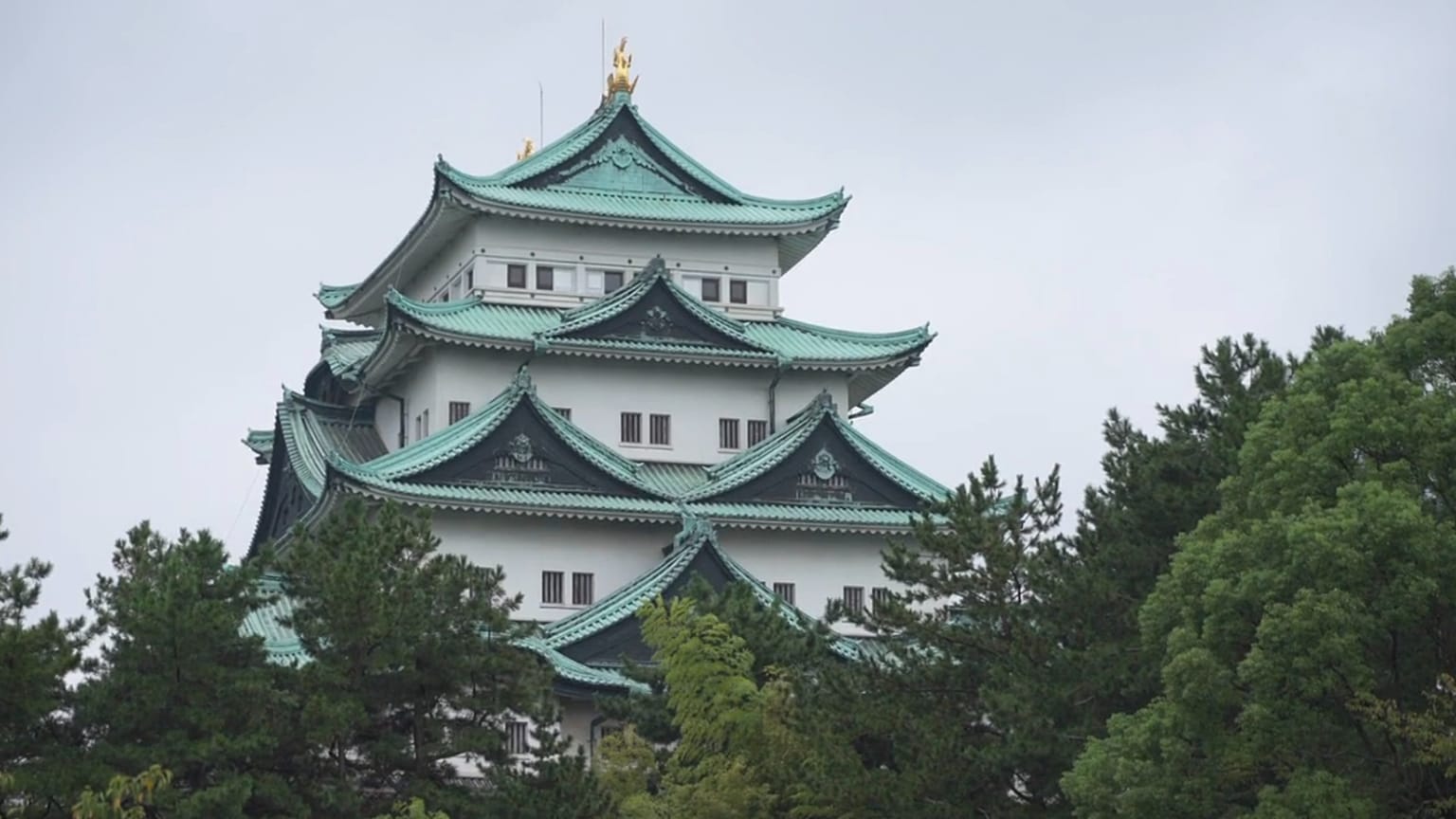
Located nearby is Nagoya Castle, another towering monument and symbol of the Edo period (1603-1867). The castle was commissioned by TOKUGAWA Ieyasu himself as a residence for his son.
Nagoya Castle was constructed as a grand national project with the overarching goal of establishing a new, peaceful order for the entire nation.
Visitors to Nagoya Castle can explore its grounds and see the artefacts within, connecting the historical and familial narrative presented at the museum with the political power the castle represents.
Curator NAMIKI hopes the museum and castle will be an opportunity for visitors to reflect on the era: “I hope that I can convey this information in an easy-to-understand way, even to young children who will be coming up in the future,” he says.
NAMIKI’s comments underscore a desire at the Tokugawa Art Museum to make this history as accessible as possible to a global audience, opening a window into the past and present of the Chubu region.
How to get there
Tokyo → Nagoya Station (approx. 1 hour 40 minutes by Shinkansen bullet train) → Tokugawa Art Museum (approx. 30 minutes by bus + approx. 3 minutes on foot)
Click here for more information.
Stepping into History: the Samurai experience
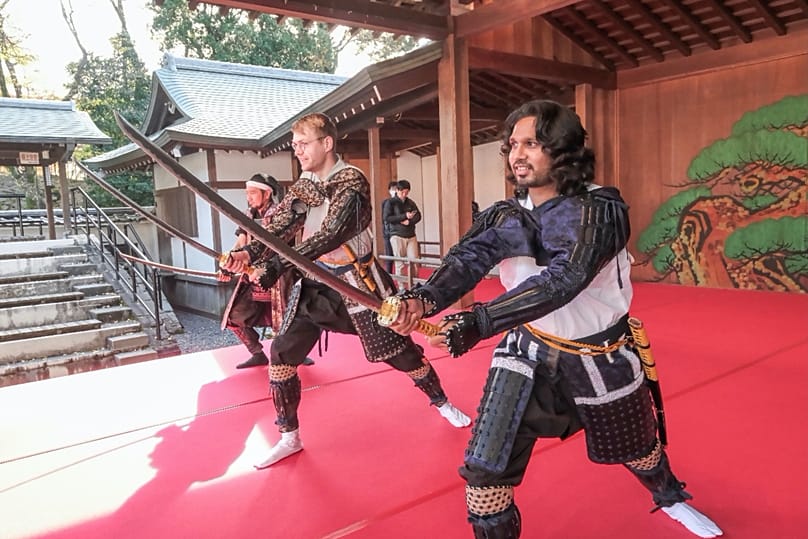
The legacy of the samurai is not limited to museum displays; it is a living history that visitors can actively engage with today. Indeed, one way to appreciate the heritage of the Tokugawa clan is to visit Okazaki, the birthplace of TOKUGAWA Ieyasu and home to Okazaki Castle.
Scattered throughout the city are many locations directly related to Ieyasu’s early life, including a plum-colored pond where, according to local tradition, the infant Ieyasu was ritually washed.
For an immediate and immersive encounter with samurai culture, various events are held near the castle ruins.
One activity is available at the Ieyasu and Mikawa Bushi Museum, situated within Okazaki Castle grounds. Here, visitors are given the unique opportunity to wear a full suit of samurai armour.
You can take part in mock sword-fighting with members of the Great Ieyasu Kou Aoi Bushotai, a performance theatre troupe that puts on a show, allowing visitors to relive scenes from Ieyasu’s era.
This hands-on experience allows individuals to feel the weight and structure of the armour, offering a physical connection to the life of the warriors who served the powerful daimyo of the Chubu region.
Nagoya Meshi: a distinct regional cuisine
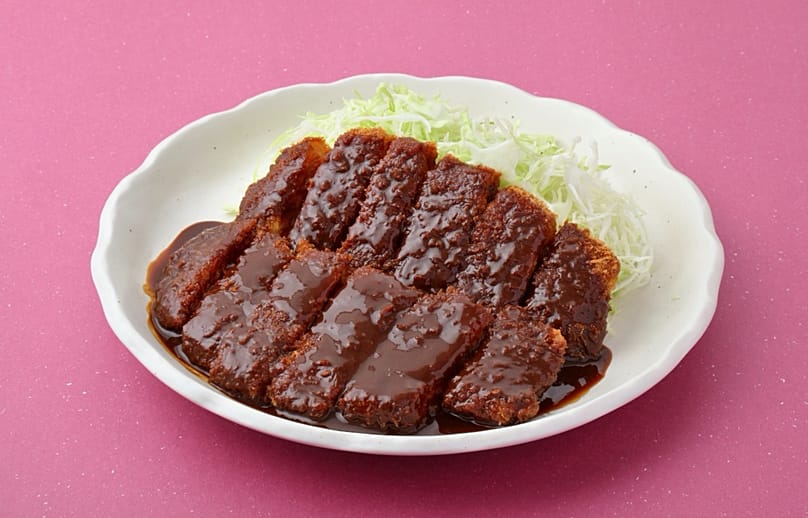
Exploring the Chubu region’s heritage is complemented by its culinary culture, known locally as Nagoya meshi.
This distinctive cuisine is a point of pride for the region, having developed unique flavor profiles and preparation methods that set it apart from other Japanese regional cooking traditions.
Nagoya meshi often features rich, savory flavors centered around a local variety of miso (fermented soybean paste).
One famous example of this cuisine is miso-katsu, a deep-fried pork cutlet that is not served with the typical Japanese tonkatsu sauce, but rather drenched in a thick, dark and deeply savory miso sauce.
Visitors to Chubu can enjoy miso-katsu, served with rich red miso sauce, at Misokatsu Yabaton, a Nagoya-based eatery. Their menu features deep-fried seafood, vegetables and rice bowl dishes, highlighting the region’s unique miso flavor.
Specialties such as miso-nikomi udon noodles, hitsumabushi grilled eel and Nagoya Cochin chicken, are also offered at the restaurant.
Hitsumabushi is traditionally meant to be eaten in three different ways: first plain, savoring the eel’s natural flavor and glaze; second, mixed with condiments (yakumi) such as wasabi and spring onions; and finally, by pouring hot broth or tea over the mixture to enjoy it as a type of savory porridge (ochazuke).
Taken as a whole, Nagoya meshi provides the perfect accompaniment to a day spent exploring history, offering rich flavors that reflect the depth and unique character of the Chubu region itself.
Living history in Chubu
A journey to Chubu offers an ideal blend of historical education and cultural engagement, including walking the halls of the Tokugawa Art Museum, exploring the grounds of Nagoya Castle and donning samurai armour in Okazaki.
Visitors, furthermore, can savor the unique flavors of the region’s cuisine, called Nagoya meshi, as part of the mix of recommended cultural and culinary activities and experiences.
In doing so, travelers may gain a comprehensive understanding of the samurai era and the lasting heritage that it helped to usher in, especially the harmonious coexistence of past and present.