













The Kanto region, defined by the expansive Greater Tokyo Area, is recognised for its dynamic modernity, towering architecture, advanced technology and bustling commerce.
 ADVERTISEMENT
ADVERTISEMENT
ADVERTISEMENT
Yet, beneath this contemporary exterior lies a deep historical foundation stemming from its time as Edo, the administrative capital of the Tokugawa Shogunate from the Edo period (1603-1867).
This rich history is physically preserved through the Edo Shogun Roads, a network of ancient highways that continues to shape the region’s culture, cuisine and enduring artisanship today.
Experience techniques passed down from the Edo Period
The Edo Shogun Roads is an umbrella term referring to road networks starting from Edo, in particular the well-known Gokaido (Five Highways) and the lesser-known byways (wakiokan).
While the origins of wakiokan vary, the Edo Shogun Roads were established early in the seventeenth century to connect Edo (Tokyo today) with the far reaches of Japan.
These routes were far more than infrastructure; they were the arteries that facilitated political control, fostered economic exchange and cemented a unique culture of travel and hospitality.
The starting point of the Edo Shogun Roads—the Tokaido, Nakasendo, Nikko Kaido, Oshu Kaido and Koshu Kaido—remains the district of Nihonbashi in central Tokyo.
Historically known as the “Bridge of Japan,” Nihonbashi served as the official zero milestone from which all distances were measured across the nation.
Crucial to the function of the Edo Shogun Roads was the sankin-kotai system, the mandatory alternating residence requirement for feudal lords (daimyo).
This system necessitated regular, large-scale processions travelling to and from Edo, leading to the establishment of strategically important shukuba (post towns) along every route.
These post towns, built to provide lodging, provisions, and administrative control, became vibrant hubs of trade and craft industries.
This historical character defines the routes even today. Ruth Marie JARMAN, CEO of Jarman International and Advisory Council Member, Edo Shogun Roads project, describes the unique atmosphere that pervades the routes.
JARMAN says, “The original Edo period has that feeling of history, of tradition, of community, of craft, and a deep appreciation for nature.” She adds that this historical character “is still alive today” along all five of these roads.
Many of these post towns, located just beyond the immediate urban sprawl of modern Tokyo, preserve their distinct historical atmosphere, offering visitors a tangible connection to the past.
Nihonbashi: the origin point of artisanship
Nihonbashi, with its iconic bridge, served as the physical and metaphorical start line for all five major routes. As the central hub of trade and administration, it drew goods and skilled artisans from across the country.
Many businesses founded during this period continue to operate in the same area today, preserving techniques that have been passed down through generations.
At the Nihonbashi Glass Workshop, visitors can experience Kiriko glass engraving, where participants cut intricate patterns into glass, learning directly about a technique with a long-standing history in Japan.
An instructor at Nihonbashi Glass Workshop advises: “Focus on applying consistent pressure when engraving. The key is to avoid moving the engraving tool while pressing firmly, allowing the design to develop steadily and accurately.”
A separate workshop at the center invites guests to try furoshiki (a wrapping cloth) tie-dyeing, using a distinctive method called Yume Shibori to create vibrant cloths, traditionally used to wrap and carry goods.
Meanwhile, Hanashyo, which was founded in 1946 by KUMAKURA Mokichi in Kameido, Tokyo, preserves and innovates the traditional glass-cutting art of Edo Kiriko.
Once an exporter, the workshop shifted to direct sales in the 1990s, introducing modern designs under the second generation owner. Today, KUMAKURA Ryuichi expands the craft through jewellery, lamps and collaborations with other entities.
Located in historic Nihonbashi, Edo Kiriko’s birthplace, Hanashyo also runs Japan’s first artisan-led Edo Kiriko school.
Shop Director KIRA Tamae emphasizes the importance of hands-on learning: apprentices, often with decades of experience, refine their skills by observing masters and crafting countless pieces, ensuring this Edo tradition continues to evolve.
Washi paper and sake: born from the satoyama landscape
Moving northwest from Tokyo and accessible by train, the region surrounding Ogawa Town in Saitama Prefecture offers a picturesque view of Japan’s satoyama (rural mountain foothills) landscape.
It’s worth noting that Ogawa Town itself is located along the Kodama Kaido, which was a wakiokan road, along which post towns were established.
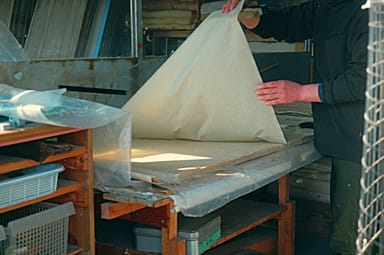
This area is a celebrated hub for crafts that rely intimately on the pure natural resources flowing from the mountains. Indeed, Ogawa Town is a leading centre for the production of Ogawa Washi, a variety of handmade paper.

This craft uses local materials such as kozo (mulberry paper bush), tororo aoi (sunset hibiscus), and, most critically, the clear, pure river water sourced from the surrounding mountains.
The process requires highly technical skills and attention to detail, resulting in paper known for its durability and beautiful texture.
Visitors can participate in hands-on workshops to appreciate the intricate methods— that have been preserved through generations—used to make the paper.
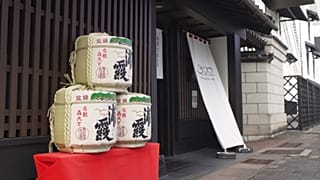
The same abundant, clean water that sustains the delicate art of washi paper making also forms the basis of the region’s distinctive sake brewing tradition.
Ogawa Town and its surroundings are home to several historic breweries that draw on deep water sources and use locally cultivated rice varieties to produce sake recognised for its clarity and refined flavour profile.
A tour of a local brewery offers insight into this blend of water resource management and traditional fermentation techniques.
The harmony between these two seemingly different crafts, namely paper making and sake brewing, is a powerful illustration of how local resources and tradition shape the culture and economy of the satoyama.
The enduring elegance of Chichibu-Meisen
Further into Saitama Prefecture, about two hours northwest of central Tokyo by train, lies Chichibu City, a destination renowned for its historical streets and a distinctive textile tradition.
This city, which was a post town located along the Chichibu Okan, a wakiokan road, is the historical home of Chichibu Meisen, a style of silk weaving.

Chichibu Meisen, which originates in the Edo period, became popular in Japan during the late 19th to early 20th centuries.
This weaving method is distinguished from more formal kimono weaving by its bold, bright patterns and striking colours, making it highly suitable for everyday or casual wear.
Chichibu Meisen involves dyeing the threads before they are woven, often creating a subtle, blurred effect that gives the finished fabric a vibrant depth.
This innovative technique helped modernise silk production and made stylish, high-quality silk accessible to a broader population.
Today, visitors can enjoy strolling through the town, which still retains the atmosphere of an old post town, while wearing Chichibu Meisen and exploring the many local shops offering original kimono pieces, smaller accessories and more.
The preservation of the Chichibu Meisen tradition, alongside the town’s architecture, highlights the area’s ability to sustain traditional craftsmanship while adapting to contemporary tastes.
The legacy of the highways
The enduring presence of the Edo Shogun Roads and the traditions they fostered offers a profound counterpoint to the rush of modern life in the Kanto region.
The crafts, cuisine and architecture that survive today are not relics but a continuously operating legacy of the Edo period. The importance of this heritage is clear.
As Advisory Council Member JARMAN observed, “The Edo Shogun Roads represent more than just old roads; they are pathways of resilience that fostered the very identity of the Kanto region.”
“The communities along them,” she adds, “learned to sustain high-quality craftsmanship and a unique culture of hospitality that still welcomes travellers today.”