Warnings for extreme conditions have been issued across most of the Balkans, as authorities warn of a return to sweltering heat that has swept across Europe this summer.
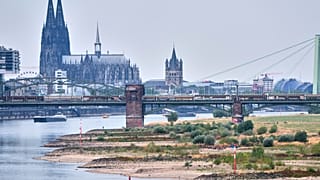
The heatwaves and drought have fuelled a historically hot summer in Europe, contributing to a spike in heat-related mortality in the worst-hit countries.
Around 350 firefighters and other emergency personnel remain deployed in the effort, as do the many farmers who mobilised in support of the operation since last week.
In Champagne, the grape harvest began as early as mid-August, unprecedented for some growers, after heat and drought sped up ripening and forced them to change their methods.
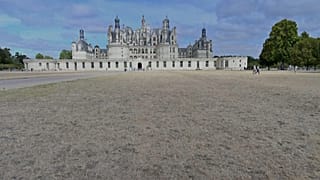
In France, drought and heatwaves are clearly visible at its historic chateuax. The parched vegetation is forcing gardeners to rethink landscapes and consider new plant species.
The heat-stress season is getting longer. And heatwaves don’t just affect us during the day. Researchers are increasingly warning about the consequences of hotter nights for sleep and health.
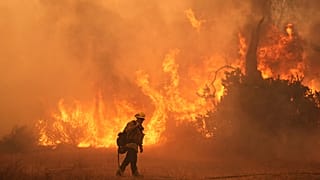
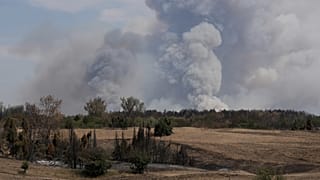
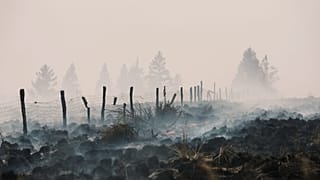
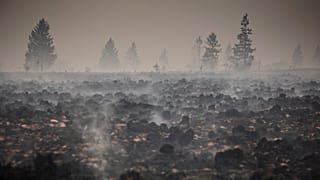
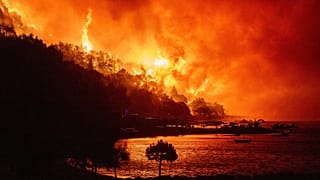
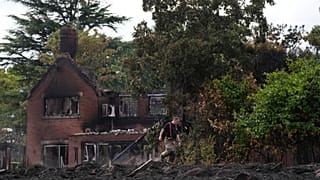
Europe has been swept by weeks of devastating wildfires fuelled by dry conditions and a historically hot summer, with France, Greece, Portugal and Spain also battling major fires.
Heatwaves are becoming more frequent and severe - but a new study finds that 41% of people who saw heat-health alerts in England took no protective action. Why aren't warnings translating into action?
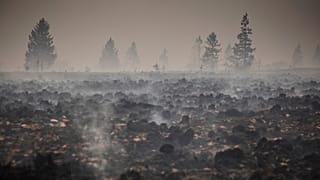
A historically hot summer on the planet's fastest-warming continent has contributed to the deaths of thousands of people and increased the risk of wildfires, with blazes periodically sweeping through parched landscapes.
The West Midlands, alongside nearly three-quarters of England, is in drought after weeks of high temperatures and scant rainfall, increasing the risk of fires.
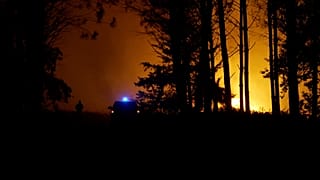
France evacuated about 500 people from the village of Luglon on Thursday, 13 August, as a fast-moving wildfire swept through drought-hit pine forest in the Landes.
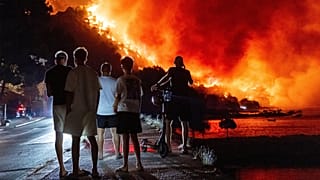
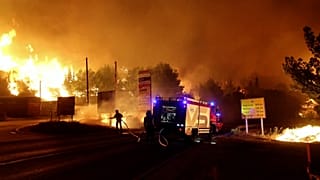
Croatia is battling a wildfire that swept through vegetation and homes in Lokva Rogoznica on Thursday, 13 August, forcing about 1,000 residents and tourists to evacuate.