

 ADVERTISEMENT

Economy
Eurozone private sector slips into contraction as services falter
Eurozone private sector contracted in May, with Composite PMI falling to 49.5. Services saw their sharpest drop in 16 months, while manufacturing stabilised. Business confidence hit a 19-month low, reinforcing expectations for further ECB rate cuts.




Economy
Week ahead: Eurozone inflation, Apple and Meta earnings in focus
It is set to be a busy week for financial markets, with key economic data, including the eurozone’s flash inflation figures for April and the US non-farm payrolls, due for release. Additionally, big tech earnings, particularly Apple’s quarterly results, will be closely watched.


Economy
Eurozone economy stalls in April as tariffs rattle services activity
Eurozone economy stagnates in April as trade tensions drag services sector into contraction. PMI data show Germany's resilience in manufacturing, while France's downturn deepens. Easing inflation pressures may support ECB rate cuts


Economy
Greece unveils €1bn in benefits after posting 1.3% budget surplus
Greece’s prime minister on Tuesday announced €1 billion in financial benefits for lower-income households and the public investment program, after the country became one of the few European Union members to post a budget surplus in 2024.

Markets
Markets this week: Tesla, Microsoft and Alphabet earnings in focus
Investors will closely watch the trajectory of global business activity in the manufacturing and services sectors this week. Meanwhile, major US tech companies—including Tesla, Microsoft, and Alphabet—are set to report first-quarter earnings, driving the market movements.

Economy
Why economists believe the ECB will keep on cutting interest rates
Economists predict that the ECB will continue its rate-cutting cycle as global trade tensions rise and eurozone growth slows. Markets expect up to 75 basis points of easing by September, pushing the deposit rate down to 1.5%.
Economy
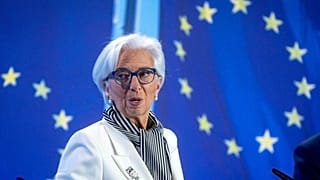
ECB's Lagarde: Trade tariffs are a negative shock for the eurozone
Lagarde said the ECB’s rate cut reflected confidence in disinflation and rising growth risks from tariffs, which are set to weigh on demand. The bank dropped its “restrictive” stance and stressed a data-driven, flexible approach.