





























Chinese state subsidies have hit record levels, climbing to nearly 10% of company revenue in the chip sector and distorting markets, according to a new OECD report, published as the EU mulls new measures to counter Beijing's aid.
Chinese companies received between three and eight times more subsidies than Western firms between 2005 and 2024, according to a report published on Monday by the Organisation for Economic Co-operation and Development (OECD).
 ADVERTISEMENT
ADVERTISEMENT
ADVERTISEMENT
The findings come as European policymakers struggle to stem a wave of low-cost Chinese imports across sectors ranging from metals and chemicals to cars and green technologies.
Last week, the European Commission held an “orientation debate” in Brussels and concluded that “the current state of the trade and investment relationship [with China] is not sustainable."
The OECD warned that state aid risked tipping the playing field. “Large and persistent industrial subsidies can distort global markets, creating unfair competitive advantages and contributing to excess supply capacity,” said OECD Secretary-General Mathias Cormann.
The report said Chinese firms benefit from state support through grants and below-market borrowings (BMB), with the latter “proving especially large.”
That support is enabled by “the structure of the country’s financial system, notably the fact that most corporate loans are issued by state banks and policy banks at rates close to China’s one-year lending benchmark,” the report said.
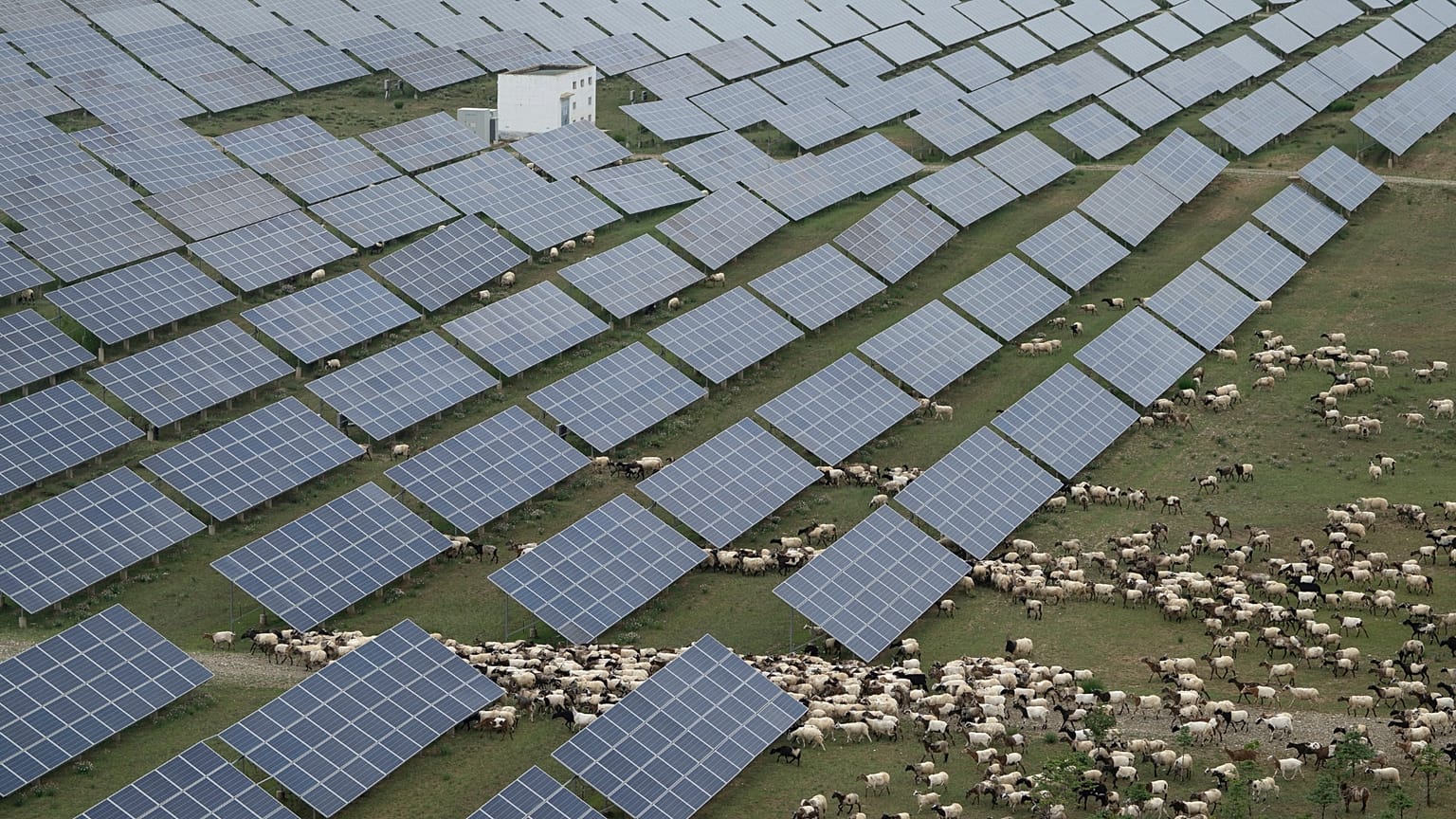
Global state subsidies are concentrated in sectors including solar panels, semiconductors and heavy industries such as steel and aluminium.
The average aid for wind turbines stood at 1% of global company revenue over the 2005-2024 period. For Chinese companies, however, subsidies have been “consistently” above 2% over the past 15 years and exceeded 5% in “multiple” years.
Support is even more pronounced in semiconductors. While subsidies averaged 2% of firm revenue globally, “for firms based in China, subsidies reached nearly 10% of firm revenue in 2021 and 2022,” the OECD said.
The EU says some Chinese subsidies are unfair trade practices, and is investigating products on a case-by-case basis. In 2022, it also adopted the Foreign Subsidies Regulation, allowing the Commission to probe foreign companies receiving state support when engaged in mergers or public procurement procedures in the bloc.