













Environmental leadership helps Costa Rica expand its global reach, partnering with digital platforms and retail stores to promote its premium agricultural products in international markets.
 ADVERTISEMENT
ADVERTISEMENT
ADVERTISEMENT
Across global food markets, consumer expectations are shifting. Sustainability, traceability and production standards increasingly influence purchasing decisions, particularly in Europe, where shoppers are paying closer attention to where their food comes from.
Digital marketplaces are increasingly at the heart of these consumer decisions, connecting Costa Rica’s value proposition directly to international buyers and opening new opportunities for agricultural exporters.
With more than three decades of environmental leadership and number one in Latin America in Yale’s Environmental Performance Index 2024, Costa Rica is well placed to meet rising demand for responsibly produced food – from deforestation-free coffee to sustainably produced bananas – while leveraging digital platforms such as Amazon to ensure its high-quality agricultural exports reach international consumers.
The effort forms part of a broader strategy to increase Costa Rica’s international presence while responding to growing consumer demand for transparency and responsible production practices.
Costa Rica’s most recent European campaign named “Producers of Well-being”, combined online promotion with direct consumer engagement.
Its launch into the global digital marketplace was made possible through a partnership with Amazon Ads Brand Innovation Lab, promoting Costa Rican products across the Amazon ecosystem including Fire TV, Amazon Prime, online brand stores, Amazon Fresh bags, Amazon Lockers and Alexa in the UK, Spain and Germany.
“The main innovation of this campaign is to support Costa Rica’s agribusiness sector through a B2C strategy in key markets, with direct communication to the end consumer to educate and promote the consumption of Costa Rican products not only for their quality, but also for their origin. Under the concept of Producers of Wellbeing, we reach consumers in their everyday lives: on their way to work on the subway, in the air through airlines, on their phones through digital presence, in their homes via Alexa and Fire TV, and at points of sale through tastings and in the lockers where they pick up their Amazon purchases,” said Adriana Acosta, Director of essential COSTA RICA.
At the same time, the campaign extended into physical retail spaces, hosting in-store activations and tastings across major European supermarket chains such as Tesco and Morrisons in the United Kingdom, Ahorramás and Bonpreu in Spain, and Handelshof in Germany.
A digital campaign and influencer collaborations in Spain and the UK also introduced new audiences to Costa Rican ingredients while demonstrating how products such as pineapple, cassava and bananas can be used in everyday cooking.
Also, the strategy was further amplified through high-impact activations in high-traffic urban spaces such as London’s Waterloo Station, as well as across international platforms in key markets throughout the Americas and Europe. This presence in public spaces, international airlines, and digital environments generated nearly 88 million impressions, reinforcing the campaign’s visibility in consumers’ daily lives and strengthening their connection with Costa Rican products.
Together, these initiatives aimed to bring the story behind Costa Rican products — from sustainable farming practices to their origins — directly to consumers.
The “Producers of Well-being” campaign reached more than 40 million people across the Americas, Europe, Asia and the Middle East, successfully positioning Costa Rican products in strategic markets.
Combining educational content, recipes and practical cooking tips with an organic visual identity, the campaign sought to highlight the connection between Costa Rica’s products and its environmental stewardship.
By integrating digital marketing with real-world experiences, the strategy illustrates how agricultural exporters can use storytelling and technology to strengthen their global brand.
“This initiative highlights the importance of evolving trade promotion tools and supporting the export sector with strategies aligned with the new dynamics of global consumption, where sustainability, origin, traceability, and the values behind products are becoming increasingly decisive. ”, said Adriana Acosta, Director of essential COSTA RICA.
Sustainability as a competitive advantage
More than a branding initiative, Costa Rica’s agricultural strategy is closely tied to its environmental one.
The country is the exporter with the lowest CO₂ emissions intensity per dollar in Latin America and has developed a regulatory framework with more than 30 environmental protection laws, including a mandatory Environmental Impact Assessment system, to protect citizen health and wellbeing, while helping reduce risks for investors.
This strong environmental foundation is increasingly reflected in Costa Rica’s export performance. In 2024, Costa Rica became the first country in the world to ship deforestation-free coffee to Italy (UNDP), marking a milestone in international coffee trade and reflecting the growing importance of sustainability in global supply chains. Similary, the banana industry illustrates how deeply sustainability is embedded in production practices.. Costa Rican bananas are the only ones in Latin America with a geographical indication seal, while 63 per cent of farms operate as carbon-neutral.
Despite banana exports achieving €1 billion (USD$1.189 billion) in value in 2024 – equivalent to 33 percent of the country’s total agricultural exports and 1 per cent of GDP – Costa Rican banana farms occupy less than 1 percent of Costa Rica’s territory, serving to protect more than 14,500 hectares of forest and recycle all plastics used in production (CORBANA).
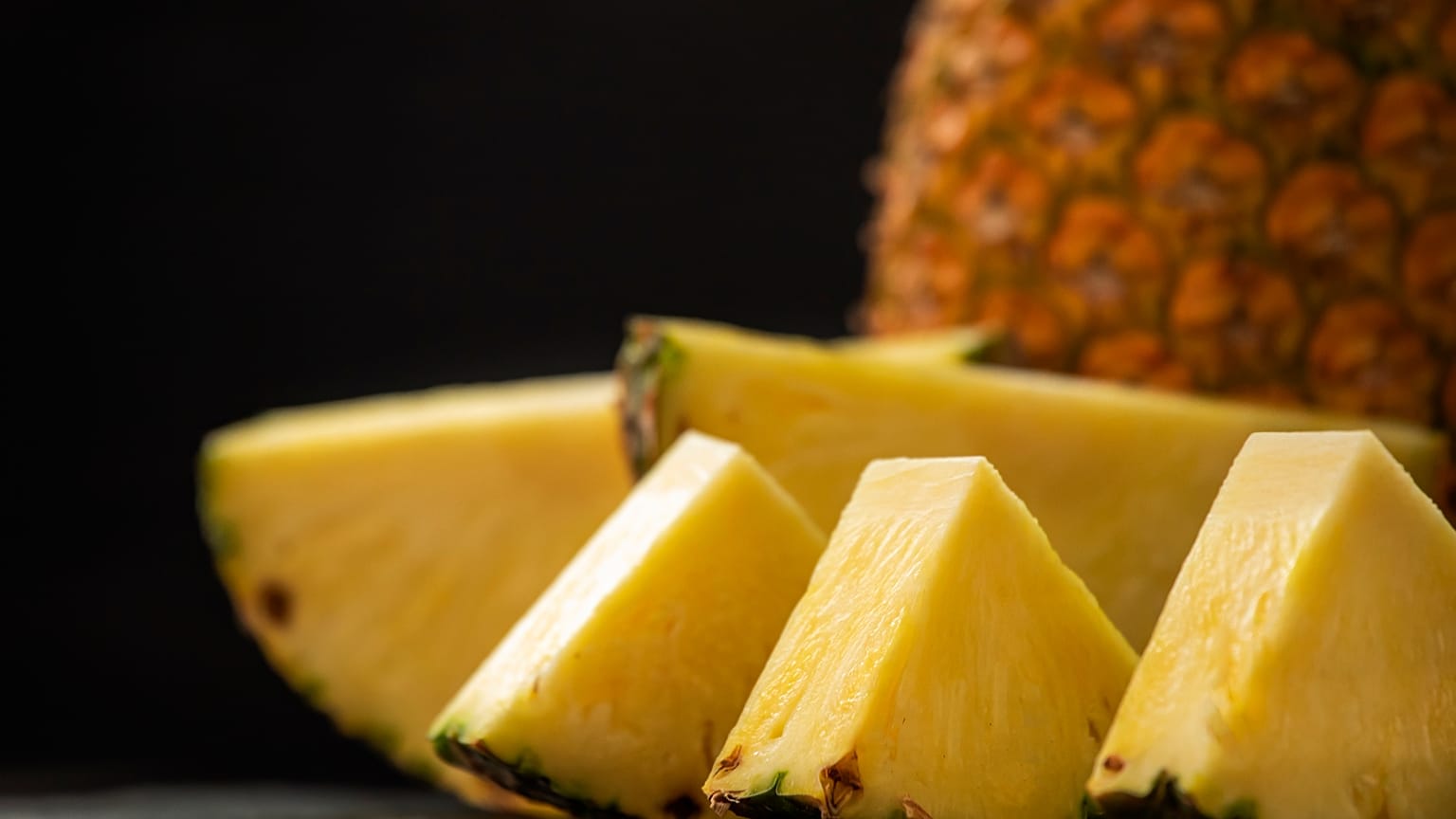
At the same time, innovation continues to reshape other segments of Costa Rica’s productive landscape. Pineapple production, for instance—where the country stands as the world’s leading exporter—reflects this transition toward more circular, efficient, and value-added models, integrating sustainability, technology, and resource optimization across the value chain.
Against this backdrop, Costa Rica is also redefining how its agricultural exports are positioned in global markets. As global food markets continue to evolve, Costa Rica’s combination of sustainability credentials, targeted marketing and digital distribution is helping its agricultural products stand out in increasingly competitive international markets.
Through partnerships with digital platforms, in-store promotions, and direct consumer engagement, the country is not only expanding the reach of its exports but also reshaping how its products are perceived — from commodities to premium foods defined by quality, environmental responsibility and origin.