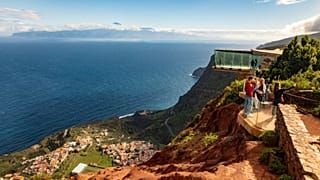













The most magical of the Canary Islands offers outsized natural attractions — a place where mist lingers in prehistoric forests, steep valleys carry the whistles of local wisdom, and the Atlantic laps softly on all sides.
 ADVERTISEMENT
ADVERTISEMENT
ADVERTISEMENT
Blessed with a temperate, spring-like climate year-round, La Gomera is ripe for outdoor exploration in every season. Here, you can truly appreciate the majesty of nature, crossing moss-covered trails, uncovering secret black-sand beaches, and scaling rugged cliffs to catch both sunsets and starscapes.
From forest to sky to sea, here are five ways to experience La Gomera’s quiet magic in every season.
1. Walk through Europe’s ancient forests
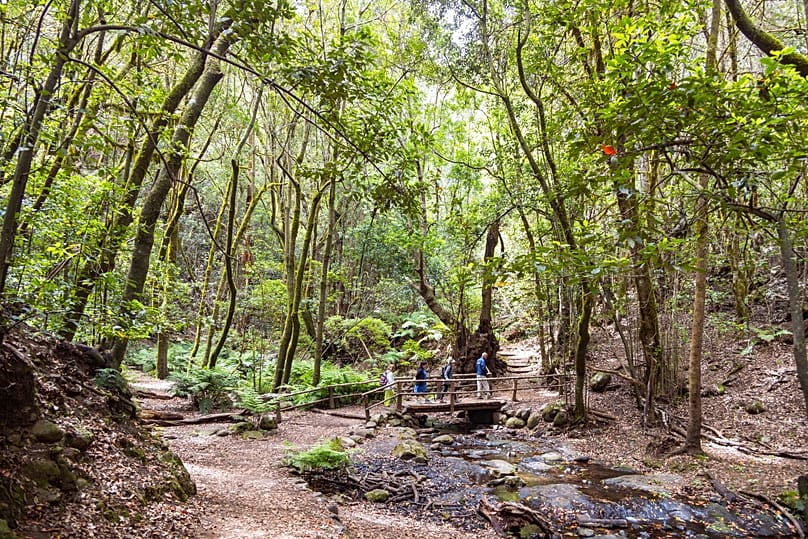
At the centre of La Gomera lies Garajonay National Park, a lush green labyrinth spanning over 3,900 hectares of laurisilva, fern, moss and mist. Garajonay’s laurel forests are among Europe’s oldest ecosystems, living remnants of the rainforests and temperate forests that once occupied much of Europe and North Africa.
Celebrating 45 years as a National Park and 40 as a UNESCO World Heritage Site, the park remains a refuge for an incredible array of endemic wildlife, run through with crystalline streams and hiking trails that offer both serene reflection and challenging ascents.
Popular hiking and mountain-biking spots include La Laguna Grande and El Cedro forest, with stunning panoramas found at viewpoints such as Mirador del Bailadero and rock peaks such as the spectacular Los Roques. En route, enjoy the forest’s magical microclimate, picnic and BBQ at designated areas such as Laguna Grande, and keep an eye out for birds.
Birdwatching in Garajonay National Park can be done year-round, but for the best sightings, visit during breeding season – January to June for the Canary chiffchaff.
2. Stargaze under dark skies
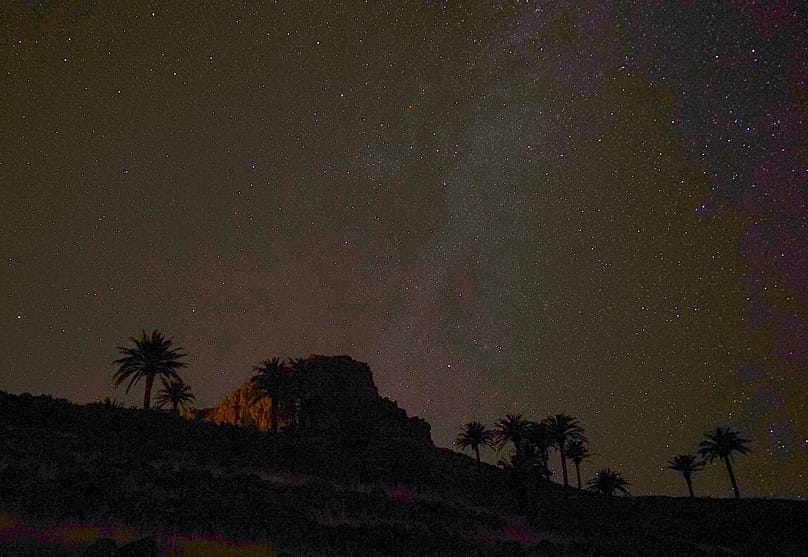
When night falls, La Gomera offers some of the clearest skies in the world. Minimal light pollution and designated starlight areas make the island ideal for astronomy.
The Summit of Garajonay is a natural first choice for hiking and stargazing, offering 360-degree panoramas at 1,487 metres above sea level.
Beyond Garajonay, stunning starscapes can also be found at various elevated viewpoints around the island, including Mirador del Santo in Valle Gran Rey, a renowned spot for night photography, just a few meters from an access road.
In August, set your sights to the southern skies to spot the Milky Way constellations of Sagittarius and Scorpio. Here, the brightest star visible to the naked eye is the orange-burning Antares – a star 700 times bigger than our sun – while the M4 cluster alongside it needs binoculars to be seen, at 7,200 light-years away.
3. Navigate from mountain to sea
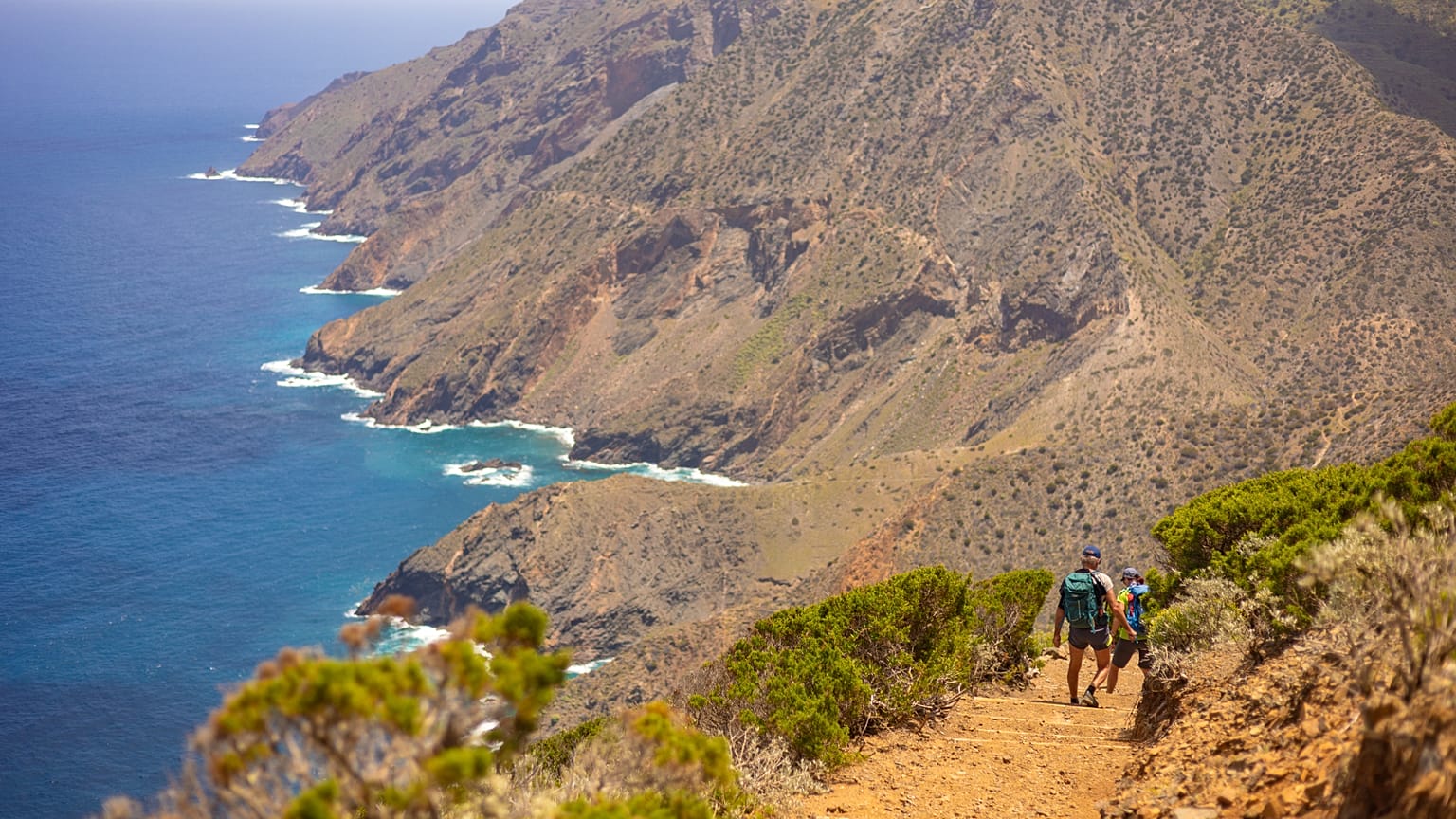
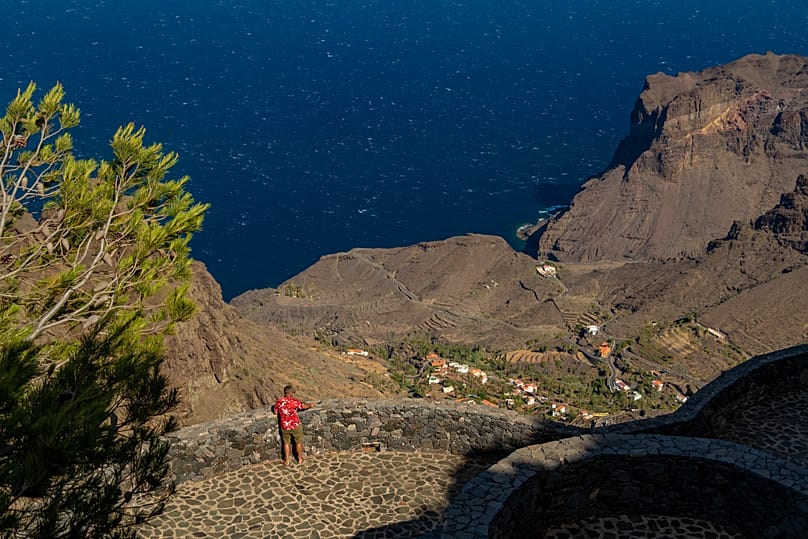
The island’s contrasting landscapes are part of its charm. Terraced hillsides back onto natural volcanic coves, while deep ravines sculpted by wind and water shape the entire land.
Routes such as the 12-kilometre Vallehermoso Circular, capture the island’s diverse essence perfectly, linking historic villages with highland forests and tranquil beaches.
For a sea-to-sky experience, the Valle Gran Rey-La Calera trail climbs from coastal palm groves into rugged uplands.
Hikers can follow trails mapped on platforms like Wikiloc, discovering lesser-known panoramic viewpoints and small hamlets along the way.
4. Along the coast
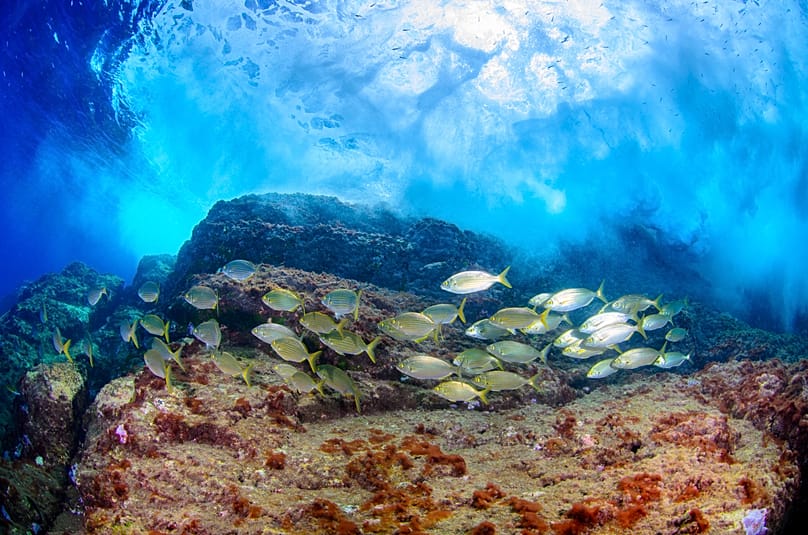
La Gomera’s coastal waters are included within the island’s Biosphere Reserve, a testament to the richness of its marine ecosystems. Strict sustainability guidelines for tour operators ensure the water stays teeming with life, creating some of Europe’s most responsible whale-watching opportunities.
With around thirty species of cetaceans, including pilot whales and dolphins, have been observed in the Atlantic waters surrounding La Gomera, some residing permanently, others just passing through. It is one of only a few places in the world where you could sight up to nine different species in a single day.
Be sure to book your dolphin or whale-watching tour with a reputable operator for an awe-inspiring experience that promises to be both respectful and educational.
5. Flavours that tell stories
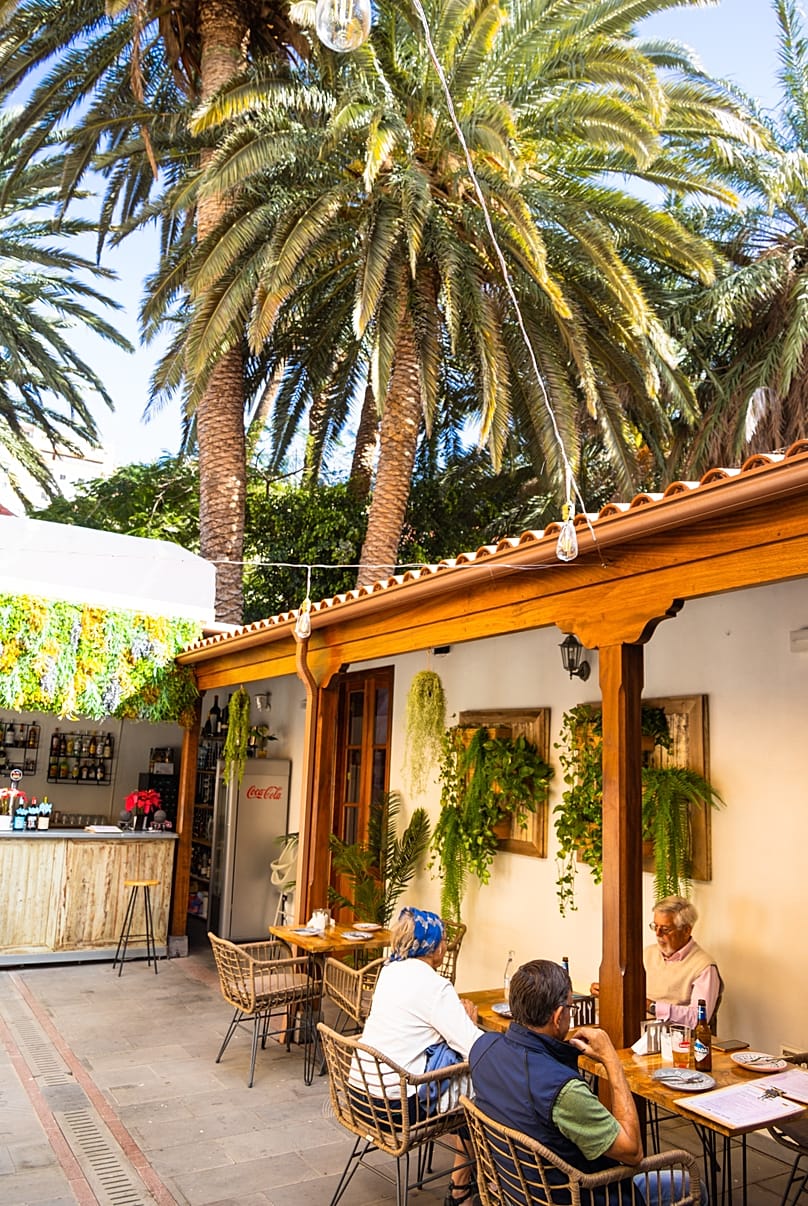
Food in La Gomera is tied to its natural environment, with meals often shared outdoors, overlooking sea or forest.
To truly experience the essence of La Gomera, stay at a guesthouse or traditional rural finca located at mid altitude – the “medianías” – such as the valleys around Hermigua or above the coast near Agulo. Here, the centuries-old terraced vineyards backed by banana groves and an azure horizon, provide the perfect backdrop for sampling local white wines made with Forastera grapes from the island’s rich volcanic soil.
Pair your wine tasting with traditional dishes such as almogrote (cheese paté), palm honey desserts, or a bowl of watercress stew, imagining centuries of island history condensed into each bite.
Practical information about La Gomera
La Gomera is just 50 minutes by ferry from Tenerife, with several daily crossings from Los Cristianos to San Sebastián de La Gomera. Spanish airline Binter also connects the island with Tenerife and Gran Canaria, making the island an easy short stopover from other destinations.
Best time to visit: With its temperate climate and year-round greenery, there’s no off-season. Hiking, cycling, and marine excursions are possible in every month.
Getting around: A network of 600 km of trails connects towns, viewpoints and coastal routes – ideal for cycling and walking – while reliable local buses (guaguas) make exploring simple and scenic for non-drivers.
Where to stay: From beautifully designed rural retreats and eco-lodges to high-quality hotels and well-appointed apartments, La Gomera offers a carefully curated range of accommodation that blends seamlessly with the landscape and supports the local community.
For more information, visit LaGomera.travel.