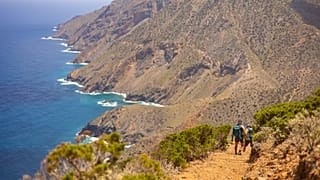
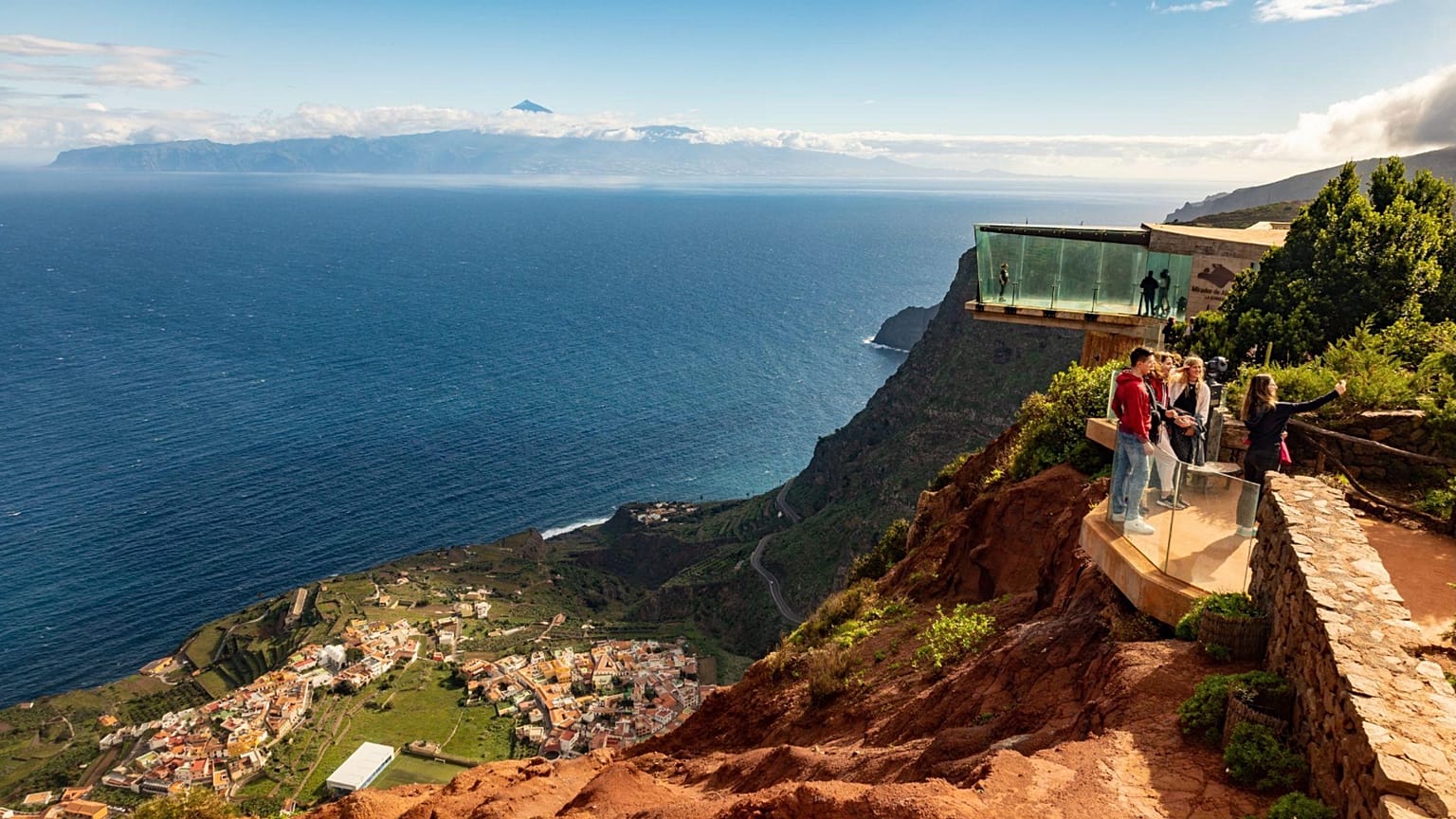













The island of La Gomera lies untouched by the urgency of modern life, offering visitors a rare kind of luxury: permission to slow down.
 ADVERTISEMENT
ADVERTISEMENT
ADVERTISEMENT
A UNESCO Biosphere Reserve across land and sea, La Gomera has long been guided by sustainability. Its prehistoric Garajonay National Park shelters laurel forests older than civilisation itself, while the protected waters beyond its volcanic coastline shelter a variety of dolphin and whale species.
Local culture is preserved just as carefully as the natural landscape. Listen closely and you may hear the island’s whistled language, Silbo Gomero, echoing from forested peaks down through deep ravines — a UNESCO-recognised soundtrack of proud cultural traditions.
A model for sustainable travel
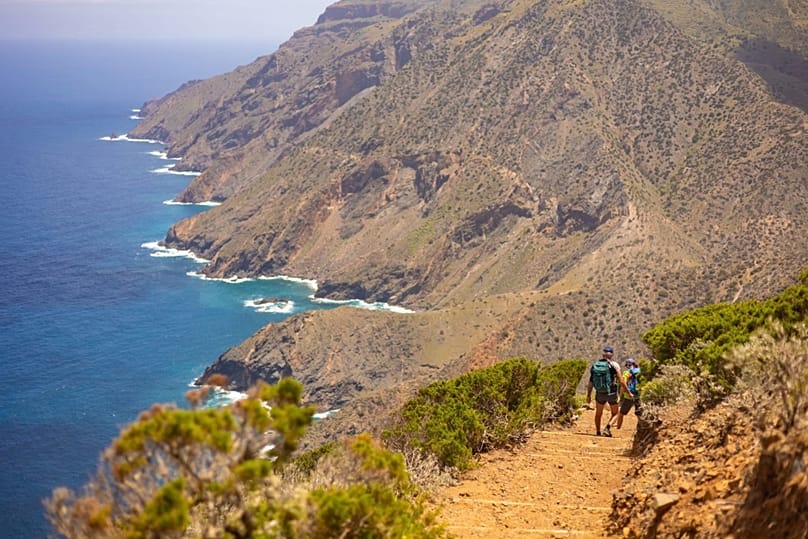
La Gomera’s commitment to responsible tourism makes the island a sanctuary not only for flora and fauna, but also for travellers seeking stillness and authenticity.
From the terraced valleys of Valle Gran Rey to the mist-cooled ravines of Hermigua and Vallehermoso, a quiet kind of hospitality can be found. Accommodation tends to be small-scale and locally owned — think white-washed fincas and eco-lodges restored with volcanic stone, solar panels, and rainwater systems, rather than imported marble and large-scale resorts.
As a 100% Biosphere Reserve and participant in the European Charter for Sustainable Tourism in Protected Natural Areas (CETS), La Gomera promotes local culture, environmental stewardship, and the wellbeing of its residents. To preserve this way of life, coastal guesthouses follow strict caps on development to protect coves and marine life.
Many of La Gomera’s island communities also pursue eco-conscious living and business models: feeding guests with local produce; returning kitchen waste to gardens; reusing water to nourish banana groves and vineyards.
At rural farmstays, visitors can immerse themselves in centuries-old agricultural landscapes, witnessing farmers terrace their hillsides by hand, dining on locally milled gofio, and sharing in the balanced rhythms of island life.
A landscape shaped by time
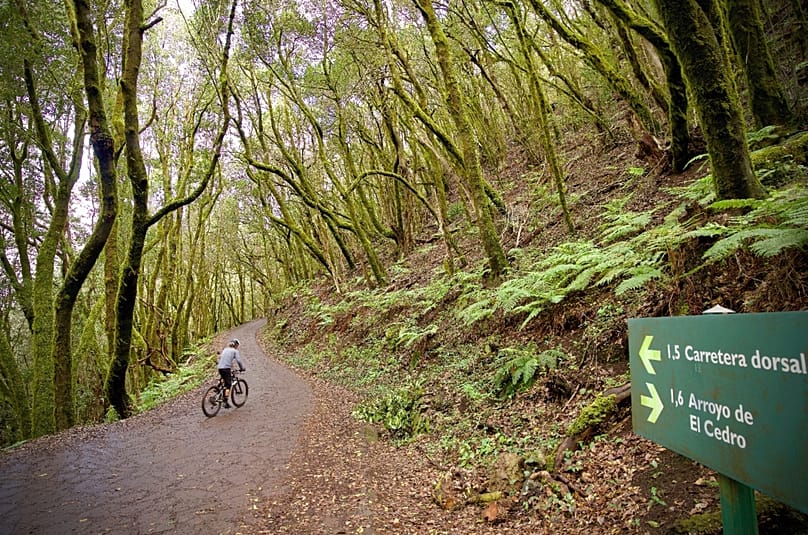
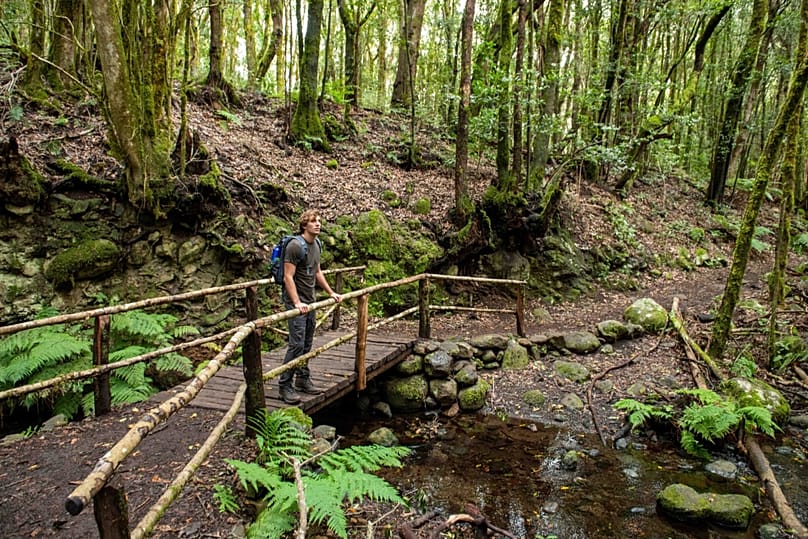
Going inland, La Gomera reveals a side of Spain rarely seen elsewhere. At its heart lies Garajonay National Park, a UNESCO World Heritage Site whose ancient laurel forests date back to before the last Ice Age. Here, mist hangs among moss-covered trunks and sunlight filters through the thick canopy, blanketing visitors in the mystical.
The island’s terrain packs drama: Los Órganos cliffs rise like cathedral pipes above the Atlantic, while Roque Cano stands as a 200-metre symbol of ancient volcanic power. Those drawn to the island’s history can trace the footsteps of its aboriginal inhabitants at sites like Fortaleza de Chipude or Valle Gran Rey Rural Park.
Spectacular cliffs can also be found in the south of the island, where the volcanic landscapes of Alajeró offer many hiking opportunities. The cliffs are also a location of biological importance as the home of many endemic and protected species like ospreys.
Experiences that stay with you
Circumnavigate La Gomera at your leisure, taking advantage of more than 600 kilometres of marked trails that connect villages, viewpoints and coastline, travelling easily by bike, guagua (bus) or on foot.
All trails lead, inevitably, to the coast. Here, rugged cliffs shelter idyllic black-sand beaches and coves, where you’ll find opportunities for birdwatching and whale spotting, with as many as 31 species of cetaceans in the surrounding waters, including rorqual whales and bottlenose dolphins.
After a day of sightseeing, visitors can unwind with Gomeran flavours rooted in tradition. Staple dishes such as almogrote, the island’s famous cheese paté; watercress stew and gofio escaldado (a houmous-like dip made from cereal flour) are hearty staples, while papas arrugadas (wrinkled potatoes) topped with Canarian mojo sauce are a delicious comfort.
A drizzle of Canary palm honey adds authenticity to both savoury dishes and desserts, while locally produced wines made from the Forastera Gomera grape offer juicy insight into the island’s culinary heritage.
Getting there and staying awhile
Despite feeling remote, La Gomera is easily reached by sea and air. San Sebastián de La Gomera, once the final port of call for Christopher Columbus on his voyages to the Americas in the 15th century, remains an important maritime hub to this day. Ferries from Tenerife – from Los Cristianos to San Sebastián de La Gomera – run several times daily, taking only 50 minutes with the bonus of glittering ocean views and a fresh sea breeze.
For those arriving by air, the island also has its own airport, with domestic connections to Tenerife and Gran Canaria.
Whether you choose a beachside boutique or rural homestay, a weekend escape or a 10-day retreat, La Gomera rewards time spent slowly. So, turn off your phone, breathe deeply and take in the beauty.
Find your next pause at LaGomera.travel.