




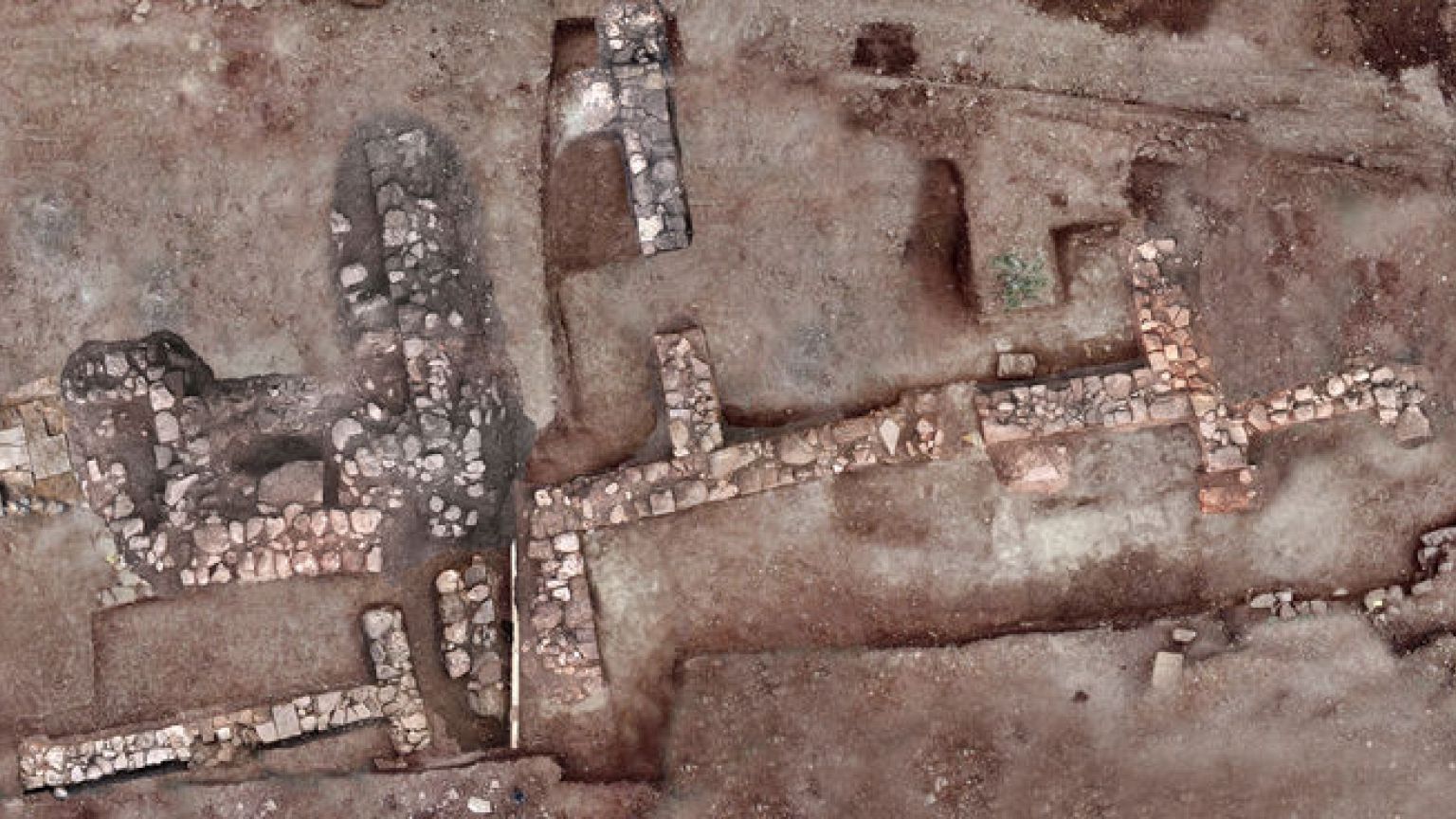













ATHENS (Reuters) - Greek archaeologists have discovered jewellery, dozens of coins and remnants of a housing settlement affirming the location of an ancient city thought to have been founded by survivors of the Trojan War in the 12th or 13th century BCE.
 ADVERTISEMENT
ADVERTISEMENT
ADVERTISEMENT
Excavations close to the village of Chiliomodi in Greece's southern Peloponnese region indicated the presence of the wealthy ancient city of Tenea, the Culture Ministry said in a statement.
So far, Tenea's location was based mainly on historical references, the ministry said, and the find was proof that it existed.
The most recent excavation unearthed seven graves dating to the Roman era and Hellenistic period, and, for the first time, remnants of a settlement.
"It is significant that the remnants of the city, the paved roads, the architectural structure, came to light," Eleni Korka, who is in charge of the dig, told Reuters.
Chiliomodi is part of a complex of communities which is called the Municipality of Tenea.
The main excavations in the area started in 2013.
According to one ancient Greek traveller and geographer, Pausanias, Tenea may have been founded by Trojans who were taken prisoner by Agamemnon, King of nearby Mycenae.
Archaeologists discovered clay, stone and marble floors and some of the walls were very carefully constructed, the ministry said. They also found 200 rare coins, evidence that the city was very wealthy, Korka said.
The graves unearthed were rich in vases and jewellery. The skeleton of a woman and a child were found in one of them.
Among the findings was a golden coin to pay for the journey to an afterlife and an iron ring with a seal that depicted the Greek god Serapis sitting on a throne, Cerberus - a three-headed mythical dog that guards the gates of Ades - beside him.
"We've found evidence of life and death ... and all this is just a small part of the history of the place," said Korka. "The coming years will allow us to evaluate where we stand."
(Reporting by Renee Maltezou and Michele Kambas; Editing by Emelia Sithole-Matarise)