












As the world’s smartest devices go on show at MWC 2026, global leader in consumer electronics TCL ensures the screens we rely on are up to the job.
 ADVERTISEMENT
ADVERTISEMENT
ADVERTISEMENT
With Mobile World Congress coming to a close in Barcelona, conversations did not stop at AI-embedded smartphones and smarter connectivity.
While AI grabs the attention, it is display technology that determines whether that intelligence is usable.
Screens are the primary interface between us and the digital world. Their quality shapes how we physically experience every interaction. As we move through daily life—from TVs to tablets to wearables—a consistent and seamless visual experience makes these transitions feel natural and connected.
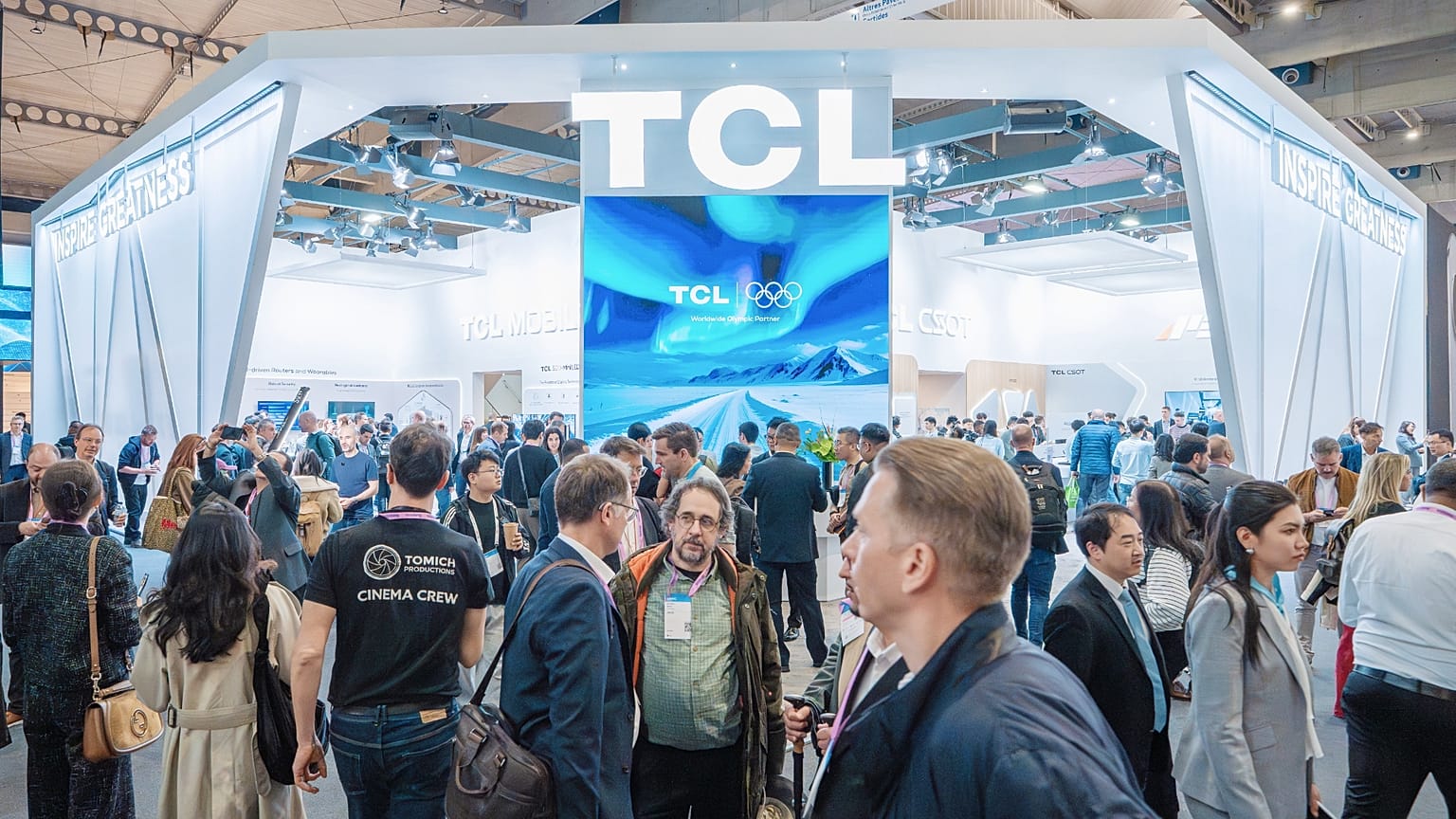
At MWC 2026, the world’s No. 1 Mini LED and ultra-large TV brand* TCL has established itself as a leading force in display industry. Bringing together leadership in ultra-large screens and innovation in small-screen solutions, TCL designs the vision for the future of displays and delivers it through real, high‑quality products. The TCL showcase at MWC shows how deeply TCL senses how people interact with screens and benefit from intelligent features. This human-centric approach also underpins the company’s long-term commitment to display innovation, leading to its sustained leadership in ultra-large formats.
Mastery at scale: a decade of pioneering ultra-large displays
TCL’s mastery of ultra-large displays is underpinned by its consistent R&D investment and continuous innovation in display technology—a category where technical margins are tight and precision is non-negotiable.
For nearly a decade, the company has focused on solving the challenges of large-format viewing. It began investing heavily in Mini LED research from 2017 and became the first to mass-produce QD-Mini LED TVs in 2019. The world’s first OD Zero QD-Mini LED TV followed in 2021 and, in 2023, TCL introduced the world’s largest 115-inch QD-Mini LED TV.
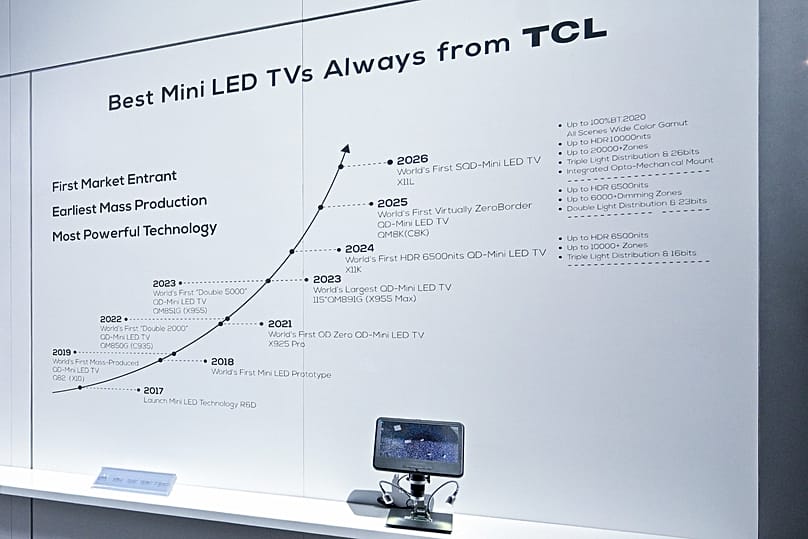
By 2025, it unveiled the world’s first virtually ZeroBorder QD-Mini LED TV, refining industrial design in the category. In 2026, that progression continues with SQD-Mini LED technology.
The upcoming X11L SQD-Mini LED TV — TCL’s first flagship model featuring the next-generation system — delivers more precise dimming, stronger colour control and stable contrast on ultra-large screens, all within a slimmer design. With its North American debut at CES in January, the X11L was recognized by numerous tech media outlets as the “Best of the Best TV” after their on-site evaluations.
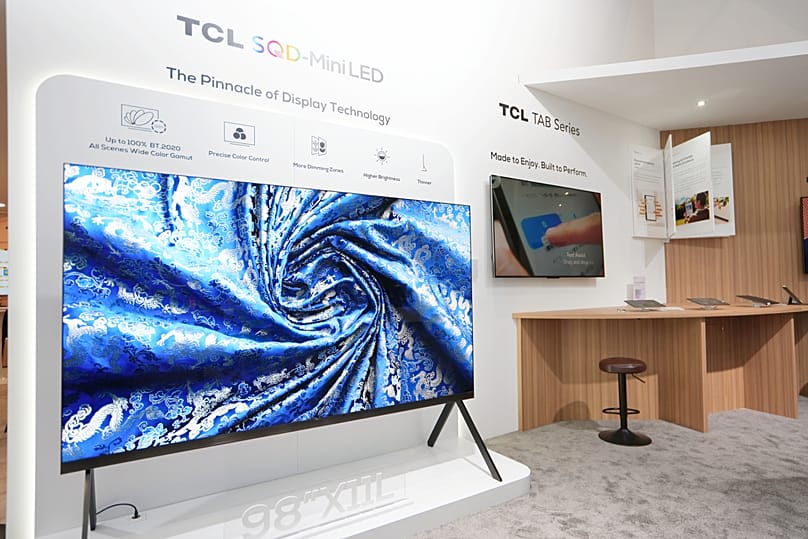
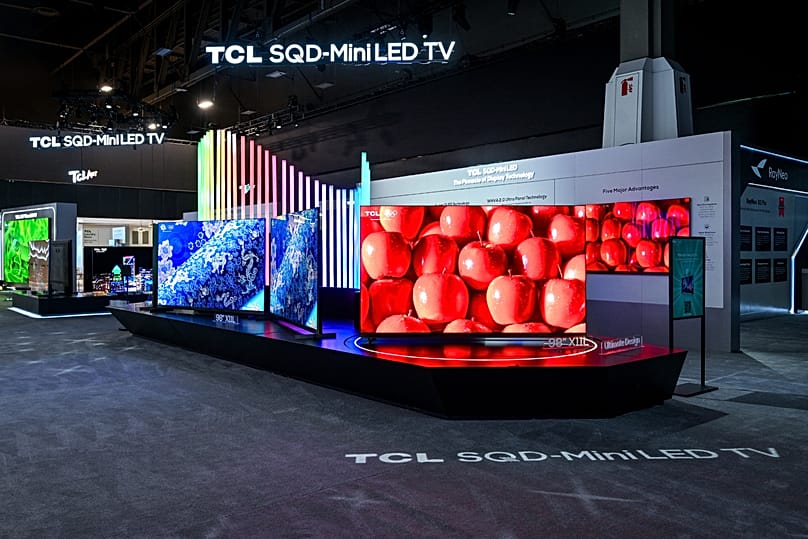
TCL’s ability to advance display performance is strengthened by the vertical integration of its supply chain. With TCL CSOT responsible for developing and manufacturing display panels, breakthroughs at panel level can move more quickly into finished consumer products. At that scale, there is little room for error. Managing brightness uniformity and colour accuracy across a screen of this size demands exceptional control of light. That discipline is now widely applied across TCL’s TV lineup to deliver an unparalleled immersive viewing experience for consumers.
The results have also translated into market leadership. TCL is currently the world’s No. 1 Mini LED and ultra-large TV brand*, shipping more than 21 million TVs globally in the first three quarters of 2025, including 2.24 million Mini LED models — a 153.3 per cent year-on-year increase. Shipments of TVs 75 inches and above grew by 27.8 per cent year-on-year.
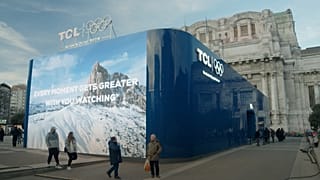
TCL’s leadership in large‑screen Mini LED technology was highlighted at the Olympic Winter Games Milano Cortina 2026, a global stage known for demanding technical standards. Across the event, TCL contributed to how fans, athletes and audiences experienced the Games, bringing its latest display innovations to one of the world’s most-watched broadcasts.
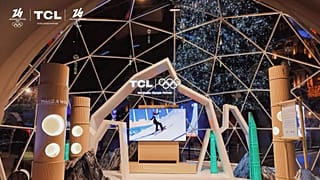
At the International Broadcast Center, TCL supplied more than 330 TV screens and 300 commercial display units, enabling broadcasters and media teams to follow each moment in high detail. TCL also equipped the IBC’s visitor exhibition area with its X11L SQD‑Mini LED TV, showcasing strong brightness, contrast and colour performance under challenging conditions.
Looking ahead, the January announcement that Sony and TCL signed a Memorandum of Understanding to work toward a joint venture marks an important next step. Backed by this potential strategic alliance, TCL is well‑positioned to further strengthen its technological capabilities and global market competitiveness—reinforcing its emergence as a rising leader in the next era of display innovation.
The small-screen innovator: A Healthier, Seamless "Smart+" Mobile Experience
At MWC, TCL showcased its latest intelligent displays, which point to a shift the industry is only beginning to acknowledge: as screen time increases, clarity and visual comfort are becoming as critical as processing power and intelligent capabilities.
Exploring TCL’s smartphone and mid-sized device range, users see and feel the difference in every detail. And with the first-ever integration of NXTPAPER technology into AMOLED panels, TCL introduces a breakthrough viewing upgrade that delivers strikingly vibrant visuals alongside natural-light comfort and a remarkable paper-like experience— remaining easy on the eyes even during extended use, so users no longer have to choose between vivid visuals and total eye comfort.
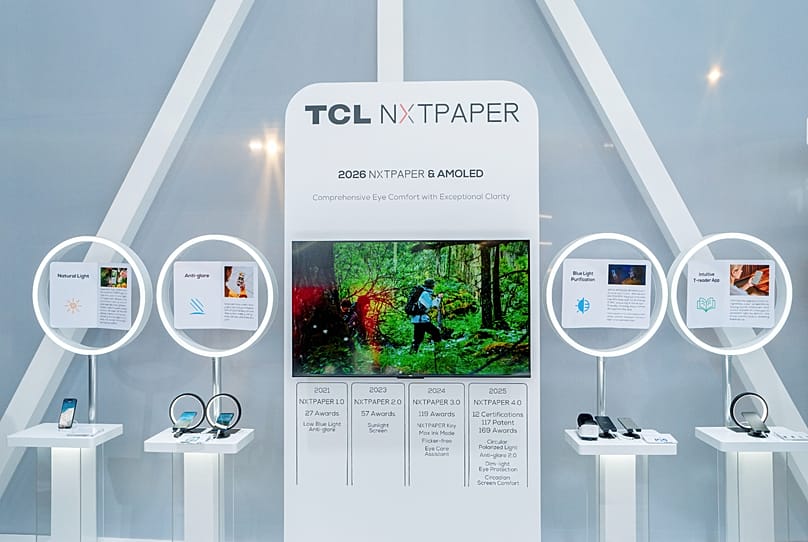
Designed to deliver an all-day comfortable viewing experience, products such as the TCL NXTPAPER 70 Pro effectively ease eye strain through comprehensive eye-care technologies.
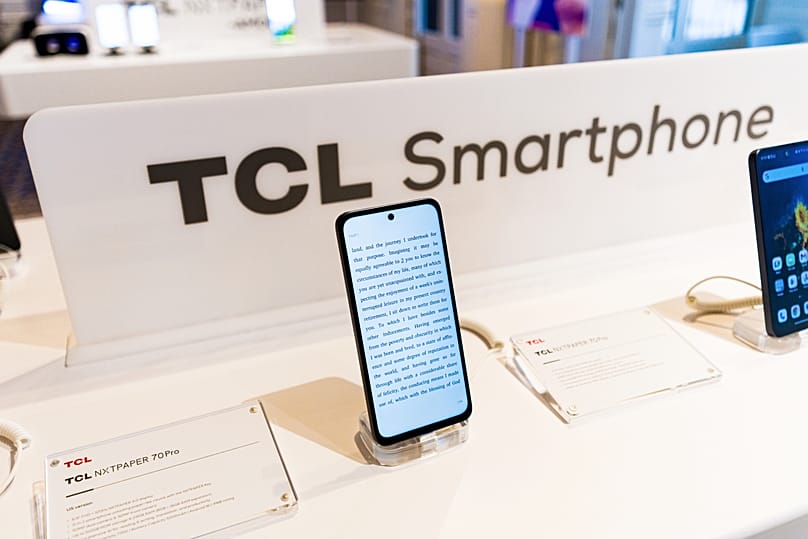
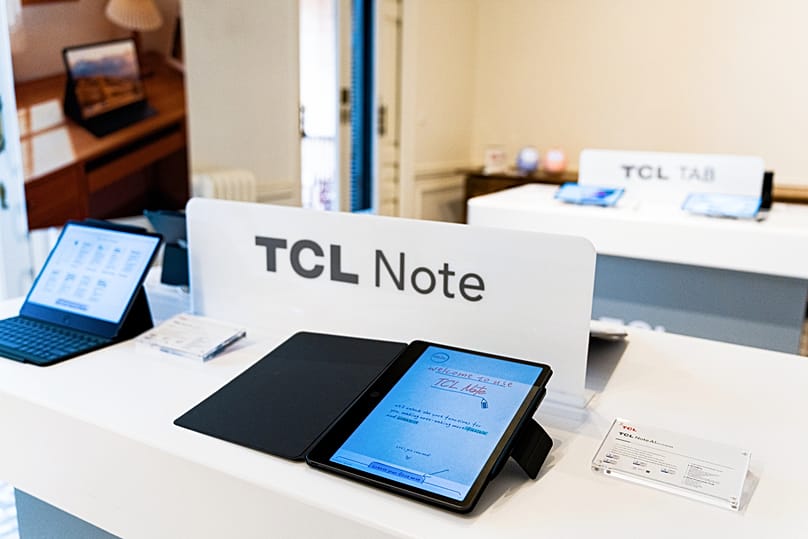
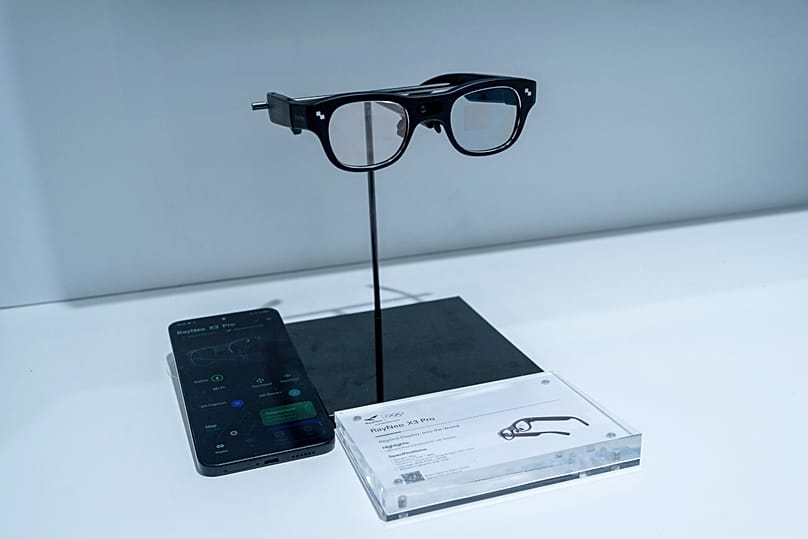
The same philosophy extends across the range. For example, the TCL Note A1 NXTPAPER e-note applies similar reduced-glare principles to support eye comfort and deeper focus for writing and thinking. Meanwhile, RayNeo’s Air 4 Pro and X3 Pro wearable displays expand the category, offering lightweight, body-worn systems designed to deliver large-format visuals in a compact form.
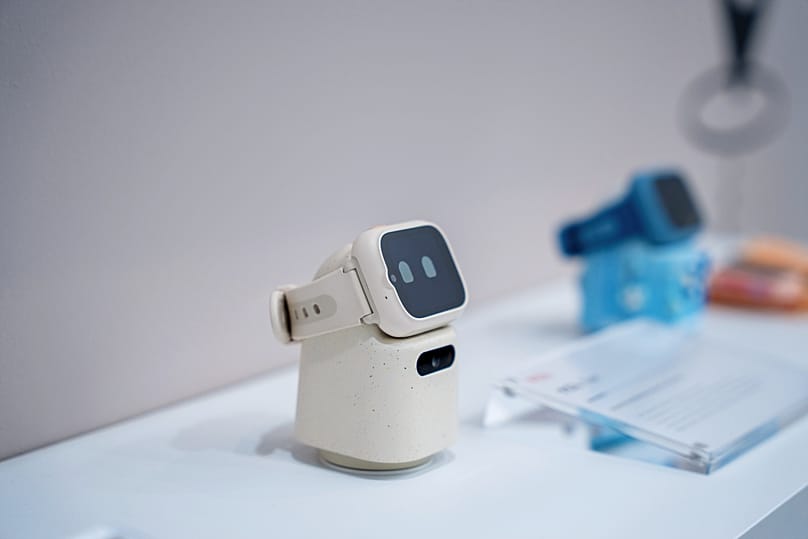
At MWC 2026, TCL also unveiled an innovation in kids’ tech — TCL Tbot, the world's first AI desktop companion for kids’ watches, currently remaining in the conceptual stage. It offers supportive at-home interaction when the kids’ watch — featuring a scratch-resistant screen — is off the wrist for charging, providing continuity and gentle guidance for children.
Across these devices, TCL shifts the emphasis from raw specification to sustained usability — a direct response to how televisions, smartphones and tablets now dominate daily screen time.
Screens without boundaries
The final dimension of TCL’s MWC narrative reflects a broader industry shift: ecosystem continuity.
Beyond televisions and smartphones, TCL’s portfolio extends to projectors, commercial displays and what it describes as a Human × Vehicle × Home ecosystem. The objective is to ensure that screens operate seamlessly across living spaces, workplaces and vehicles.
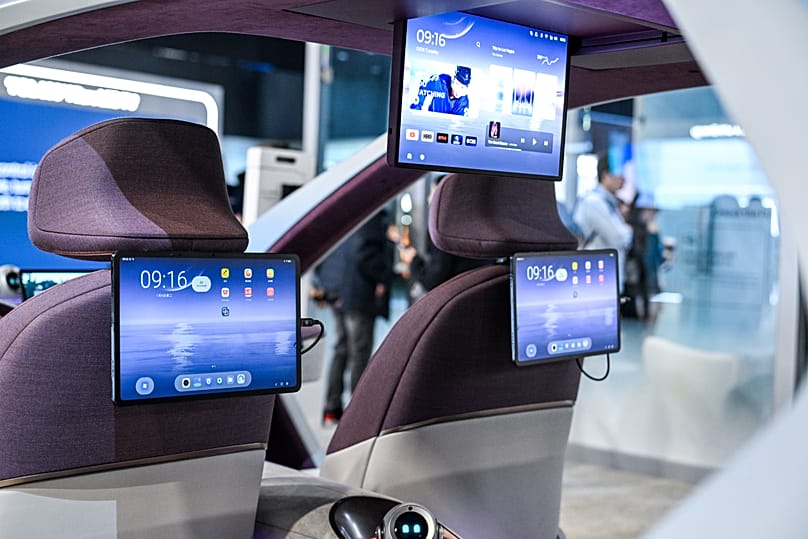
As connectivity becomes more fluid, displays function less as standalone products and more as connected components. A tablet for focused work, a television for shared viewing and a wearable display on the move become part of the same visual language, shaped by shared engineering principles.
In a world saturated with AI, that coherence matters more than ever. Processing power may drive intelligence, but the screen determines how that intelligence is perceived, interpreted and trusted.
At MWC 2026, this perspective sharpens. In an era defined by intelligent technology, the future of smart devices begins with the intelligence of the display.
* No. 1 Mini LED TV brand globally, according to Omdia 2024