

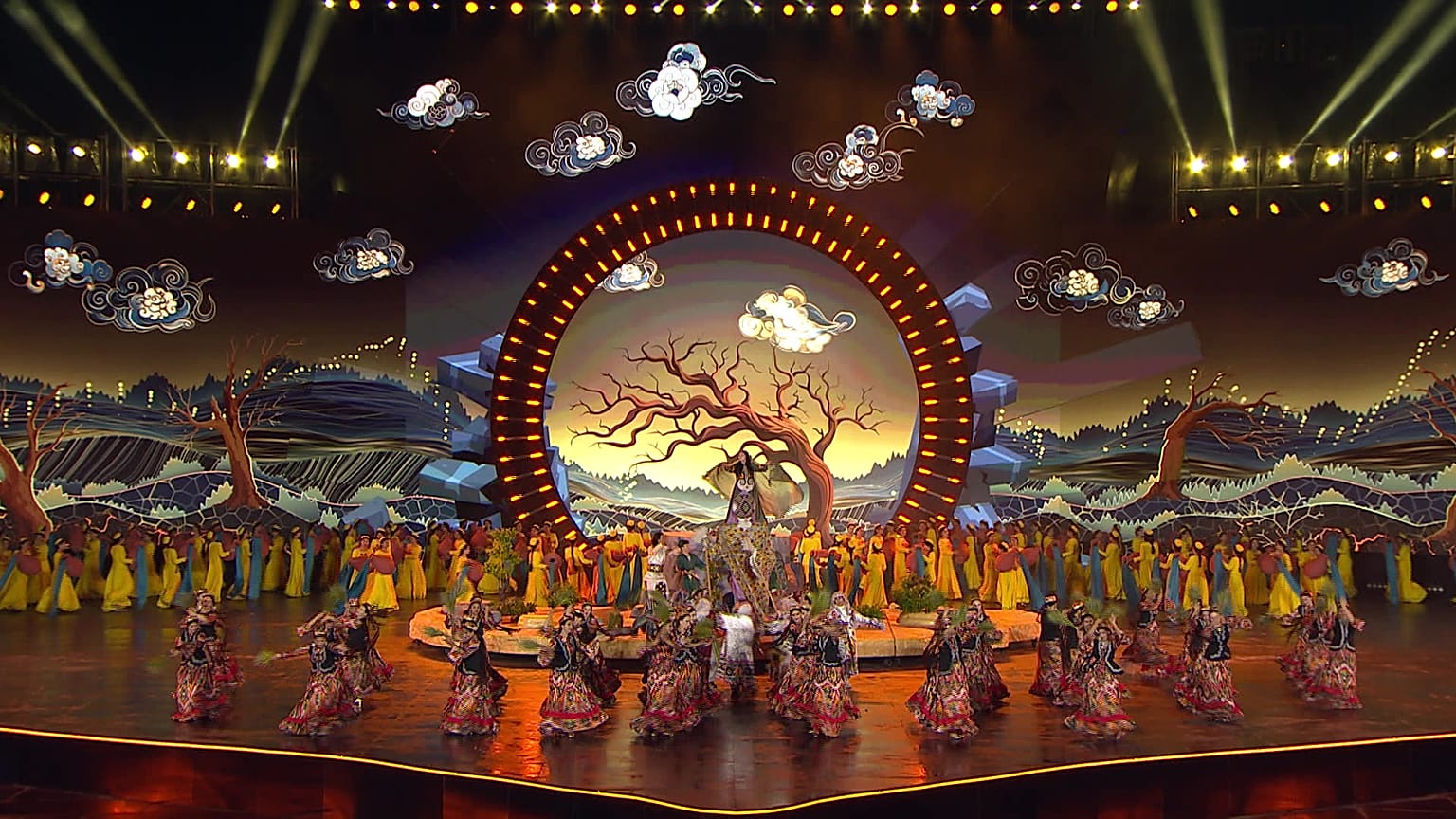













Every spring, something shifts in Tajikistan. The cold loosens its grip, colour comes back into the streets, and people — families, neighbours, strangers — spill out into squares and parks to mark the moment together. Navruz, the festival of the new year and the arrival of spring, has been doing this for over 3000 years. In 2026, Dushanbe is once again at its beating heart — this year, the city takes centre stage as the main hub of the International Navruz celebrations.
 ADVERTISEMENT
ADVERTISEMENT
ADVERTISEMENT
The name itself says it all: Navruz means "new day." Celebrated since ancient times by Tajiks and other Persian-speaking peoples, as a celebration of the vernal equinox — the moment when light triumphs over darkness and the earth is renewed. But it has never been just a calendar event. It's a feeling. A reset. A shared, life-giving breath after winter.
Farhod Rahimi, an academic specialising in Central Asian culture, describes it with a breadth that makes you reconsider what a "festival" can actually be: Navruz, he says, is a complete cultural system — part agricultural observation, part historical memory, part philosophical reflection, all woven together with a vision of human renewal. Heavy with meaning, yet simple to celebrate.
A City That Comes Alive
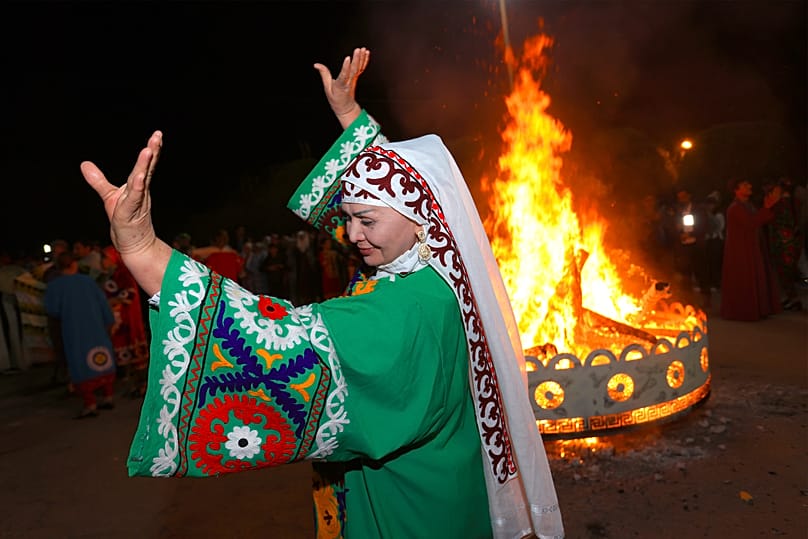
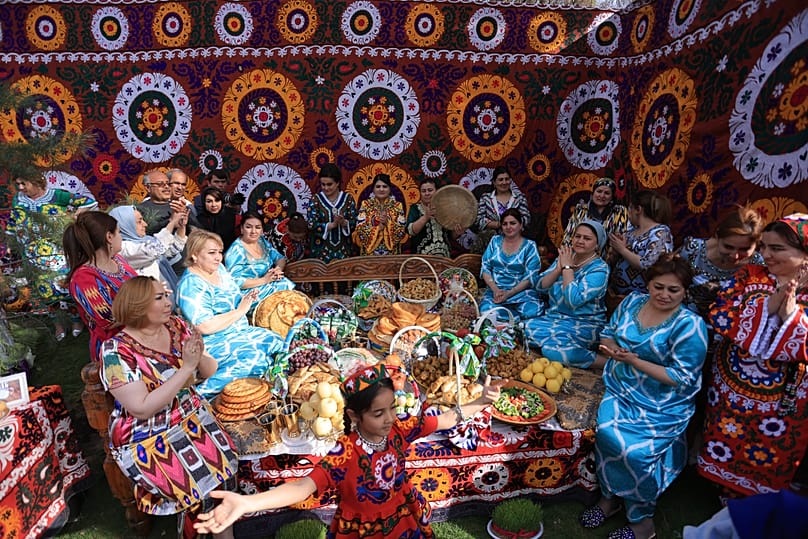
In Dushanbe, the celebration is hard to miss and harder to resist. Streets that usually serve simply as passageways are transformed into stages. Squares turn into stages for the nation — live music, folk dances, and communal cauldrons simmering traditional dishes, filling the air with warmth and the unmistakable energy of a city genuinely happy to welcome you. Children paint eggs. Families lay out spreads. Performers move through the crowds in embroidered costumes.
The official opening ceremonies draw visitors from across the country and further afield, and over time Navruz has grown into something larger than a national holiday. Thanks to the efforts of the Leader of Tajikistan, His Excellency Emomali Rahmon, the festival now actively introduces the country to the outside world — not through polished marketing, but through direct, lived experience.
What Gets Passed Down
The most striking thing about Navruz isn't the spectacle — it's the continuity. The same stories, values, and customs that shaped communities centuries ago are still moving quietly from one generation to the next, tucked inside the act of cooking together, dancing together, sitting at the same table.
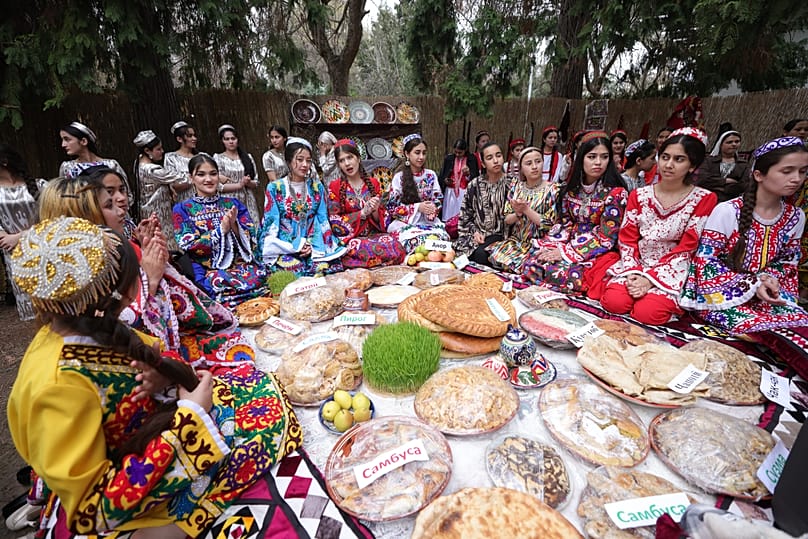
Take sumalak — a sweet pudding made from wheat, stirred slowly in large communal pots and offered to neighbours as a gesture of solidarity and care. It takes hours to make and involves whoever turns up to help. But it is more than a dish: it is a medium for unity, for dialogue, and for social cohesion.
"A society that does not know its roots is vulnerable in historical crises," Rahimi observes, "but a nation that celebrates its festivals meaningfully can remain resilient amid great changes." In that sense, Navruz is not merely a holiday — it is, above all, a living tradition of cultural preservation.
Music and dance fill the rest of the space — traditional instruments and regional styles that sit comfortably alongside newer sounds. It doesn't feel like a museum exhibit. It feels alive.
Hospitality You Can Actually Feel
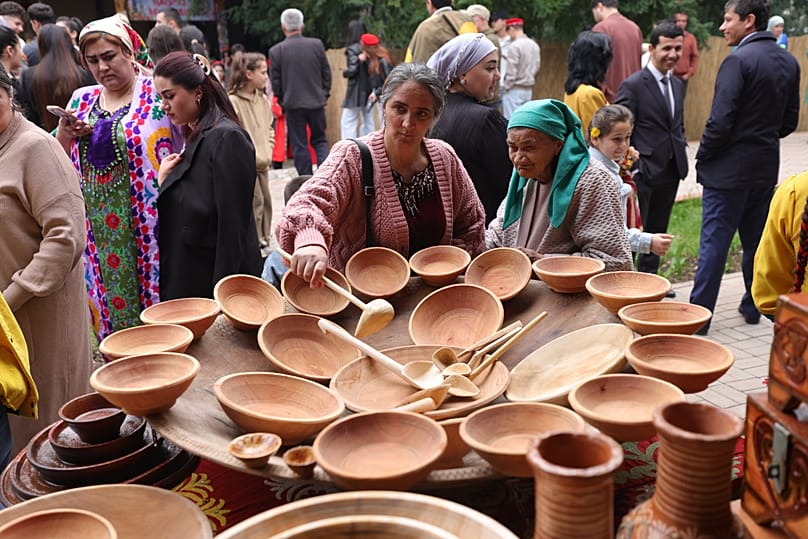
Tajik hospitality at Navruz isn’t just an idea — it’s everywhere you turn. Doors open. Food appears. For many visitors, this becomes the memory that outlasts any landmark or landscape: the sense of being drawn in, not just watching from a distance.
Whether in a family home or a bustling square, there’s a warmth here that’s effortless to step into. For first-time visitors, it’s this feeling that stays — not the colours or the spectacle, but the quiet certainty of being genuinely welcomed. Not as a spectator, but as part of the celebration.
A Reason to Visit Tajikistan
Beyond Dushanbe, Navruz is celebrated across Tajikistan with lively energy and real spectacle — in breathtaking mountain landscapes, historic Silk Road cities, and regions whose local traditions give each celebration its own distinct character.
It is the perfect starting point for anyone coming to the country for the first time: inherently unifying, effortlessly drawing people in, and — for a celebration of such history and scale — truly warm and authentically welcoming. Local guides and cultural centres provide context, but much of the experience is simply available to anyone who shows up and pays attention.
Tajikistan is quietly building a reputation among travellers who want something real — not a resort, not a tick-box landmark, but a place with genuine depth.
"Navruz isn't just a holiday," Rahimi says. "It's a chance for people to connect with their roots, understand the symbols all around them, and take in the values and lessons passed down through generations."
Some celebrations are merely observed. Navruz pulls you in before you even realise it.