

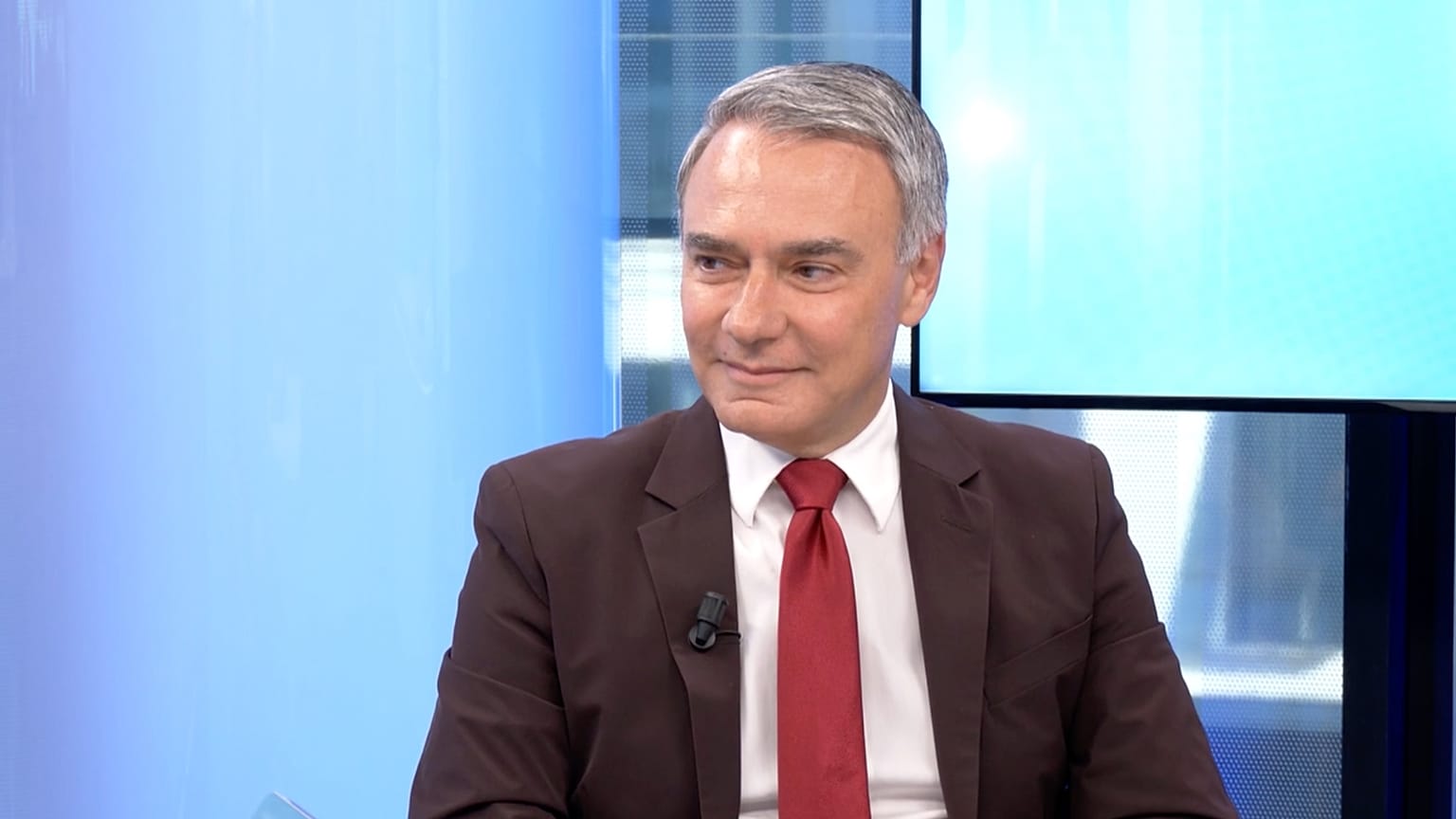














Why Europe’s competitiveness depends on governance reform — and on investing in people and leadership: a conversation with PMI’s President for Europe, Massimo Andolina.
 ADVERTISEMENT
ADVERTISEMENT
ADVERTISEMENT
Europe is at a crossroads. Technology is speeding forward, global tensions are growing, and the region can’t afford to stand still. For Massimo Andolina, President of Philip Morris International’s Europe Region, the path forward is clear: a shift of mindset and the confidence to act boldly are needed to drive sustainable growth and remain competitive globally.
Massimo Andolina points to PMI’s first EU Economic Footprint report findings to show how Europe can strengthen its competitiveness by reforming governance, backing innovation and investing in people.
A Shift in Mindset Starts with Clear Objectives
Massimo Andolina stresses that Europe’s challenge is as much about mindset as it is about policy. “We need to crystallize what mission success looks like,” he says, calling for a sharper focus on competitiveness, job creation, and growth that delivers tangible benefits for citizens. For Andolina, the issue is not ambition but a lack of urgency and clarity in turning objectives into action.
Europe’s governance frameworks were designed for past economic eras. In a world where technology, sustainability and demographic shifts are redefining success, Andolina suggests that “old ways of thinking” are too slow and risk Europe falling behind. Reform, he argues, must start with clear goals and a laser‑like focus on executing them — even against a backdrop of political uncertainty.
Policy, Regulation and the Role of Institutions
Andolina believes European institutions must strike a balance between necessary oversight and enabling business growth. While regulatory frameworks ensure stability, overly complex or expanding rules can stifle innovation and deter investments. “It’s easier to take a pause on non‑essential regulation than to overhaul decades of frameworks,” he said, urging policymakers to re‑evaluate regulatory priorities. This, he claimed, would create a more conducive atmosphere for private sector‑led innovation and investments. PMI’s EU economic footprint data shows that the company has invested more than 43 billion euro in 5 years only, out of which close to 20 billion euro in 45,000 European suppliers – small and medium size companies. Andolina believes that Europe faces the critical need for governance reforms that would boost investments and economic growth, and make Europe stronger.The current ‘governance framework is at this point no longer fit for purpose’ in terms of speed and decision-making power, believes Andolina.
Reforms like the omnibus legislation are aimed to streamline the regulations and alleviate the regulatory load on businesses. By combining changes to multiple laws into a single package, the European Commission can make the system more straightforward and cut unnecessary red tape. But for these reforms to really make a difference, they need to focus on strategic priorities, not just rearrange existing regulations.
Economic Impact: Data from Economic Footprint Reports
PMI’s first EU Economic Footprint report, prepared by EY‑Parthenon, offer a concrete illustration of how corporate activity can drive broader economic value in Europe. Between 2019 and 2023, PMI’s operations generated an estimated nearly €290 billion for the European Union’s economy — a result of business output, tax contributions, exports value, jobs creation, and investments in retailers and suppliers. In 2023 alone, PMI’s contribution reached around €65.8 billion. The report also highlights the impact on employment: PMI directly employed more than 21,400 people in the EU in 2023 and, including the wider effects on suppliers, retailers, and local spending, supported overall more than 1 million jobs. . For every job directly created by PMI, the analysis estimates almost four additional roles were generated indirectly across the wider economy.
These figures, while specific to PMI, demonstrate how important businesses are for Europe’s economy and competitiveness. They show how innovation and investment can drive jobs and growth when governance and policy frameworks support them.
Innovation as a Competitive Engine
Innovation remains central to Europe’s competitiveness. Andolina pointed to areas such as decarbonisation, digitalisation and artificial intelligence (AI) as drivers of both efficiency and growth. Drawing on PMI’s own transformation journey, he described how setting ambitious carbon neutrality goals compelled the company to rethink processes, adopt new technologies and improve overall performance.
“We became smarter about how we do things,” he said, noting that decarbonisation and efficiency gains often go hand in hand. By embracing innovation — but without becoming dogmatic — companies can unlock new opportunities that strengthen Europe’s economic base.
AI, is a clear example of this, with PMI tracking hundreds of internal projects and empowering employees to explore tools that can amplify productivity. This mirrors broader PMI report findings about investment in cognitive capital, including billions spent on research, development and workforce training across the EU over recent years.
Investing in People and Leadership
Europe’s demographic trends — especially an ageing workforce — pose a structural challenge. Andolina stressed that upskilling and reskilling are essential if workers are to remain relevant in a fast‑changing economy. Larger companies, he argued, have both the means and responsibility to invest in their people, creating a ripple effect through supply chains and partner businesses.
PMI’s own training investments — which exceed tens of millions of euros annually — have contributed to productivity levels well above the EU average, demonstrating the tangible returns that result from cultivating human capital.
Looking Ahead: Momentum for Change
Europe’s competitive trajectory depends on its ability to match policy intent with decisive action. Andolina argues that reform must be forward‑looking and practical, unlocking investment while upholding core values. With strong institutional engagement and a willingness to evolve governance frameworks, Europe can navigate global pressures and turn challenges into opportunities.
The change of organisations such as PMI — from traditional industry players to innovation‑driven game changers — shows how the private sector can be a tremendous driver of growth in Europe. But success will require collaborative leadershipstronger cooperation, regulatory agility and a mindset that embraces change with purpose.
Watch the full conversation with Massimo Andolina below:
 Sorry, this content is not available in your country