
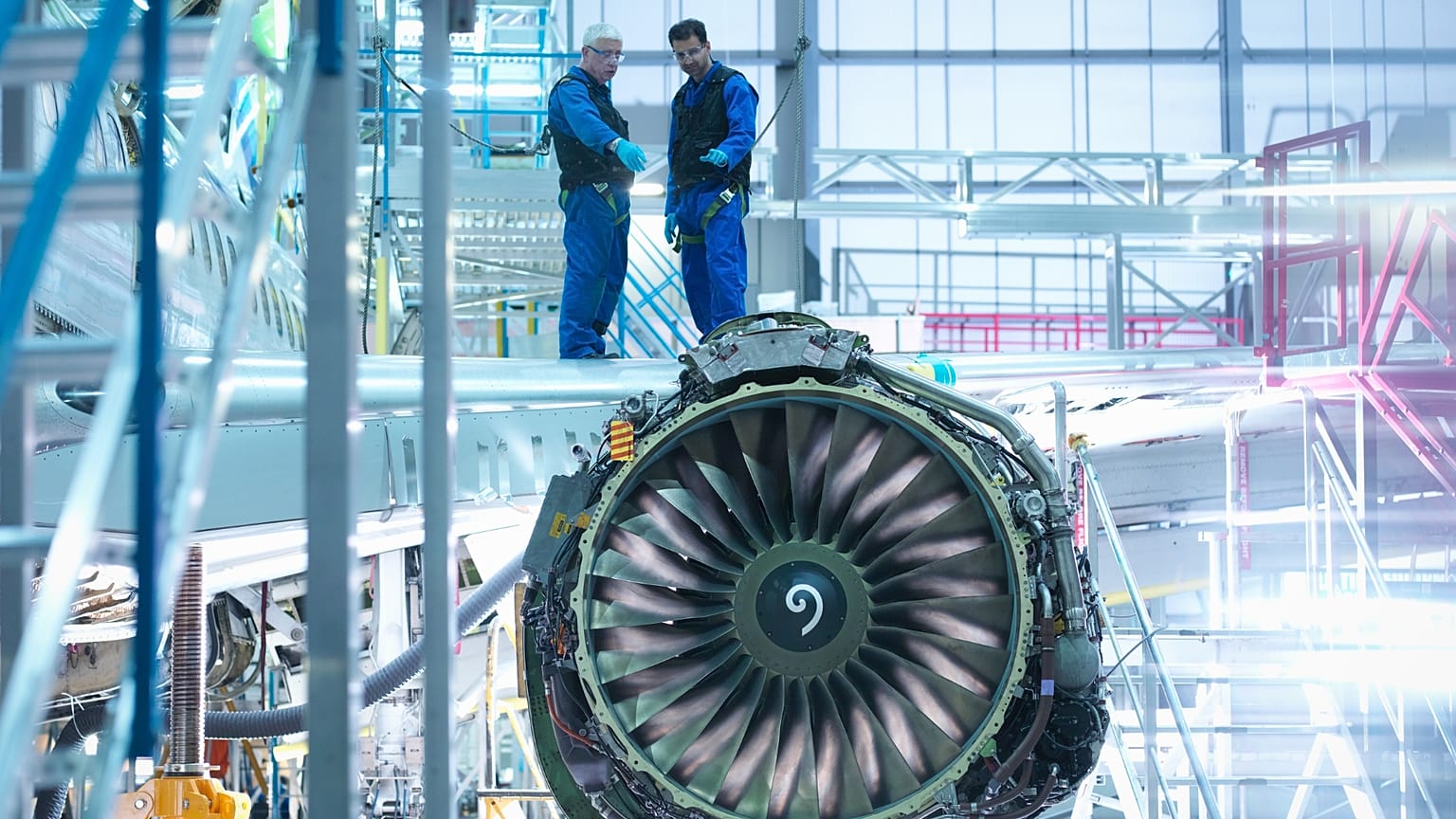













From electric vehicle batteries to aircraft wings, many of the products shaping Europe’s future are not made in one country alone. They are built across borders – with parts, expertise and technology moving between states – including between mainland Europe and the UK - at every stage.
 ADVERTISEMENT
ADVERTISEMENT
ADVERTISEMENT
At a time of global volatility, that system is being reshaped. A reset in UK–Europe trade relations is not just smoothing supply chains, it is helping to redefine how advanced manufacturing works across the continent.
The UK is a major player in advanced manufacturing with the sector contributing more than £80 billion to its economy each year. It has a wide network of engineering firms, research institutions and specialist suppliers, with important regional hubs – from aerospace production in the South West and Wales to automotive research and manufacture in the Midlands and satellite manufacturing in Glasgow.
Supply chains that cross borders
In sectors such as automotive, aerospace and advanced materials, British companies work closely with European partners to develop and deliver complex products.
Strong trade links help make that cooperation easier and more efficient.
Recent efforts to strengthen UK–Europe trade ties aim to reduce barriers and deepen partnerships so that businesses can operate more easily across international markets. For manufacturers, this means clearer rules, smoother supply chains and more opportunities to collaborate on new technologies.
From electric vehicles to aircraft wings
The automotive industry offers a clear example of this cooperation. Car manufacturing remains the UK’s largest goods export sector, generating £43 billion in exports in 2024. As the industry moves toward electric vehicles, companies across Europe are increasingly working together on batteries, components and production methods.
Major investments are helping support this shift, including £1 billion secured for a battery gigafactory in Sunderland that will produce batteries capable of powering up to 100,000 electric vehicles each year.
Aviation is another area where UK and European collaboration is key. The UK aerospace sector produces vital aircraft components used across Europe. In fact, south-west England and Wales together manufacture around half of the world’s large civil aircraft wings. These capabilities rely on long-standing partnerships with European aircraft manufacturers and suppliers.
Precision engineering in practice
One company already working at the centre of this system is Renishaw. The precision engineering company develops measurement technologies that help factories produce highly accurate parts for industries such as aerospace, automotive and electronics.
Chris Pockett, head of communications at Renishaw, says the UK provides an ideal environment for this type of engineering work.
“The UK features a very strong ecosystem for advanced manufacturing, with a great depth of engineering expertise gained from domestic hi-tech sectors and their supply chains, including aerospace, automotive and motorsports.”
Although Renishaw sells its products globally, much of its research and development remains in Britain. As Pockett explains: “While 95 per cent of Renishaw’s sales are derived from exports, the majority of our research and development is based in the UK, allowing us to access a world-class talent pool and academic partnerships.”
Working closely with European partners has been central to the company’s success – a benefit which has gone both ways. Pockett says: “Throughout our history, Renishaw has collaborated closely with our customers, building truly long-term partnerships that have lasted for many decades.”
These partnerships help companies understand each other’s needs and develop better technologies. Renishaw’s products are being used in factories across Europe, helping manufacturers improve efficiency and reduce waste.
A shared industrial future
Looking ahead, areas such as electric vehicles and renewable energy are likely to see even closer cooperation. Semiconductor production and smart factories are also expected to become increasingly important as industries adopt more digital technologies.
Government policy is supporting these developments. The UK’s modern Industrial Strategy includes significant investment in advanced manufacturing R&D, as well as programmes that help companies adopt new technologies such as robotics and digital tools.
Advanced manufacturing has long depended on collaboration between engineers, researchers and manufacturers across the continent.
As that cooperation deepens, the UK and Europe are not just maintaining industrial ties – they are shaping how the next generation of manufacturing will work.