












The soft drinks sector is much more than the wide range of refreshing beverages it provides and the great moments of responsible enjoyment that it helps create. Behind all of that lies a vibrant sector that operates in every corner of Europe, supporting jobs, boosting sustainable growth, and innovating for both consumers and the environment. At EU level, the sector is represented by UNESDA, the Brussels-based trade association with 12 companies and 27 national associations in its membership.
 ADVERTISEMENT
ADVERTISEMENT
ADVERTISEMENT
What are the three key facts you should know about the European soft drinks sector?
1. The soft drinks sector is a key driver of jobs and economic growth
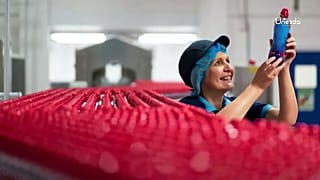
Our sector has a strong presence across Europe with over 500 manufacturing sites. This is where we produce more than 97% of our soft drinks in the region, from our globally recognised brands to the many beloved local beverages honoring the flavours and traditions of each country. We are proud to operate across Europe, generating €242bn in revenues and supporting over 1.8 million jobs across our supply chain. We are also proud to source more than 85% of the ingredients we use from European farmers, which reflects our strong partnerships with local stakeholders, from farmers to retailers.
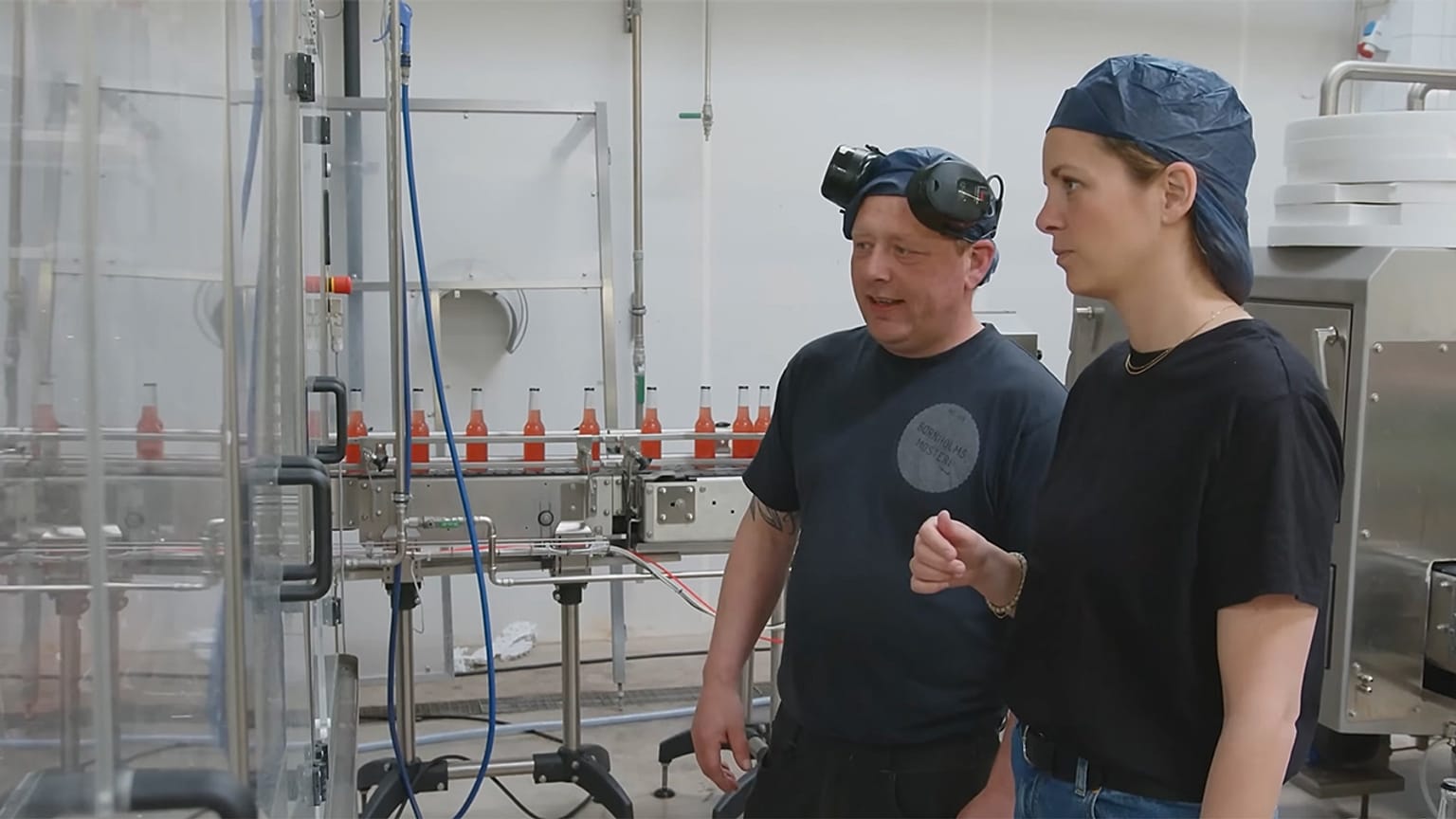
Our sector’s socio-economic impact comes from the rich diversity of our players. This diversity is brought to life not only by larger companies but also by a broad spectrum of local businesses like Bornholms Mosteri (Denmark), Roma (Norway), Sumol Compal (Portugal), Merlins Beverages (Romania), McCarter (Slovakia), Radenska (Slovenia) and Sanmy (Spain). These companies produce soft drinks that have been loved for generations and have become part of their country’s cultural heritage. They are powerful examples of how our sector is deeply rooted in Europe, driving employment and sustainable growth. Discover more in the short videos below.
Meet Bornholms Mosteri (Denmark)
Meet McCarter (Slovakia)
Meet Merlin’s Beverages (Romania)
Meet Radenska (Slovenia)
Meet Roma (Norway)
Meet Sanmy (Spain)
Meet Sumol Compal (Portugal)
2. The soft drinks sector is the most innovative in the food and drink industry
Our sector has been recognised as the most innovative sector in the food and drink industry, as reported by FoodDrinkEurope. This shows what we have always championed: that innovation is at the heart of everything we do.
We innovate to increase consumer choice, complementing our portfolio of classic beverages with a variety of options (eg sugar-free, low/no-calorie, functional soft drinks) to meet different needs and preferences. We also innovate to drive our sustainability efforts, including decarbonising, protecting water resources and making our packaging more sustainable.
3. The soft drinks sector takes ambitious actions that drive meaningful progress across Europe
As a proactive and responsible sector, we have long taken ambitious voluntary actions to support more balanced diets, ranging from reducing sugar and implementing stringent school policies to adopting a no-marketing-to-children policy. We have also played our part in driving environmental sustainability across our business.
3.1. Innovating for more consumer choice
Over the years, we have expanded our beverage portfolio from our traditional offerings, giving consumers the choice to enjoy our soft drinks according to their preferences and lifestyles. For example, through significant investments in reformulation, new product development and portion size optimisation, we have reduced the average sugar content in our beverages by 35.1% over the past two decades, and, to date, we remain the only EU food and drink sector to have responded to the European Commission’s 10% sugar reduction set out in its 2015 ‘Added Sugars Annex’.
3.2. Innovating for a more sustainable future
The soft drinks sector has been leading the way in advancing environmental sustainability in many ways, including driving decarbonisation throughout our supply chain, working with local stakeholders to protect water resources and improving the sustainability of our packaging. We have made great strides on this journey. Take packaging circularity for example: in 2024, 51.7% of the PET used in our plastic bottles was recycled PET (rPET), meaning that our sector has already exceeded the EU’s mandatory recycled content targets and our own ambitious 2025 target of 50% rPET.
These key facts underline why the soft drinks sector matters to Europe and why a supportive regulatory framework is fundamental to helping our sector continue to grow, innovate and thrive. After all, making Europe stronger and more competitive depends on it.
3 key policy enablers for a more competitive and innovative soft drinks sector
1. Policies that keep our sector ahead
The crucial role the soft drinks sector plays in the European economy and society shows why it is essential that our sector remains competitive. This is possible with simple, clear and evidence-based policies that promote fairness across the food supply chain to ensure there is no discrimination against any specific food, drink, or ingredient.
2. Policies that unlock our sector’s innovation potential
The European soft drinks sector is committed to continuing its investment in innovation but this depends on having a regulatory environment that supports it. Unfortunately, some existing provisions stifle innovation. A key example is the 30% energy reduction rule under EU law, which only allows manufacturers to add a low or no-calorie sweetener to foods and drinks if the energy value has been reduced at least by 30%. This requirement, which exists nowhere else in the world and has no technical or scientific justification, is a significant barrier to sugar reduction and should be removed as part of the EU’s regulatory simplification efforts. It is inconsistent with public health goals to reduce sugar consumption, limiting our ability to offer more sugar-free and low/no-calorie beverages.
Europe can therefore help advance our sector’s reformulation efforts by supporting the use of no/low-calorie sweeteners as a key tool of sugar reduction, based on sound scientific evidence, and by fostering consumer confidence in these ingredients, in line with the European Food Safety Authority (EFSA)’s safety assessments.
3. Making the EU Circular Economy Act deliver real circularity
Our sector is committed to making further progress in packaging circularity and we see the upcoming EU Circular Economy Act as a key opportunity to provide the right enablers. In particular, this Act can help accelerate our sector’s decarbonisation and circularity actions by fostering a stable market for secondary recycled materials to ensure sufficient recycled PET is available at a competitive price.
For more information about the European soft drinks sector’s actions: www.unesda.eu