














At the World Economic Forum Annual Meeting in Davos, Morocco stepped forward with a clear message: in an era of fractured trade routes and shifting global supply chains, the Kingdom is positioning itself as a stable, competitive platform linking Europe, Africa and beyond.
 ADVERTISEMENT
ADVERTISEMENT
ADVERTISEMENT
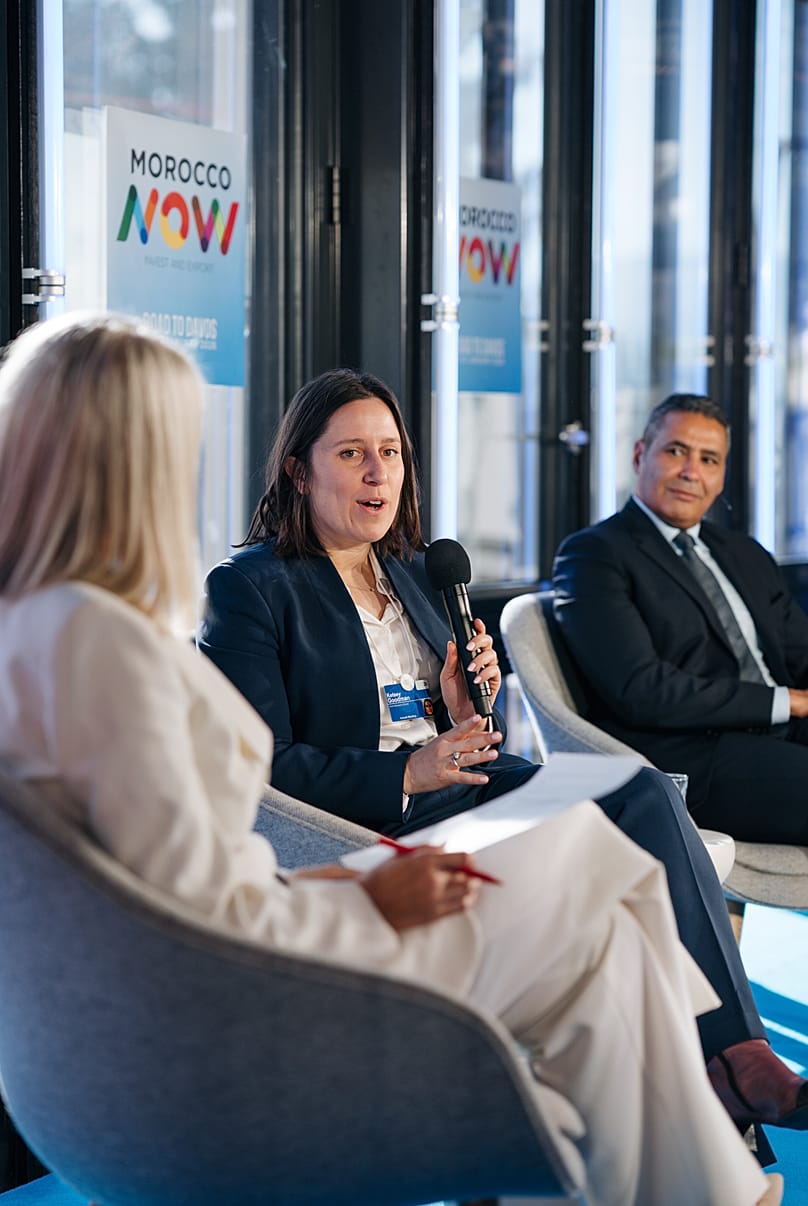
An “Invest in Morocco” session, organised by the Moroccan Agency for Investment and Export Development (AMDIE) and moderated by Euronews, highlighted the country’s ambitions to accelerate investment, scale innovation and plug into new global value chains.
Under the theme “Invest in Morocco: Driving Innovation and Global Competitiveness,” the high-level gathering brought together public and private sector voices around Morocco’s evolving role as a trusted hub for industry, trade and technology, connected to Europe, anchored in Africa, and open to the world.
A 25-year transformation
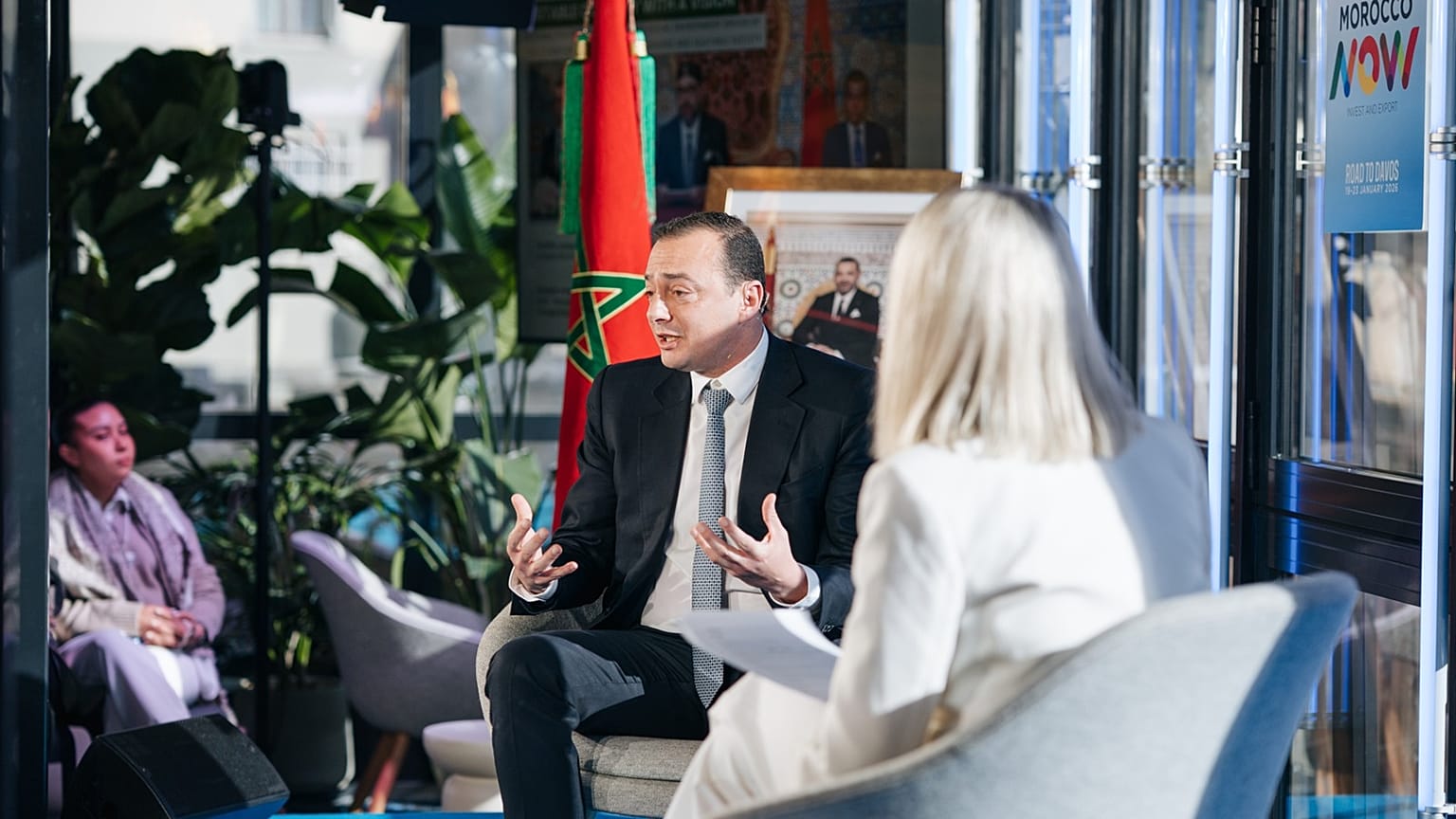
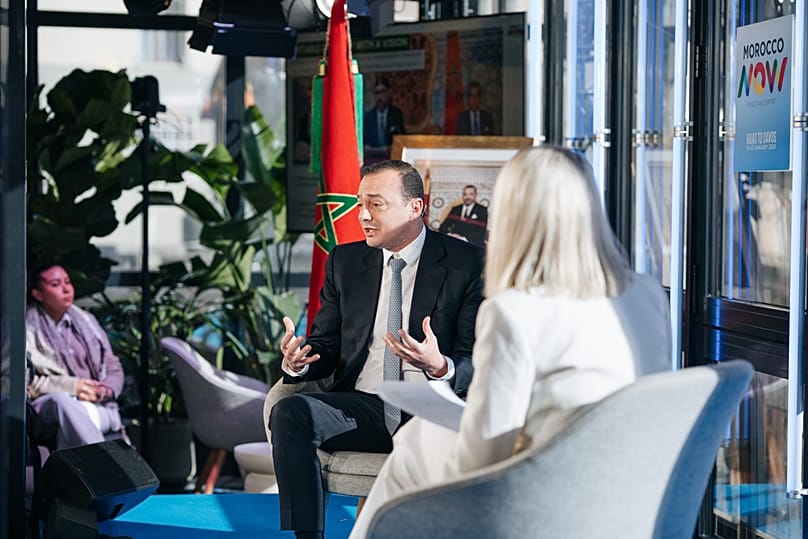
The session opened with remarks from Ali Seddiki, Director General of AMDIE, who framed Morocco’s progress over the past two and a half decades as a decisive structural shift.
“It is important for investors to understand that Morocco has been completely transformed,” he told the audience, describing a development journey built on both long-term planning and delivery on the ground.
Seddiki pointed to the scale of change since the late 1990s, recalling that in 1999 only half the country had access to electricity. Today, he said, Morocco ranks among the region’s leaders in infrastructure quality, a transformation he described as the product of a royal vision combined with execution.
He also underlined the importance of engaging directly with international decision-makers on a stage like Davos. “Davos is always busy,” he noted, “but it’s also one of the best opportunities to connect, to share your value proposition.”
At the heart of that proposition, Seddiki argued, are the fundamentals investors look for in uncertain times: stability, predictability and openness. He highlighted Morocco’s free trade agreements with more than 90 countries, giving companies access to “more than 2.5 billion consumers.”
Demographics, he added, further strengthen the country’s competitiveness. “We have a young population, an average age of 29,” he said, calling it a “demographic dividend” at a time when many economies are ageing.
Sustainability and speed of execution
Morocco’s investment pitch in Davos also leaned heavily on the energy transition, and what officials describe as a growing “green advantage” for industrial production
Seddiki noted that renewables account for more than 40% of the country’s energy mix, arguing Morocco can offer conditions for net-zero industrial development at globally competitive costs. With abundant solar and wind potential, he said, Morocco is positioned to deliver some of the lowest-cost green electricity worldwide, an increasingly strategic factor amid global energy volatility. Beyond sustainability, Morocco also sought to distinguish itself through execution speed.
Referring to the Stellantis industrial project, Seddiki said the country demonstrated its capacity to move rapidly from investment decision to delivery: “In two years, what was an empty field was turned into a world-class industrial zone.”
In a period where major industrial projects are often slowed by administrative constraints elsewhere, he argued Morocco’s ability to act quickly has become a central differentiator.
Panel discussion: strengthening long-term partnerships for sustainable growth
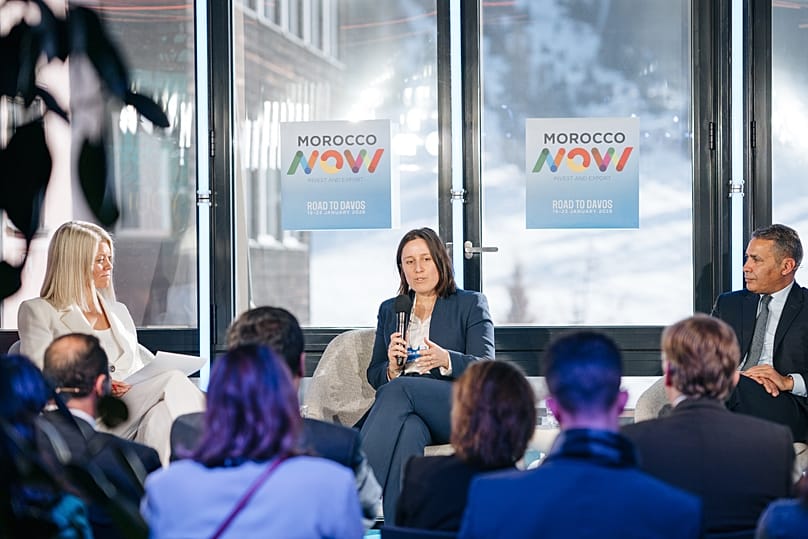
The second part of the session shifted to a panel discussion titled “Strengthening Long-Term Partnerships for Sustainable Growth,” focusing on Morocco’s value proposition for investors seeking resilient, future-oriented supply chains.
Kelsey Goodman, Head of Middle East and North Africa at the World Economic Forum, said Morocco’s strategic geography is gaining new value amid supply chain disruptions. Positioned between Africa and Europe and at the gateway to the Atlantic, she noted Morocco stands out as nearshoring becomes a growing priority for manufacturers seeking proximity and reliability.
From an investor advisory perspective, Mohamed Mabrouk, Partner at Ernst & Young, highlighted reforms introduced over the past decade to strengthen Morocco’s business environment and attract both domestic and foreign capital.
He pointed to the country’s investment charter and related incentives, including support mechanisms that can cover up to 30% of eligible projects’ capital expenditure. Mabrouk also cited industrial acceleration zones, which offer fiscal advantages, simplified customs procedures and high-quality infrastructure. He added that Morocco’s innovation landscape is often underestimated internationally, arguing the country has developed a strong startup ecosystem supported by competitive talent and globally relevant innovation.
A clear message from Davos
Across the session, the message was consistent: Morocco is presenting itself as a stable, connected and increasingly innovation-driven economy, one that wants to be part of the solution as global trade patterns are rewritten.
In Davos, Morocco’s pitch was not just about location, it was about readiness: the ability to deliver, to compete and to partner at scale. For investors looking for speed, resilience and a gateway to multiple markets, Morocco wants to be the platform that turns ambition into execution.