














Modern ski resorts, competitive prices and a growing calendar of international competitions are putting Azerbaijan’s mountains on the winter tourism map.
 ADVERTISEMENT
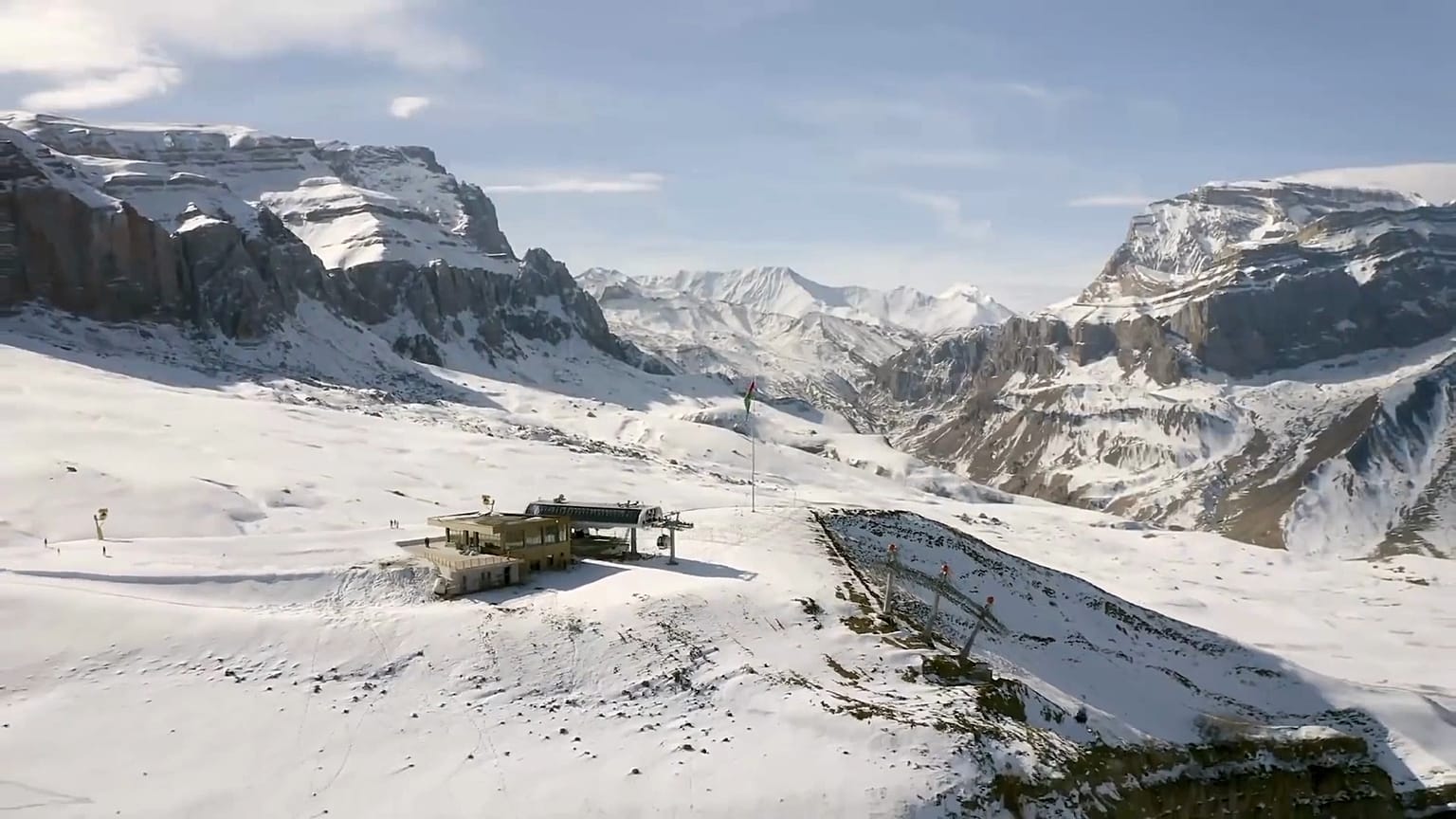
Baku is the lowest-lying capital city in the world. Yet a few hours’ drive from its Caspian Sea waterfront, the Greater Caucasus mountains offer a very different landscape, with modern ski resorts set among the peaks. “Very few people know that Azerbaijan actually has mountains,” says Florian Sengstschmid, CEO of the Azerbaijan Tourism Board. “This is where the conversation starts.”
At the London Snow Show, where Azerbaijan exhibited for the first time, Sengstschmid says visitors were repeatedly surprised to discover the country had mountains. The challenge now is to turn that surprise into interest in what Azerbaijan offers in winter, both on and off the slopes.
A compact country with a wide range of experiences
Azerbaijan’s geography allows visitors to experience strikingly different landscapes within a relatively short journey. Sengstschmid describes it as “a compact and remarkably diverse country where Europe meets Asia”, with terrain ranging from high mountain peaks to subtropical landscapes.
“You can ski in the morning and have lunch in Baku,” Sengstschmid says. “You crisscross the country from subtropics to the high mountain peaks within a few hours’ driving.”
A winter trip can also take in a traditional hammam, a spa visit or dinner in a mountain village, where fresh-caught trout features on the menu. Khinalig, close to Shahdag, is one such village. Further afield, visitors can explore UNESCO World Heritage sites such as the Walled City of Baku, the Gobustan rock art landscape and the historic centre of Shaki, as well as natural fire temples, ice caves and waterfalls. Wine and food routes offer another way to discover the country, alongside its Silk Road heritage.
Modern resorts at competitive prices
Two of Azerbaijan’s resorts, Shahdag and Tufandag have invested in modern ski infrastructure, including Austrian technology. Sengstschmid, himself Austrian, says he is proud to see it in place. Snowmaking at both resorts uses less water than it once did, while accommodation ranges from guesthouses to five-star hotels. Sengstschmid also highlights the après-ski scene as another attraction.
“It is exciting to see what technology can do,” Sengstschmid says, “but it’s also our responsibility to ensure future generations can enjoy the mountains as much as we have.”
Price is another draw. A day’s ski pass costs around £25, a two-hour private lesson £50, a beer £3 and lunch £10. For British and European skiers facing rising costs in the Alps, those numbers stand out.
Sandra Spitz, Sports and Events Director at the International Ski and Snowboard Federation (FIS), has visited Shahdag herself. She describes the skiing as “very nice, smooth”, with “really space on the slopes”. She also praises the resort’s setting and its appeal to families, describing it as “not too expensive” and “incredible, beautiful”.
For Sengstschmid, one of the biggest advantages is the space on the slopes. “You have no crowds, you have no queues, and you just enjoy the sound of the snow.”
Building a winter sports culture
Azerbaijan has been affiliated with FIS since the 1990s. Its more recent five-year partnership with the organisation goes beyond hosting competitions, focusing on developing local talent, training coaches and creating pathways into professional winter sports.
Skiing and snowboarding are still relatively new sports in Azerbaijan. Sengstschmid wants young people to see a future in them, whether as athletes, coaches or in other roles across the industry.
This season, Azerbaijan hosts the FIS Alpine European Cup in February, followed by the FIS Freestyle World Cup finals from 5 to 7 March. The country has also built national teams in ski mountaineering with the International Ski Mountaineering Federation (ISMF), a discipline that made its Olympic debut at Milano Cortina earlier this year.
For FIS, the opportunity lies in bringing more people into the sport. “Azerbaijan is very important for us,” Spitz says. “It’s an emerging market in skiing and snowboarding, and this is the playground where we can actually get new skiers loving skiing and snowboarding.”
Shahdag also provides equipment free of charge to children in its clubs, a model Spitz holds up as an example of how resorts can encourage participation.
Azerbaijan already has experience hosting international sporting events. Baku marked ten years of Formula 1 in September, and Sengstschmid says F1 “put Baku and Azerbaijan on the map of sports”. The FIS partnership aims to do the same for winter sports.
A destination beyond the ski season
Summer accounts for around half of the resorts’ visitors, according to Sengstschmid. Hiking, trail running, multi-day treks, birdwatching in Shahdag National Park, horse riding and mountain coasters attract visitors during the warmer months. A longer season can also help resorts maintain employment and support businesses in nearby communities beyond winter.
Sengstschmid makes a wider case for visiting lesser-known places. He points to figures suggesting that 80% of travellers visit just 10% of destinations, arguing that the Caucasus could help spread tourism beyond the busiest hotspots.
Spitz says she would not have known four years ago that you could ski in Azerbaijan. “But now I know it,” she says, “and every single destination is worth a visit.”
For Sengstschmid, Azerbaijan’s appeal extends well beyond the ski season. Wine, food, industrial heritage and the Silk Road offer reasons to explore the country beyond its mountains. But for visitors discovering Azerbaijan for the first time, the slopes may be the starting point.